
Many people feel a little uneasy when the house is quiet or a relationship ends. For some, though, the fear of being alone runs deeper. It might mean dreading nights on your own, filling every moment with plans or staying in a relationship you are not happy in because being single feels too scary. If that sounds familiar, you are not alone, and there are ways to feel steadier on your own.
This post is general information, not medical advice or a diagnosis.
What the fear of being alone is
The fear of being alone is about fear, not just loneliness. Loneliness is the feeling of missing connection. Fear of being alone is the worry, dread or even panic about being by yourself, now or in the future.
It often shows up in two main ways:
Fear of being physically alone. Feeling scared or on edge when you are home alone, especially at night.
Fear of being without a partner. Worrying you will be "alone forever," or feeling panicked at the thought of being single.
Some people feel one of these, and some feel both.
Feeling anxious now and then is a normal part of life. The U.S. National Institute of Mental Health notes that anxiety disorders involve more than occasional worry or fear, and that the anxiety can stick around, show up in many situations and get in the way of daily life (see Sources). The fear of being alone becomes more of a problem when it starts to drive your choices.
What about "autophobia"?
You may have seen the words "autophobia" or "monophobia" online. These are popular labels for a strong fear of being alone. They are not something you can diagnose from an article, and this post won't try to. Only a qualified professional can assess anxiety. What matters most is how the fear affects your life and what might help.
Signs the fear of being alone is affecting you
Some signs to notice:
You avoid being home alone, or feel tense until someone else arrives
Nights on your own feel especially hard
You fill every free moment with plans, calls or screens
You feel panicked at the thought of a breakup
You move quickly from one relationship to the next
You stay in a relationship you are unhappy in because being single feels worse
You check in with others often for reassurance
Fear of being alone at home and at night
Being home alone, especially after dark, can make the mind go to worst-case thoughts. Small sounds feel louder. Quiet can feel heavy.
Some common approaches that many people find helpful:
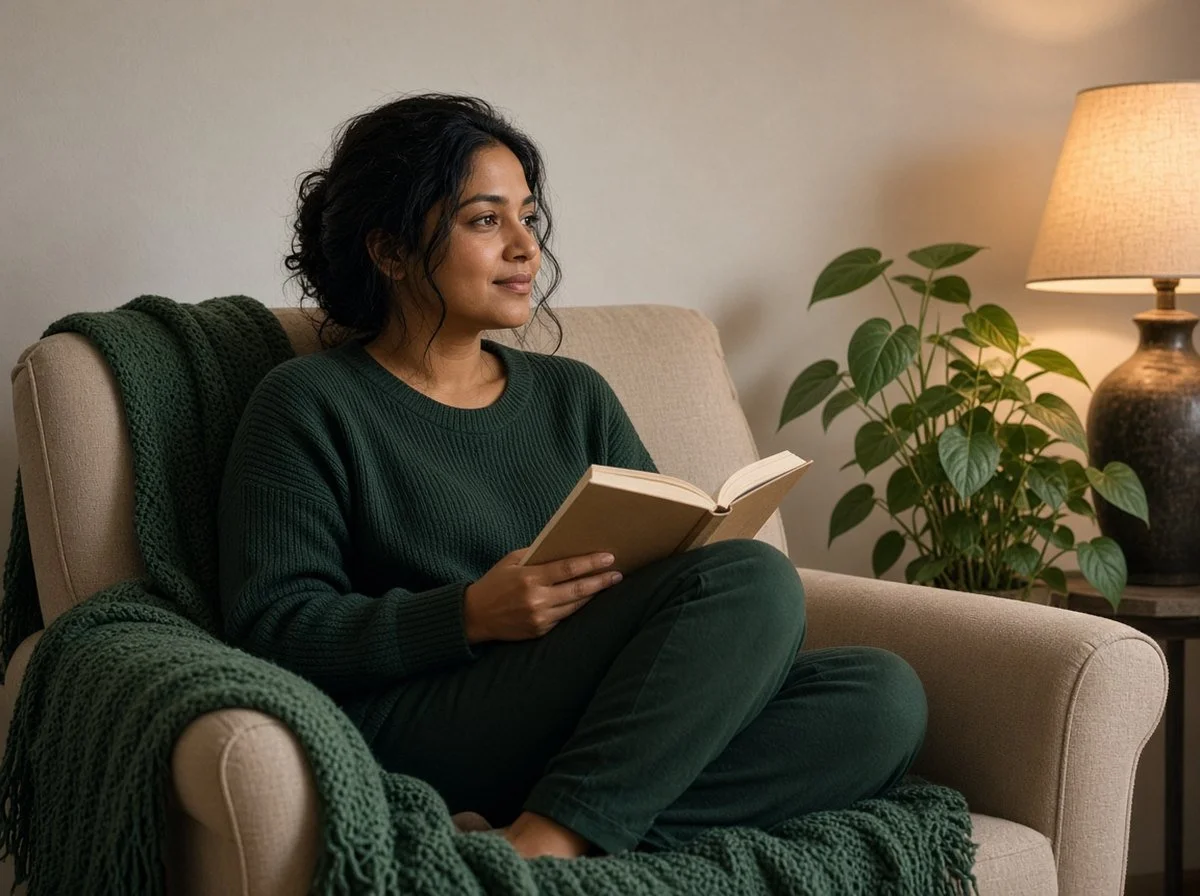
Build a calming evening routine. A predictable wind-down, like a shower, a familiar show or reading, can tell your body it is safe.
Use grounding. Notice five things you can see, four you can hear and three you can feel. Slow breathing can help too.
Fill the quiet gently. Soft music, a podcast or a lamp left on can make the space feel less empty.
Practise in small steps. Anxiety often eases when we face what we fear gradually, rather than avoiding it. Start with short, planned time alone and build up.
Fear of being single and "alone forever"
For many people, the bigger fear is ending up without a partner. Researchers at the University of Toronto studied this. Across several studies, Spielmann and colleagues found that people with a stronger fear of being single were more likely to "settle for less." They were more likely to stay dependent on unsatisfying relationships, less likely to end them and more romantically interested in less responsive dating partners (see Sources).
This research doesn't mean wanting a partner is wrong. Wanting love is human. But it shows how fear can quietly shape the choices we make, sometimes in ways that don't serve us.
Fear of being alone after a breakup
After a breakup, being alone can feel raw. Your routines change, the house may be quieter and you may miss the person, even if the relationship wasn't right. Fear can push you to text an ex, jump into something new or avoid time alone altogether.
It can help to give yourself time, lean on friends and family and let the hard feelings come and go without acting on every urge right away.
Where the fear can come from
There is no single cause. Some common roots:
Past loss. Losing a parent, partner or close friend can make being alone feel unsafe.
Attachment patterns. Early relationships can shape how safe we feel when others are not around.
Big life changes. A move, a breakup, kids leaving home or the death of a spouse can all bring the fear to the surface.
Anxiety more broadly. For some people, fear of being alone is one part of a wider pattern of worry.
How it compares with fear of abandonment and separation anxiety
The fear of being alone overlaps with some related experiences:
Fear of abandonment is a fear that people you love will leave you. Our post on fear of abandonment explains it in more detail.
Separation anxiety in adults is strong distress about being apart from someone you are close to. Our post on separation anxiety in adults covers the signs.
The fear of being alone is broader. It can be about being by yourself, whether or not a specific person is involved.
Small steps to feel more comfortable on your own
Building comfort with being alone takes practice. Some ideas:
Start small. Plan short stretches of time alone, like a 20-minute walk or a coffee by yourself, and notice how it goes.
Find solo activities you enjoy. Cooking, a hobby, a class or a favourite place can make time alone feel like time for you.
Notice your thoughts. When the fear shows up, ask, "What am I telling myself right now?" and whether it is fully true.
Be kind to yourself. Fear is not a weakness. Our post on self-compassion has simple ways to start.
Stay connected without depending on one person. A few steady connections can make time alone feel safer.
Celebrate progress. Each time you stay with the discomfort a little longer, you are building confidence.
If you are thinking about suicide or hurting yourself, call or text 9-8-8 now. If you or someone else is in immediate danger, call 911.
How counselling can help
If the fear of being alone is shaping your choices, counselling can help. A therapist can help you understand where the fear comes from, work through past losses and build confidence being on your own. Cognitive behavioural therapy (CBT) for anxiety can help you notice anxious thoughts and practise facing fears at a pace that feels manageable.
We offer individual counselling for anxiety at our Kitchener-Waterloo, Cambridge and Ottawa offices and online across Ontario. Every clinician on our team is registered with their college. We cannot promise a particular outcome, but you do not have to face this fear alone.
Common questions about the fear of being alone
Is it normal to be afraid of being alone? Many people feel uneasy alone at times. It becomes more of a concern when the fear drives your choices or gets in the way of daily life.
What is the fear of being alone called? It is sometimes called autophobia or monophobia. These are popular labels, not something you can diagnose from an article.
Why am I scared of being alone at night? Quiet and darkness can make anxious thoughts louder. A calming routine, grounding and gradual practice can help.
How do I stop being afraid of being single? Notice how the fear shapes your choices, build a full life on your own terms and consider counselling if the fear feels stuck.
Is fear of being alone the same as loneliness? No. Loneliness is missing connection. Fear of being alone is worry or dread about being by yourself.
Cost, billing and your first step
Sessions with our therapists range from $130 to $200, depending on the clinician.
We accept Health Spending Accounts (HSAs).
We can direct bill many insurers. Coverage depends on your plan, so check with your insurer before you start.
Book a free 15-minute consultation with our admin team. Feeling safe on your own is possible.
If you're in crisis: if you or someone you love is in immediate danger, call 911. If you're thinking about suicide, call or text 9-8-8 any time, day or night.
Last reviewed: October 2026
Sources
Spielmann SS, MacDonald G, Maxwell JA, et al. "Settling for less out of fear of being single." Journal of Personality and Social Psychology. 2013;105(6):1049-1073. https://pubmed.ncbi.nlm.nih.gov/24128187/
National Institute of Mental Health. "Anxiety disorders." https://www.nimh.nih.gov/health/topics/anxiety-disorders