
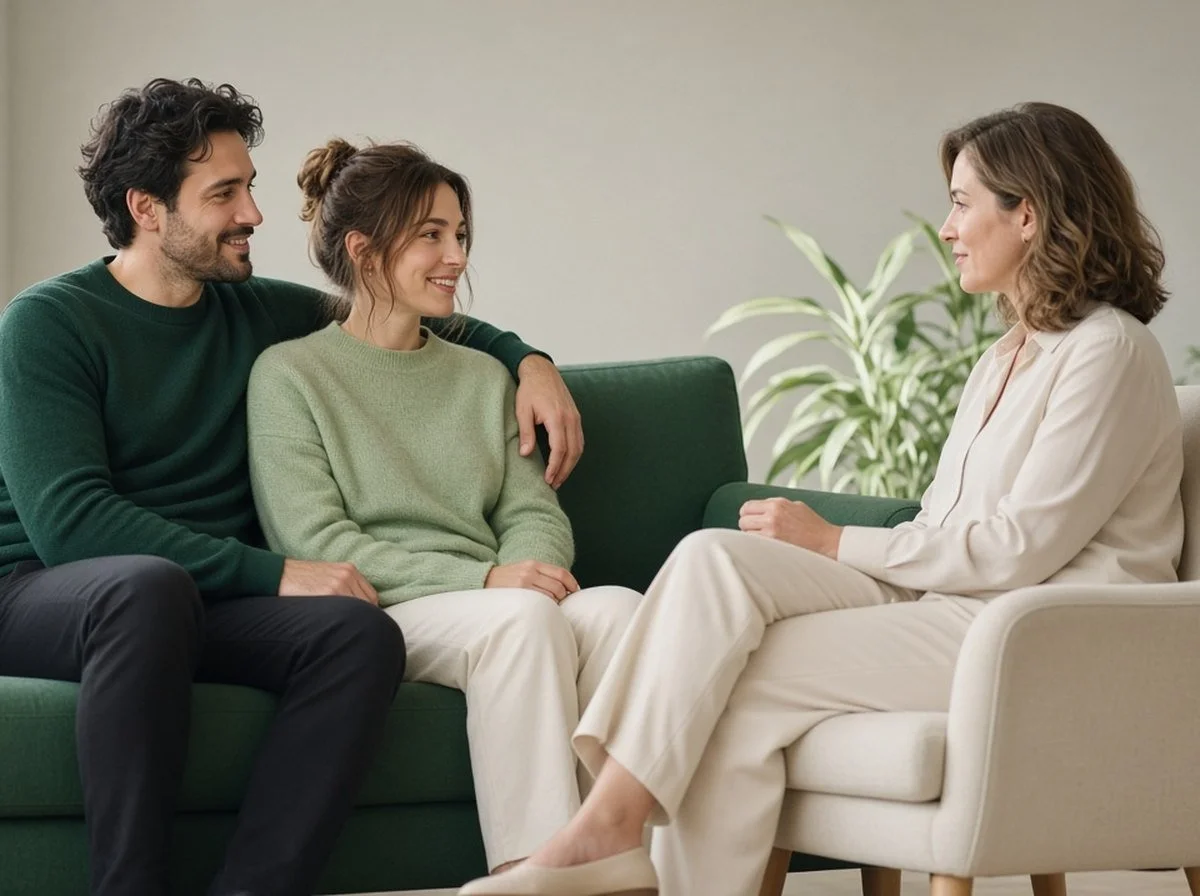
If you have started looking into couples therapy, you have probably seen the words "Gottman Method" more than once. It is one of the best known approaches to couples therapy in the world. But what is the Gottman Method, exactly, and what would it look like for the two of you? This article explains where it comes from, the main ideas behind it and what to expect if you work with a Gottman-trained therapist.
You don't need to be in crisis to use it. Many couples come in simply because they want to feel closer, fight less or get back on the same team.
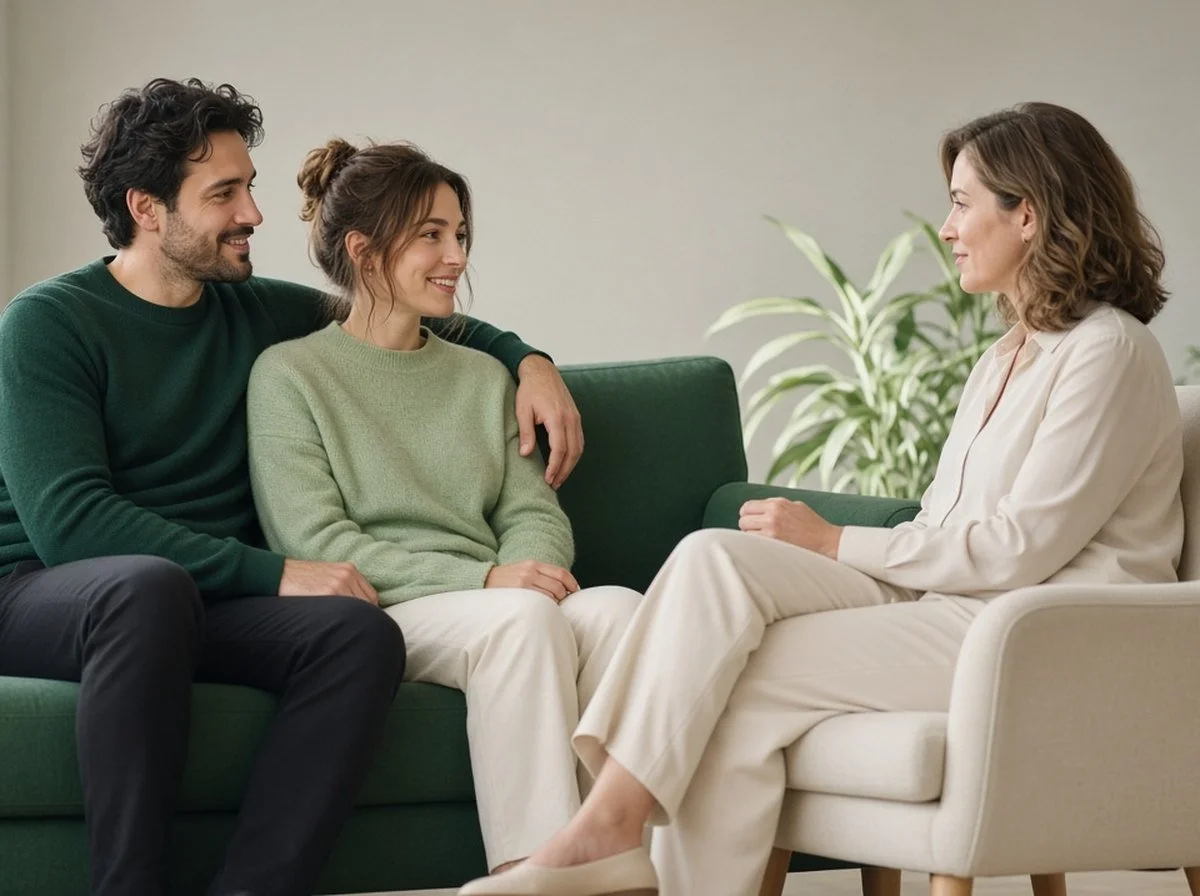
Where the Gottman Method comes from
The Gottman Method was developed by psychologists Dr. John Gottman and Dr. Julie Schwartz Gottman. It grew out of decades of research on real couples. Researchers watched how couples talked, argued and made up, and then followed them over many years to see which relationships lasted and which did not.
From that research, the Gottmans found patterns that helped predict whether couples stayed happy. They turned what they learned into a practical approach that therapists could use. The goal is simple: help couples build more friendship, handle conflict with more care and create a shared sense of meaning.
The main idea, the Sound Relationship House
At the heart of the Gottman Method is a model called the Sound Relationship House. Think of it as a house with seven floors, held up by two walls. Each floor is a skill or habit that strong couples tend to share.
The floors are:
Build love maps. Know your partner's inner world, like their worries, hopes and daily stresses.
Share fondness and admiration. Notice and say what you appreciate about each other.
Turn toward instead of away. Respond to your partner's small bids for attention and connection.
The positive perspective. Give each other the benefit of the doubt.
Manage conflict. Handle disagreements in ways that don't wound each other.
Make life dreams come true. Support each other's goals and deeper wishes.
Create shared meaning. Build rituals, values and a sense of "us."
The two walls are trust and commitment. Without them, the house can't stand.
In therapy, you and your therapist look at which floors feel solid and which need work.
What happens in Gottman couples therapy
Most Gottman-trained therapists begin with an assessment. This helps them understand your relationship before jumping into advice. It may include:
A joint session where you talk about your history and what brought you in
A short time with each partner alone
An online questionnaire called the Gottman Relationship Checkup, which you each fill out privately
A feedback session where your therapist shares what they learned and suggests a plan
At Transformation Counselling, our Gottman-trained therapists use the Gottman Relationship Checkup to guide this process. Our couples therapists also follow a no-secrets policy, which your therapist will explain at the start.
What sessions look like after the assessment
Once you have a plan, sessions become more hands-on. Your therapist may ask you to talk to each other, rather than to them, about a real issue. They will gently coach you as you go.
You might practise things like:
Starting hard talks gently. Using "I feel" and "I need" instead of blame.
Repair attempts. Small words or gestures that calm things down during a fight.
Taking breaks. Noticing when your body is too flooded to talk, and pausing to calm down.
Understanding the dream behind a conflict. Finding the deeper value or wish under a fight that keeps coming back.
Rituals of connection. Daily habits, like a real hello and goodbye or a check-in after work.
You may also be given small exercises to try at home between sessions.
Solvable problems and ongoing differences
One helpful idea from the Gottman Method is that not every problem needs to be solved. Some issues have a clear fix, like who drives the kids on Tuesdays. Others come from lasting differences in personality or values, like how tidy you each like the house or how you feel about spending money.
For those ongoing differences, the goal is not to win. It is to understand each other and talk about the issue without it turning ugly every time. Many couples find this a relief.
Three Gottman ideas you can try this week
You don't have to wait for therapy to start using some of these ideas. Here are three small habits many couples find helpful.
Ask one real question a day. Go beyond "How was your day?" Try "What was the hardest part of today?" or "What are you looking forward to this week?" This builds your love maps.
Notice bids. A bid is any small reach for connection, like a sigh, a comment about the news or a hand on your shoulder. When you catch one, turn toward it. Look up, answer or smile.
Say thank you out loud. Pick one thing your partner did today, even something small, and thank them for it. Fondness grows when it is spoken.
These habits won't fix deep problems on their own. But they can soften the mood at home and make harder conversations easier.
Questions to ask a Gottman-trained therapist
Before you start, it is fair to ask a few questions, such as:
What Gottman training have you completed?
What does your assessment process include?
How do you blend the Gottman Method with other approaches?
What happens if one of us wants to stop?
Who the Gottman Method can help
The Gottman Method can help couples who are:
Arguing often, or having the same fight over and over
Feeling distant, like roommates instead of partners
Going through a big change, like a new baby, a move or retirement
Recovering from a breach of trust
Engaged or newly married and wanting a strong start
Doing fairly well but wanting to feel closer
It works for couples of all ages, backgrounds and orientations, whether married or not.
When couples therapy may not be the right fit
Couples therapy is not safe or helpful in every situation. If there is violence, threats or fear of your partner, individual support and a safety plan come first. Your therapist will ask about this during the assessment.
How the Gottman Method compares to other approaches
The Gottman Method is not the only approach to couples therapy. Another well-known one is emotionally focused therapy (EFT), which focuses on the emotional bond and the cycles couples get stuck in. Some therapists draw on both. Learn more about emotionally focused couple therapy.
About our Gottman training
Our Gottman-trained therapists have completed Gottman Method Couples Therapy Level 1 and Level 2 training. This means they have studied the Gottman approach and use its tools in their work with couples. Learn more about our couples therapy and marriage counselling.
We see couples in Waterloo, Kitchener, Cambridge and Ottawa, and online anywhere in Ontario. You don't need a doctor's referral, and evening and weekend times are available.
Frequently asked questions
Is the Gottman Method right for us?
It suits many couples, but not every couple. A free consultation is a good place to ask questions and find the best fit.
Do we both have to attend?
Gottman couples therapy works best with both partners. If your partner isn't ready, you can start individual counselling on your own.
How long does Gottman therapy take?
It depends on your goals and what you are working on. Your therapist will check in with you about progress along the way.
Can the Gottman Method be done online?
Yes. We offer couples therapy online anywhere in Ontario, including the Gottman Relationship Checkup, which is completed online.
Start building a stronger relationship
Small changes, practised often, can make a big difference in how you feel together. Book a free 15-minute consultation with our care team to talk about what you are looking for, or book an appointment to get started.