

Maybe your child's teacher has mentioned it. Maybe you have noticed that your child struggles with changes, friendships or loud places in ways other kids don't. Or maybe you have wondered about it for years. Looking into an autism assessment for your child can bring up hope, worry and a lot of questions. This guide walks Ontario parents through the signs, who can diagnose autism, what happens during an assessment and what comes after.
Whatever the outcome, an assessment is about understanding your child better. It is not about putting a label on them.

Signs that may lead parents to seek an autism assessment
Autism is a difference in how the brain develops. It affects how a person talks, connects with others and takes in the world. Every autistic child is different, and signs can look very different from one child to the next.
In school-aged children and teens, parents and teachers often notice things like:
Finding it hard to make or keep friends, or preferring to play alone
Taking words very literally or missing jokes and sarcasm
Strong, deep interests in specific topics
Getting very upset by changes in routine or plans
Being bothered by sounds, textures, lights or smells
Repeated movements, like rocking, flapping or pacing
Big meltdowns or shutdowns after school, even when they seemed fine all day
Some children, especially girls, learn to hide or "mask" their differences. They may copy other kids and hold it together at school, then fall apart at home. Because of this, autism can be missed until later childhood or the teen years.
Common worries parents have
It is normal to feel torn about an assessment. Parents often tell us they worry about a few things.
"What if a label holds my child back?" A diagnosis does not change who your child is. It helps the adults around them understand how they think and learn, so they can support them better.
"What if I caused this?" You didn't. Autism is not caused by parenting.
"What if I am wrong and there is nothing going on?" Then you will have useful answers about your child's strengths and needs. That is never wasted.
"What if my child is upset by the process?" Assessors who work with kids are used to going slowly, taking breaks and making it feel more like games and chatting than a test.
Who can diagnose autism in Ontario?
In Ontario, a child can be diagnosed with autism by a qualified professional with specific training. According to the Ontario government, this includes:
Doctors, such as family doctors, pediatricians, developmental pediatricians and psychiatrists
Psychologists and psychological associates
Nurse practitioners
Ontario also funds five autism diagnostic hubs. Families can go the public route through a doctor or a hub, or the private route through a psychologist. Many families choose a private assessment so they can move forward sooner. It is worth asking each provider about timelines and costs.
What happens during a child autism assessment
A good autism assessment looks at the whole child. It gathers facts from different people and places, so the picture is as full as possible. At Transformation Counselling, our autism assessments for children and teens aged 6 and up are led by a psychologist, working with our assessment team.
An assessment often includes:
A parent interview
You will be asked about your child's development from birth, their early milestones, their health and how they are doing now at home and school. You know your child best, so this part matters a lot.
Time with your child
The psychologist spends time with your child, talking, playing or doing activities, depending on their age. Tools such as the ADOS-2 may be used. It uses play or conversation so the psychologist can see how your child talks and connects.
Questionnaires
Parents, and often teachers, fill out forms about how your child acts and handles daily tasks. Tools may include the SRS-2, which looks at social skills, and the ABAS-3, which looks at everyday living skills.
Looking at other explanations
Autism can look like other things, or show up with them. These include ADHD, anxiety, speech delays and learning differences. A careful assessment checks for these too.
How to help your child feel ready
Many children feel nervous about new places and people. A little preparation goes a long way.
Use simple words, like "We're going to meet someone who helps kids figure out how their brain works best."
Tell them what to expect, such as talking, games and puzzles
Make sure they are rested and have eaten
Bring comfort items, snacks or a fidget toy
Let the team know about any sensory needs ahead of time
Online options are also available for parts of the process, which some families find easier. We also offer autism assessments in French.
What happens after the assessment
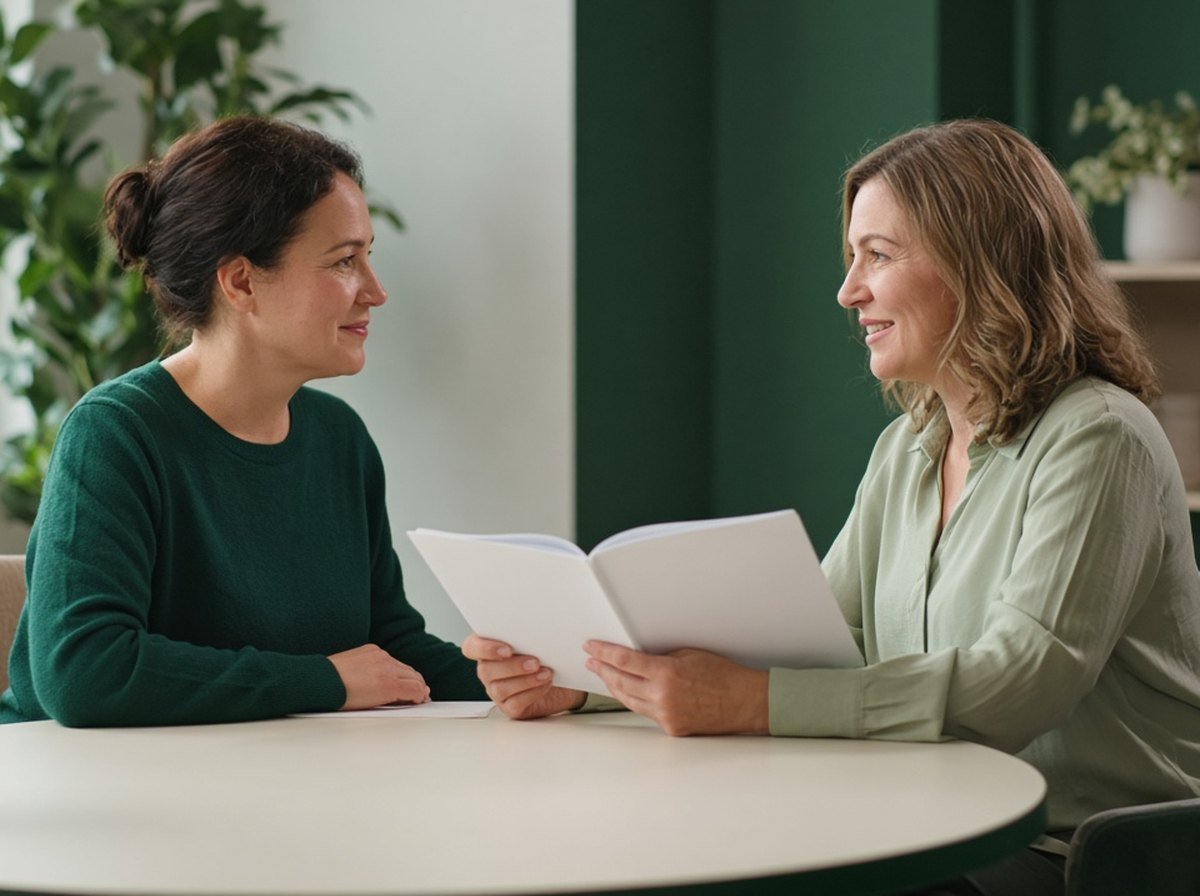
After the assessment, the psychologist will meet with you to go over the results. This is called a feedback session. You will hear whether your child meets the criteria for autism, what their strengths are and where they may need support.
You will also get a written report. It usually includes recommendations for home, school and further support.
Using a diagnosis to get support
A diagnosis can open doors to support. In Ontario, children and youth under 18 with a written autism diagnosis from a qualified professional can register for the Ontario Autism Program (OAP) through AccessOAP. The written diagnosis needs to include:
Your child's full name and date of birth
The date of the assessment
A statement that your child meets the criteria for autism spectrum disorder
The professional's name and credentials
A report can also help your child's school understand their needs and plan supports. Many families also find counselling helpful after a diagnosis, for the child and for parents. Learn more about our autism counselling.
If the answer is "not autism"
Sometimes an assessment shows that autism is not the best explanation. That is still useful information. The report may point toward something else, like anxiety, ADHD or a learning difference, and suggest next steps. If learning is a concern, a psychoeducational assessment may be a helpful next step.
Frequently asked questions
What age can my child be assessed for autism?
At Transformation Counselling, we assess children and teens aged 6 and up. For younger children, your family doctor or an Ontario diagnostic hub can help. We also offer adult autism assessments.
Do I need a referral?
No. You don't need a doctor's referral to book an assessment with us.
Is a private autism assessment covered by OHIP?
Assessments by a psychologist are not covered by OHIP. Some extended health plans cover part of the cost of psychological services. Check your plan. Assessment fees depend on the service, and your free consultation covers them.
Will my child have to miss school?
It depends on scheduling. We offer evening and weekend appointments, which can help. Ask about options when you book.
Should I tell my child about the results?
Most children benefit from knowing, in words that fit their age. Many feel relief when they learn there is a reason some things feel harder. The psychologist can help you plan how to talk about it.
What if my teen does not want to be assessed?
Talk with them about why you think it might help, and listen to their worries. Teens do better when they feel part of the decision. Our care team can answer their questions too.
Take the first step
If you have been wondering about autism for a while, you don't have to keep guessing. Book a free 15-minute consultation with our care team to ask questions about the assessment process. Children 6 and up are assessed at our Waterloo Region and Ottawa offices, with online options for parts of the process. You can also book an appointment to get started.