
St. Albert began as a mission on a hill above the Sturgeon River in 1861, which makes it older than the province itself. The river valley still organizes everything: the trail network follows it, the oldest buildings look down into it, and the newer neighbourhoods spread out from its banks. Edmonton now presses right up against the southern boundary, but St. Albert has kept a centre of its own. Here are date ideas across St. Albert for 2026.
A Gallery on Perron, a Mission Museum and the Arden
Art Gallery of St. Albert: The public gallery on Perron Street, showing contemporary and regional work in a space you can take in without fatigue. Free and rarely busy.
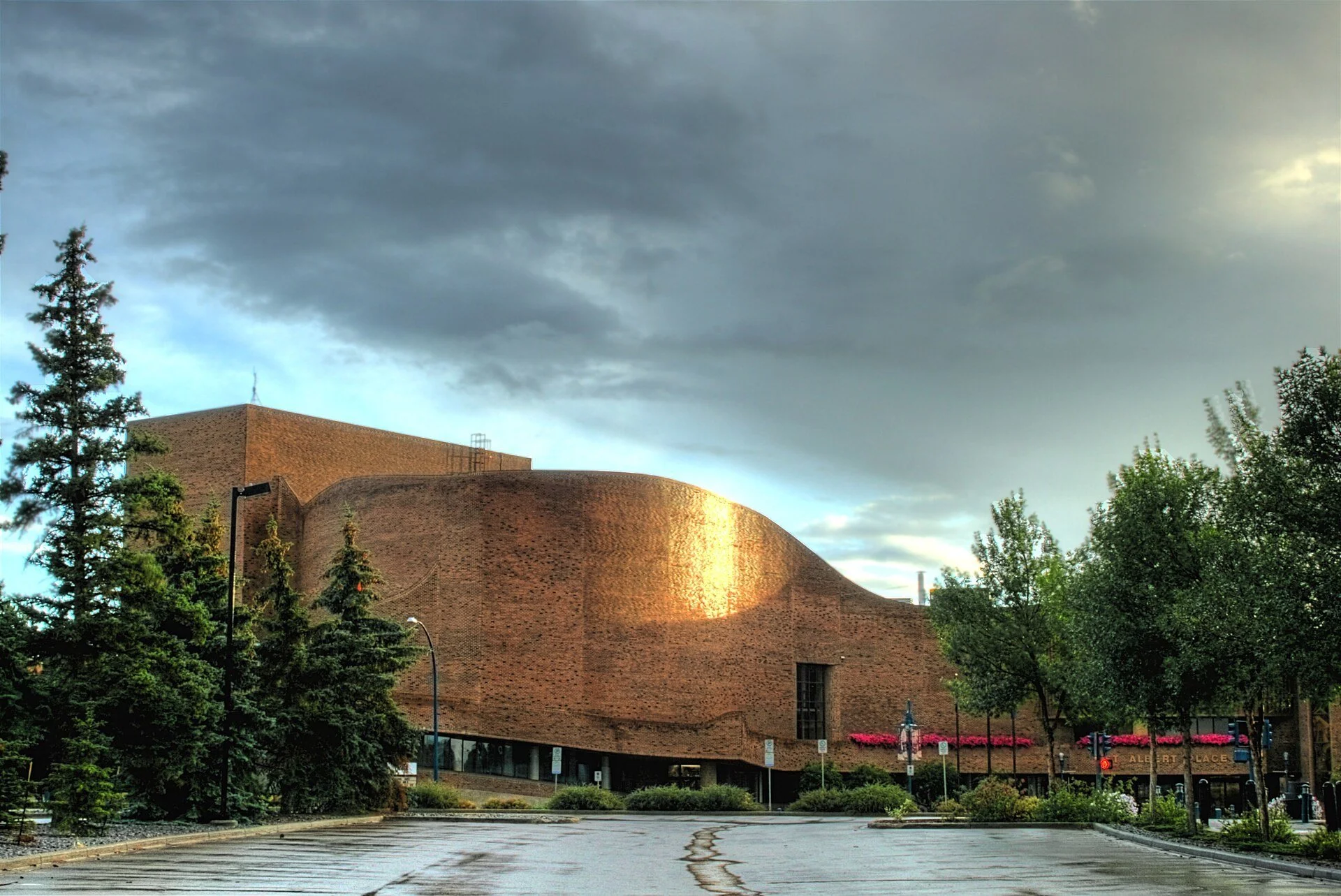
Musée Héritage Museum: Inside St. Albert Place, covering the mission years, the Métis settlement and the farming decades that followed. Small, well made and more affecting than its size suggests.
Arden Theatre: Also inside St. Albert Place, with a full season of music and theatre. One address carries a whole evening here, museum first and auditorium after.
The Sturgeon Valley and the Red Willow Network
Red Willow Trails: A paved trail system threading the river valley and linking most of the city, which means you can walk for hours without repeating yourself. Spring through autumn is the window.
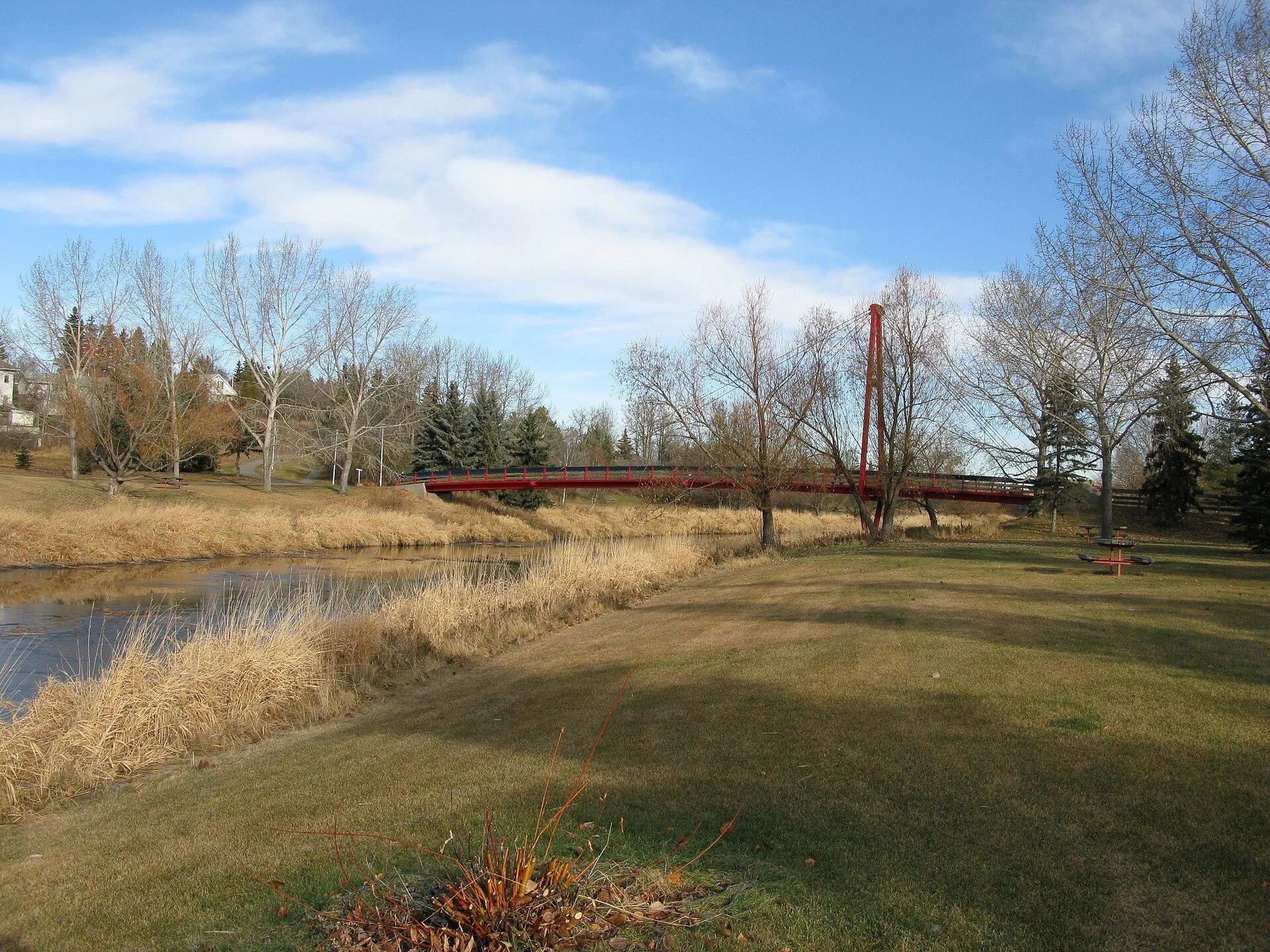
The Sturgeon River pathway: The riverside stretch specifically, where the valley is deepest and the city disappears behind the trees. Late summer and early autumn are the pick.
Mission Hill: The rise above the river where the original mission was built, and still the best view over the valley in the city. Spring, when the flats below green up first.
Bowling Lanes, Rink Time and the Edmonton Question
St. Albert Bowling and Rec Centre: Bowling in the city proper, which is exactly the right amount of ridiculous for a second or third date.
Servus Credit Union Place: The large recreation centre, with public skating through the winter. The dependable plan when it is minus thirty and the trails are out of the question.
What St. Albert does not have: There is no escape room, axe-throwing venue or paint-your-own pottery studio inside the city limits. All three exist a short drive south in Edmonton, so plan the playful half of a date across the line rather than hunting locally.
Perron District Coffee, Market Stalls and the Honest Evening
St. Albert Farmers' Market: An outdoor market with a genuine claim to being among the largest of its kind in Canada, and the single best reason to be in St. Albert on a summer morning. Treat it as the whole plan rather than a stop.
The Perron District: Downtown St. Albert's café and restaurant streets, anchored by St. Albert Place at one end. Walkable, low-key and the practical centre of any evening here.
Where to drink: The restaurant bars of the Perron District are where an evening actually lands here, so build it around a table rather than around a drinks list.
Lacombe Park and Braeside: Two established residential neighbourhoods either side of the valley, both threaded by trail and worth a wander when you want quiet rather than a destination.
Chapel Doors, Outdoor Ice and Rodeo Weekend
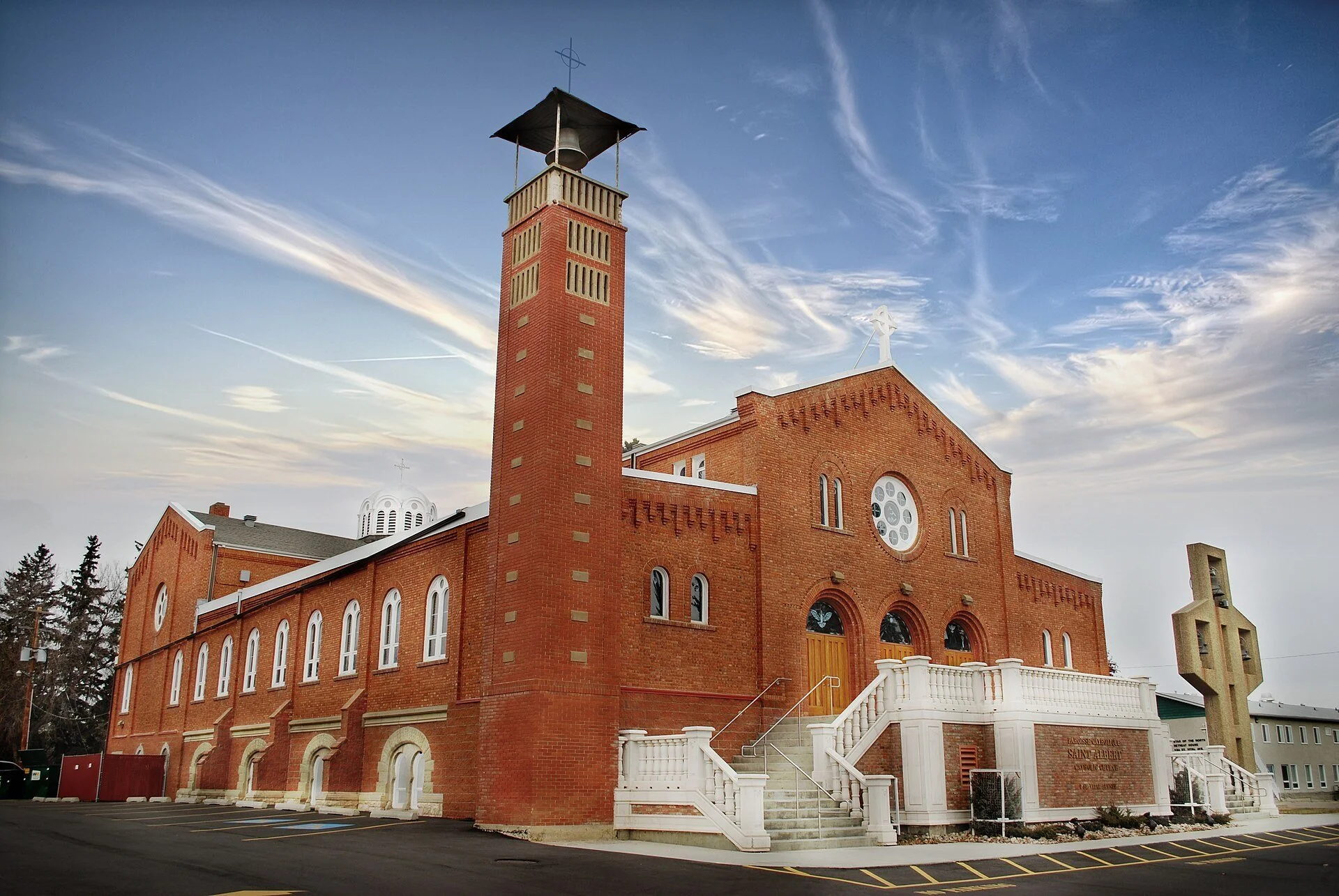
Father Lacombe Chapel Provincial Historic Site: The 1861 log chapel on the hill, generally held to be the oldest surviving building in Alberta, and open to visitors in season. Fifteen minutes inside it reframes the entire city.
Rinks in the residential streets: St. Albert floods outdoor ice through the winter and nobody there checks whether you can actually skate. Take a flask of something hot.
Rainmaker Rodeo: The long-running Kinsmen rodeo weekend, with a midway and live music attached. The busiest the city gets all year.
Sample Date Itineraries
1. The summer morning: The Farmers' Market as it opens → coffee in the Perron District → the Sturgeon River pathway once the crowds build.
2. The heritage version: Father Lacombe Chapel → the Musée Héritage Museum downstairs from the theatre → a show at the Arden.
3. The minus-twenty plan: Bowling at the St. Albert Bowling and Rec Centre → dinner in the Perron District → public skating at Servus Credit Union Place.
Pro Tips for Memorable Dates
St. Albert Trail is a road, not a neighbourhood, and it runs from St. Albert deep into Edmonton. Plenty of businesses with a St. Albert Trail address are in Edmonton, so check which city a listing is actually in before you drive.
The Farmers' Market is entirely outdoors and entirely seasonal, which makes it weather-dependent in a way an indoor market is not. Confirm the day and the dates before building a morning around it, and arrive early for parking.
The Musée Héritage Museum and the Arden Theatre share the same building at St. Albert Place, so a single parking spot covers a museum and a show. Look at the theatre listings before you set out.
Central Alberta catches chinooks far less reliably than the south of the province. A January warm break is a bonus here rather than something to schedule around.
St. Albert is frequently mistaken for a suburb by people who have never looked at what is actually inside it. A log chapel from 1861, a river valley with a trail network threaded the length of it and one of the country's biggest outdoor markets is not a commuter town's inventory. A summer Saturday spent properly here retires the Edmonton comparison for good.
Photo credits: St. Albert Place by WinterE229 WinterforceMedia, CC0 1.0, via Wikimedia Commons; Sturgeon River, St. Albert by Erik Lizee, Public domain, via Wikimedia Commons; St. Albert Parish, St. Albert, Alberta by Brian Holdsworth, CC0 1.0, via Wikimedia Commons.