
The music is too loud, the lights are too bright, and three people are talking at once. Suddenly you can't think. You want to cover your ears or leave right now. Sensory overload in adults is common, and it is not a sign that you are weak or dramatic. Your brain is simply taking in more than it can sort in that moment.
This post is general information, not medical advice or a diagnosis.
What sensory overload is
Sensory overload happens when your senses take in more than your brain can handle at once. Sounds, lights, smells, textures and crowds can pile up until you feel flooded.
Anyone can feel overloaded in a very loud or busy place. For some people, though, it happens more often and more strongly. Many autistic adults and adults with ADHD describe sensory overload as part of daily life. People with anxiety, and people who are very sensitive in general, often know the feeling too.
Sensory overload is not a diagnosis on its own. It is an experience. Noticing it can help you understand yourself better and plan for what you need.
Sensory overload symptoms
Signs can show up in your body, your mind and your behaviour. You might notice:
Feeling irritable, tense or on edge.
A strong urge to escape or cover your ears or eyes.
Trouble focusing, thinking or finding words.
A racing heart or fast breathing.
Feeling tearful, panicky or shut down.
Being extra sensitive to touch, tags or tight clothes.
Feeling exhausted after busy places.
Some people go quiet and withdraw. Others feel a burst of anger or distress. Both are common ways the body says "too much."
Common triggers
Triggers are different for everyone, but some come up often:
Sound. Loud music, many voices at once, sirens, chewing or a humming fridge.
Light. Bright overhead lights, flickering bulbs or glaring screens.
Crowds. Malls, grocery stores, concerts and busy events.
Touch. Scratchy fabrics, tight waistbands or unexpected hugs.
Smell. Perfume, cleaning products or strong food smells.
Too many tasks at once. Being asked questions while you are trying to do something else.
Tiredness, hunger and stress can lower your limit. A sound that is fine on a good day may feel unbearable on a hard one.
Sensory overload, autism and ADHD
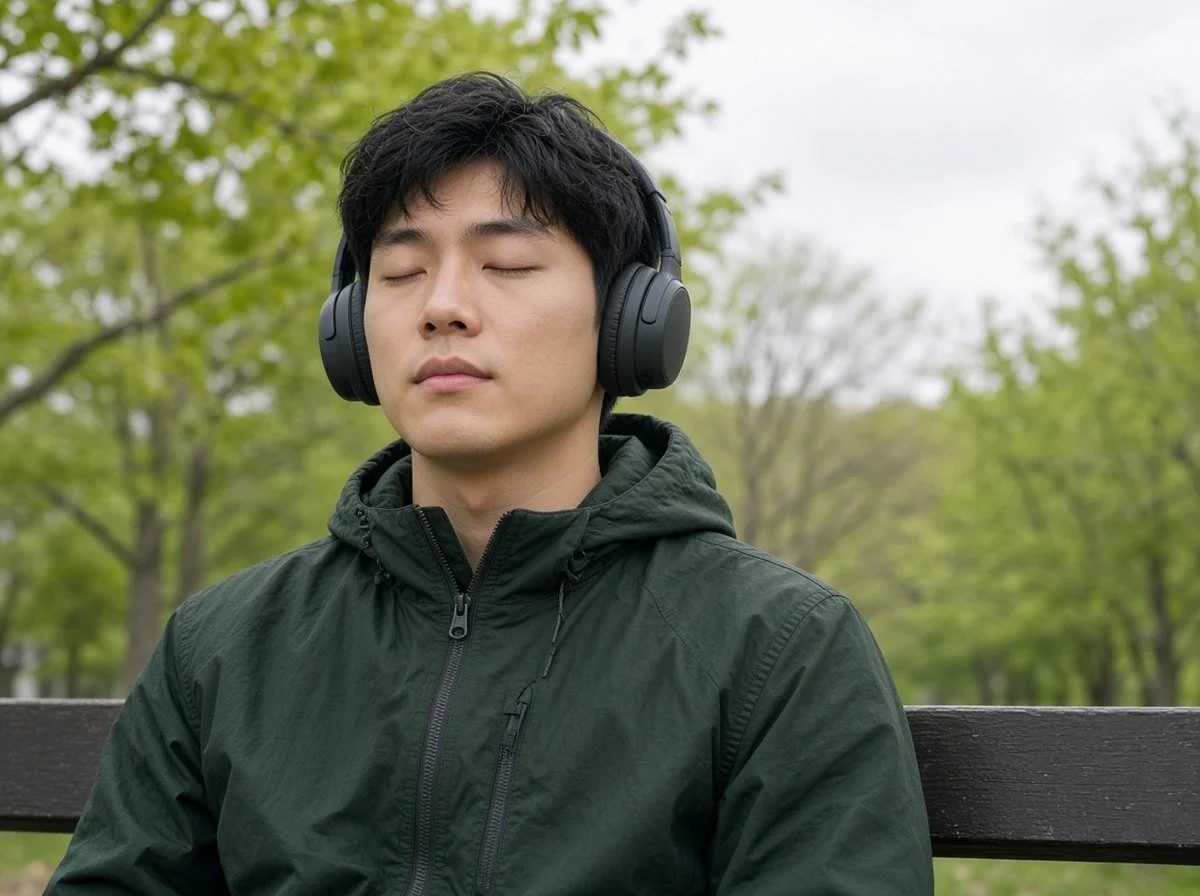
Differences in how people process sensory input are often discussed with autism. Many autistic adults describe some sounds, lights or textures as painful or overwhelming. Some wear headphones to cope. We explain more in our post on why autistic people wear headphones.
Sensory overload is also discussed with ADHD. A small pilot study by Adra and colleagues compared 25 adults with ADHD to 29 adults without it. Adults with ADHD scored higher on seeking out sensations and on noticing them less. Being overly sensitive to sensations was only a little higher, and that difference disappeared once the researchers accounted for anxiety. The authors called their findings early and said larger studies are needed.
When sensory overload builds to a breaking point, some autistic adults have a meltdown. Our post on autistic meltdowns in adults explains what that can look like.
Sensory overload and anxiety
Sensory overload and anxiety often go together. A busy room can make anxiety rise, and anxiety can make you more sensitive to noise and light.
A 2019 study by Amos and colleagues looked at adults in the general population. People with more autistic traits tended to have more anxiety. The model that fit their data best suggested this link worked partly through sensory over-responsivity and stress. The authors suggested that calmer, more "sensory neutral" spaces could help with anxiety and stress for people with higher autistic traits.
This research looked at patterns, not causes. Still, it points to something many people already feel: making your space calmer can make a real difference.
Sensory overload or high sensitivity?
Some people who feel overwhelmed by busy places relate to the idea of being a highly sensitive person. That is a personality trait, not a diagnosis. You might be highly sensitive, neurodivergent, anxious, or none of these. Exploring it with a professional can help you understand what fits you.
How to cope with sensory overload in the moment
When overload hits, the goal is to reduce input and help your body settle.
Step away. Go to a quieter room, a bathroom or outside, even for a few minutes.
Reduce one sense. Close your eyes, cover your ears or turn down the lights.
Breathe slowly. Let your out-breath be a bit longer than your in-breath.
Use pressure. Some people find a firm hug from themselves, or pressing hands together, calming.
Focus on one thing. Notice a single object, sound or texture you find soothing.
Use a script. Have a short phrase ready, like "I need a minute," so you don't have to find words.
Ways to reduce sensory overload day to day
You can also plan ahead so overload happens less often.
Know your triggers. Keep notes on when you feel overloaded. Patterns can help you plan.
Build in breaks. After busy events, give yourself quiet time to recover.
Shape your space. Softer lighting, a calm corner at home or fewer things on the walls can help.
Plan outings. Shop at quieter times, sit near exits, or leave events early if you need to.
Talk to people you trust. Let friends, family or coworkers know what helps. Many people are glad to adjust when they understand.
Honour your needs. Needing quiet is not a flaw. It is information about how your brain works.
If you are thinking about suicide or hurting yourself, call or text 9-8-8 now. If you or someone else is in immediate danger, call 911.
How counselling can help
Counselling can help you understand your sensory needs without judgment. A counsellor can help you spot triggers, build coping plans and handle the anxiety or shame that sometimes comes with feeling "too sensitive."
A neurodivergent-affirming approach sees different ways of sensing and thinking as differences, not defects. The goal is not to change who you are. It is to help you live more comfortably as yourself.
Some adults also want to explore whether they may be autistic. Transformation Counselling offers adult autism assessments, as well as counselling. You can see us in person in Kitchener-Waterloo, Cambridge and Ottawa, or online across Ontario. For many people with sensory needs, online sessions from a quiet room at home feel easier.
Common questions about sensory overload
Can adults suddenly develop sensory overload? Many adults notice it more during stressful times, burnout or big life changes, even if it was always there in smaller ways.
Does sensory overload mean I am autistic? Not necessarily. Many people feel overloaded at times. Only a qualified professional can assess for autism or ADHD.
Is sensory overload the same as a panic attack? They can feel similar, with a racing heart and a strong urge to escape. But overload is mostly driven by too much input, and it often eases once things are quieter.

Cost, billing and your first step
Sessions with our therapists range from $130 to $200, depending on the clinician.
We accept Health Spending Accounts (HSAs).
We can direct bill many insurers. Coverage depends on your plan, so check with your insurer before you start.
Book a free 15-minute consultation with our admin team. Your needs make sense, and support can help.
If you're in crisis: if you or someone you love is in immediate danger, call 911. If you're thinking about suicide, call or text 9-8-8 any time, day or night.
Last reviewed: October 2026
Sources
Amos GA, Byrne G, Chouinard PA, Godber T. "Autism traits, sensory over-responsivity, anxiety, and stress: A test of explanatory models." Journal of Autism and Developmental Disorders. 2019;49(1):98-112. https://doi.org/10.1007/s10803-018-3695-6
Adra N, Cao A, Makris N, Valera EM. "Sensory modulation disorder and its neural circuitry in adults with ADHD: A pilot study." Brain Imaging and Behavior. 2021;15(2):930-940. https://doi.org/10.1007/s11682-020-00302-w