
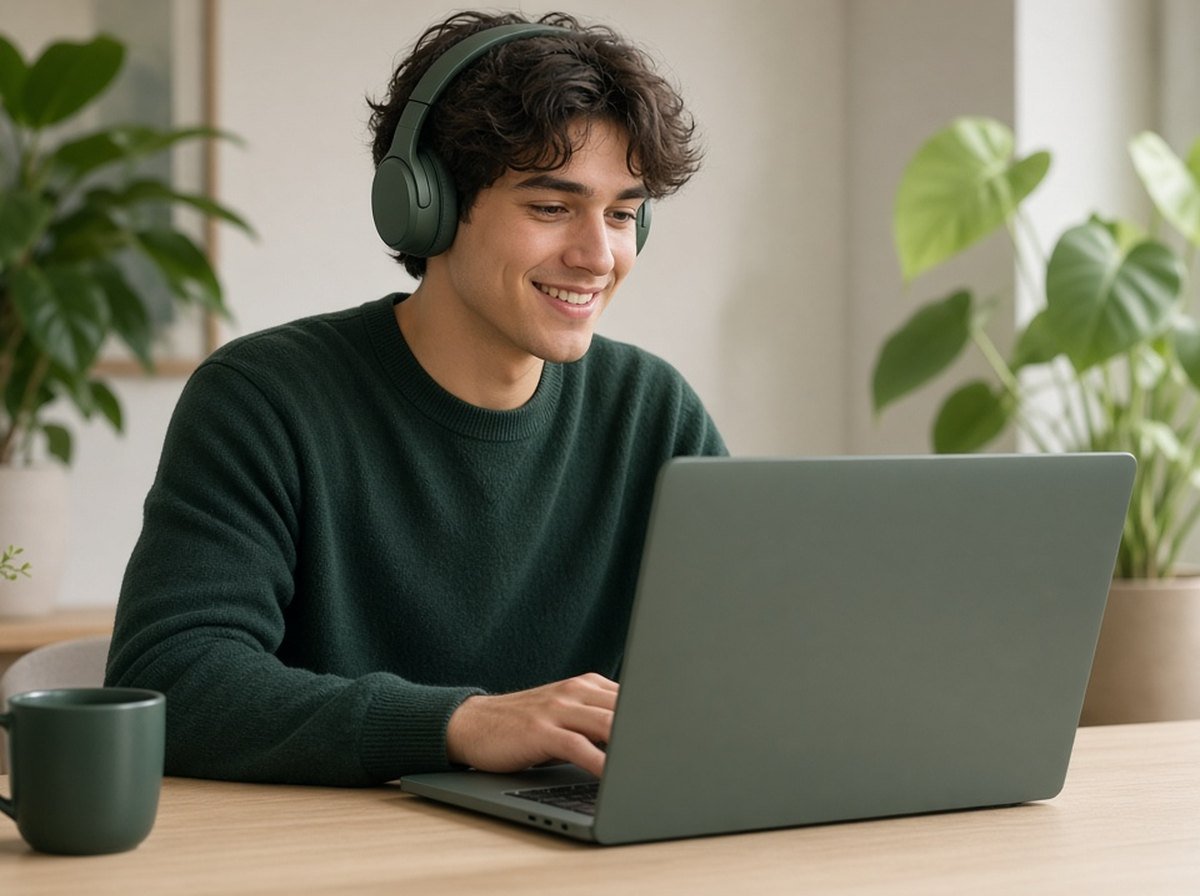
You may have seen an autistic friend, coworker or child wearing headphones in a busy store, on the bus or at a family dinner, sometimes with no music playing at all. If you've wondered why do autistic people wear headphones, the short answer is that the world can be very loud, and headphones help make it manageable. This post explains sensory overload, what headphones help with and why taking them away tends to backfire.
This post is general information, not a diagnosis or a treatment plan. Every autistic person is different, so the best expert on someone's needs is the person themselves.
Autism and noise sensitivity
The UK's National Autistic Society (NAS) explains that autistic people can be much more or less sensitive to sensory experiences than non-autistic people. That includes sound.
For someone who is hyper-sensitive to sound, NAS says sounds may seem much louder and sudden noises may be more distressing than they are to other people. They may avoid loud places, cover their ears or become distressed by unexpected noises or by an environment that's too loud for too long. NAS also mentions hyperacusis, where everyday sounds seem much louder than they should and can sometimes cause pain.
So autism and noise sensitivity isn't about being fussy. A humming fridge, a hand dryer, overlapping conversations or a crowded mall can feel genuinely overwhelming.
What is autism sensory overload?
NAS describes sensory overload as being overwhelmed by sensory input: a person has taken in too much sensory information and can't process any more. NAS notes that "sensory overload" isn't a clinical term. It's a phrase autistic people use to describe what happens when sensitivity and a busy environment add up.
Autism sensory overload can lead to stress, exhaustion, shutting down or a meltdown. A meltdown isn't a tantrum or bad behaviour. It's what can happen when the nervous system is overwhelmed.
Why do people with autism wear headphones?
When people ask why do people with autism wear headphones, the answer is usually some mix of the following:
Turning the volume down on the world. Headphones or ear defenders can soften background noise so it feels less painful or intrusive.
Preventing overload. Reducing sound input can help someone stay regulated longer in busy places.
Focusing. Less noise can make it easier to think, work or follow a conversation.
Predictability. Their own music or a familiar sound can be steadier than random noise around them.
Recovering. After a long, busy day, quiet can help the body and mind settle.
NAS lists ear defenders and noise-cancelling headphones among the items autistic people have found helpful for managing sensory differences.
Why some autistic people wear headphones a lot
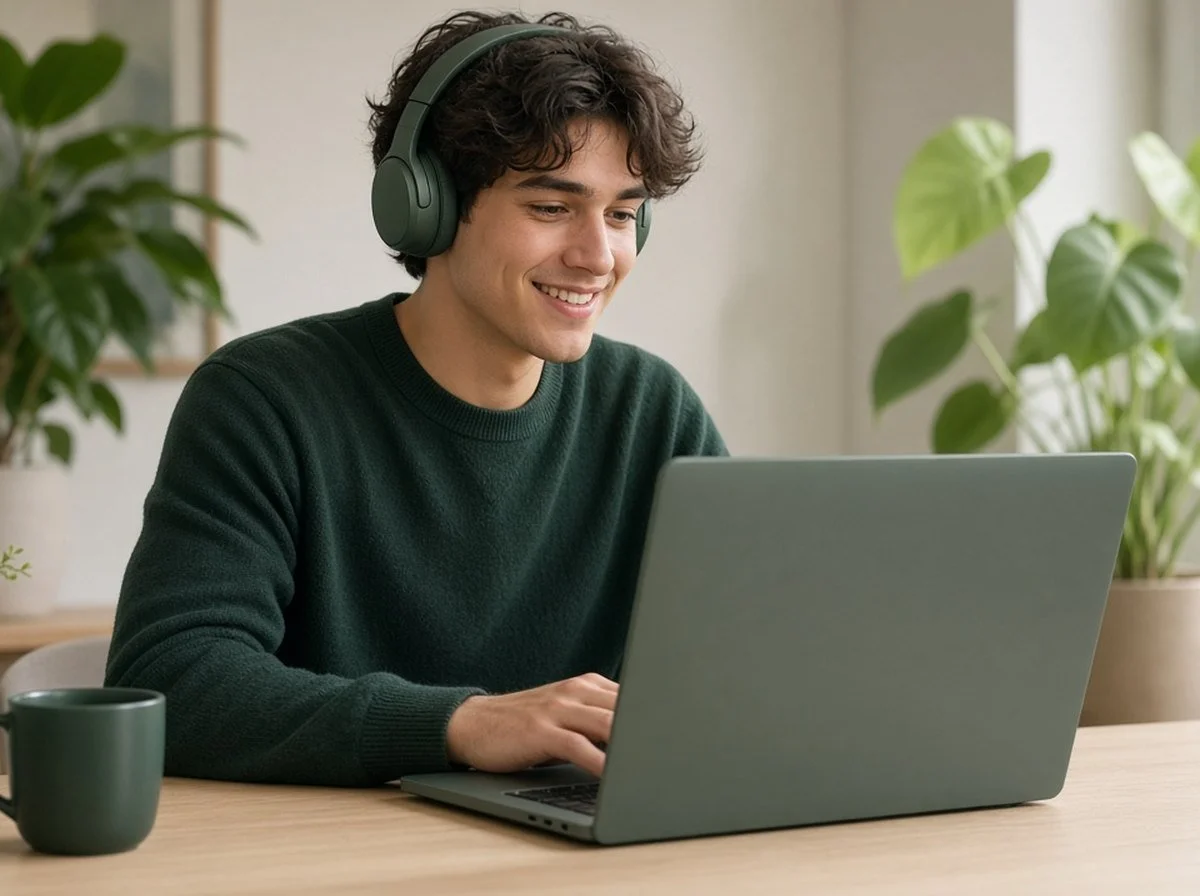
Some autistic people wear headphones a lot, in school, at work, on transit or at home. If you're wondering why do autistic people wear headphones a lot, it's usually because the environment is loud a lot of the time. Headphones are a tool, much like sunglasses on a bright day.
NAS also notes that using ear defenders or headphones a great deal may increase sensitivity over time for some people. That's a useful thing for an autistic person to know about and weigh up for themselves. It isn't a reason for someone else to take them away.
Why do autistic people wear headphones with no music?
Many autistic people wear headphones with nothing playing. The point is often simply to reduce or muffle sound, not to listen to anything. Others use music or familiar sounds on purpose. NAS notes that some people are less sensitive to certain sounds and seek out more sound input, for example by listening to loud music. Both are valid ways to meet sensory needs.
Why do autistic kids wear headphones?
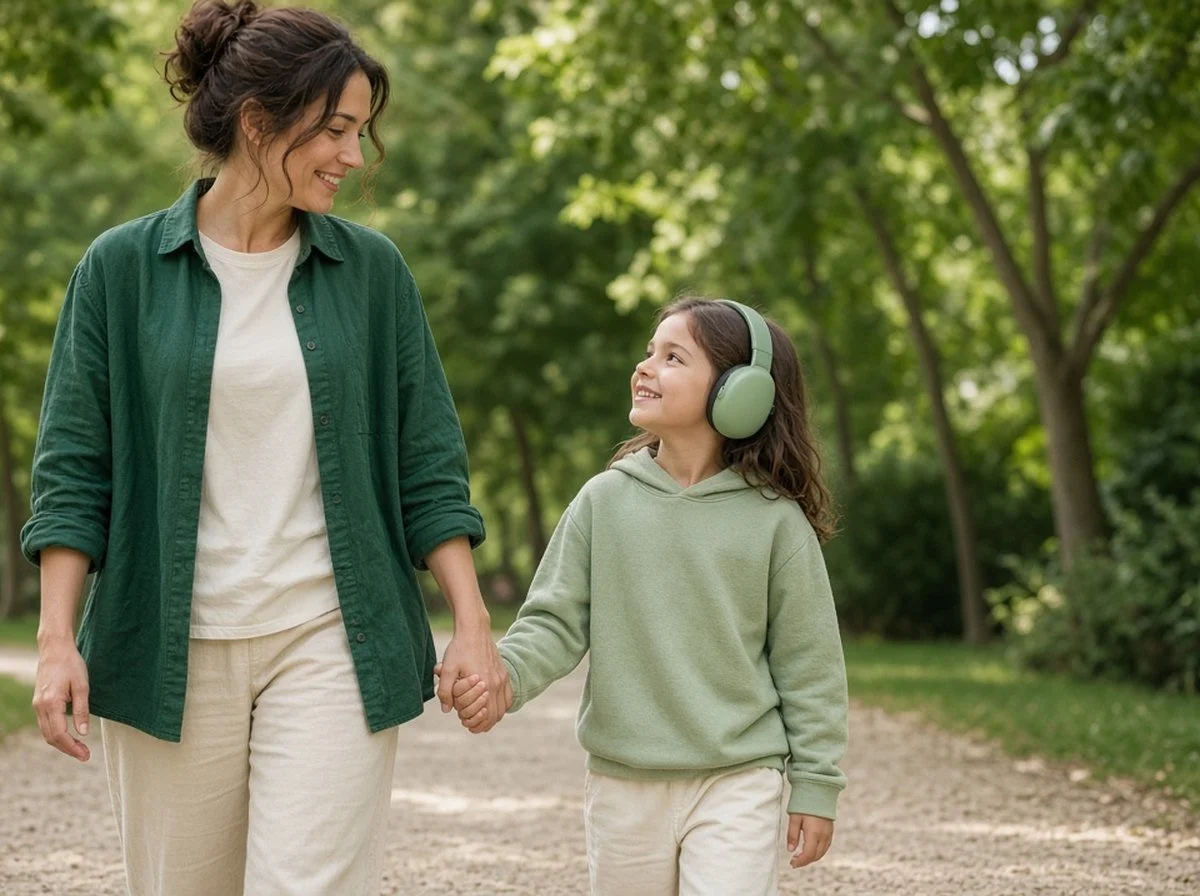
Kids can be especially affected by noise in places they can't easily leave, like classrooms, gyms, birthday parties and malls. Parents often wonder why do autistic kids wear headphones and whether to encourage it. Ear defenders can help a child take part in activities that would otherwise feel overwhelming.
Some ideas for parents:
let your child choose when to wear them
bring them to busy places, just in case
watch for early signs of overload, like covering ears, irritability or wanting to leave
praise your child for noticing and meeting their own needs
Why do autistic adults wear headphones?
Why do autistic adults wear headphones at work, on the bus or in shops? For the same reasons, plus the extra effort of getting through workplaces and public spaces that aren't designed with sensory differences in mind. Headphones can help an adult get through a commute, focus in an open office or stay calm in a grocery store.
Why taking them away backfires
It might seem like headphones are rude, antisocial or a habit to "grow out of." But removing a sensory tool usually doesn't help someone cope better. It just takes away a way they were coping. The result can be more stress, less ability to focus or connect and a higher chance of overload or meltdown.
Instead of asking someone to take them off, try asking how you can make the space easier: turning down music, finding a quieter spot or giving a heads-up before loud moments.
Why do people with autism wear noise cancelling headphones vs ear defenders?
Why do people with autism wear noise cancelling headphones rather than simple ear defenders, or the other way around? It's personal. Some prefer the feel, some the level of quiet, and some like being able to play music. There's no right choice. The best option is whichever one the person finds comfortable and helpful.
What it can feel like without them
Imagine trying to have a conversation while a fire alarm, a radio and three other conversations all compete for your attention, and you can't tune any of them out. Now imagine that's a normal trip to the grocery store. For someone with strong sound sensitivity, a busy space can feel a bit like that. Every extra noise uses up energy. Headphones can give the brain a break, so there's more energy left for the things that matter, like talking with a friend, finishing a task or simply enjoying the day.
Headphones aren't a sign of autism on their own
Plenty of people wear headphones for all kinds of reasons. Wearing them a lot isn't a sign of autism by itself. If you're wondering about autism for yourself or someone you love, an assessment is the way to get clear answers. We offer adult autism assessments with our psychologists, and assessments for children 6 and up and teens too.
How to be supportive
treat headphones as a reasonable accommodation, not a problem
make quiet spaces available at gatherings
don't comment on, tease or grab someone's headphones
ask what helps, and trust the answer
Our post on supporting an autistic loved one has more ideas.
Neurodiversity-affirming support
Counselling can help autistic people manage stress, anxiety and burnout, understand their sensory needs and advocate for themselves, without trying to change who they are. Learn more on our autism counselling page.
We offer counselling in person in Waterloo, Kitchener, Cambridge and Ottawa, and online anywhere in Ontario on a secure, encrypted video platform. Online sessions can be a comfortable option for anyone sensitive to busy waiting rooms.
Sessions with our therapists range from $130 to $200, depending on the clinician.
Depending on your plan, insurance may cover some or all of the cost. Coverage varies, so check your plan.
We can direct bill many insurers, including for sessions with a Registered Psychotherapist (Qualifying). Desjardins is the exception: through TELUS eClaims, we can direct bill Desjardins for sessions with an RSW, RP or psychologist, but not for an RP (Qualifying).
Book a free 15-minute consultation with our admin team to find the right fit.
If you're in crisis: if anyone is in immediate danger, call 911. If you're thinking about suicide or self-harm, call or text 9-8-8 any time.
Last reviewed: October 2026
Sources
Autism and sensory processing, National Autistic Society (UK)
Prevalence of Decreased Sound Tolerance (Hyperacusis) in Individuals With Autism Spectrum Disorder: A Meta-Analysis (Ear and Hearing, 2021), peer-reviewed, via NIH PubMed Central