
Losing yourself in a relationship means slowly losing touch with your own needs, interests and sense of who you are as your life blends with your partner’s. It often happens quietly, without anyone meaning for it to. The good news is that you can find yourself again, often without ending the relationship, by taking small steps back toward what matters to you.
This post is general information, not medical advice or a diagnosis.
What losing yourself in a relationship means
When two people share a life, some blending is normal and even healthy. You build routines, friends and plans together. Researchers note that partners often develop shared friends and activities and even overlapping views of who they are (Slotter and colleagues, see Sources).
Losing yourself in a relationship is when that blending goes so far that your own voice gets quiet. You may not remember what you like, what you think or what you want, apart from your partner. Some people call this losing your identity in a relationship or self-abandonment in relationships.
It is not a diagnosis, and it does not mean anyone is to blame. It is a common experience, and it can change.
Signs you may be losing yourself in a relationship
The signs of losing yourself in a relationship can be easy to miss because they build over time. You might notice that:
You have stopped doing hobbies or activities you used to love
You see your own friends and family much less
You find it hard to say what you want, even about small things
You often go along with plans so things stay smooth
Your mood depends a lot on your partner’s mood
You feel unsure who you are outside the relationship
You feel a quiet sadness or emptiness you cannot quite explain
If you have thought, “I lost myself in my relationship,” you are not alone. Many people feel this way at some point, in short and long relationships alike.
Why people lose themselves in relationships
There are many reasons this can happen. Often, several are at play at once.
Wanting closeness. When you care about someone, it is natural to want to share their world. Over time, your own world can shrink without you noticing.
Avoiding conflict. Going along with things can feel easier than speaking up. Each small “it’s fine” can add up.
Big life changes. Moving in together, having children, caring for family or a new job can leave little time for yourself.
Past experiences. If you learned growing up that your needs came last, you may put others first without thinking.
Busy seasons. Stress and long days can push your own interests to the bottom of the list.
None of these are flaws. They are understandable ways people adapt, and they can be gently unlearned.
How it can affect you and the relationship
Losing yourself can take a toll on you. You may feel tired, flat, resentful or lonely, even when you are not alone. You might feel like you are fading into the background of your own life.
It can affect the relationship too. Your partner may miss the person you used to be, or not know what you really want. Closeness can start to feel heavy instead of warm.
Research suggests that a clear sense of self matters. One study found that after a breakup, people often felt less sure of who they were, and that this loss of clarity was linked with more distress (Slotter and colleagues, see Sources). Another line of research found that when partners feel clear about who they are as a couple, they tend to feel more committed (Emery and colleagues, see Sources). Knowing yourself and knowing “us” can both help.
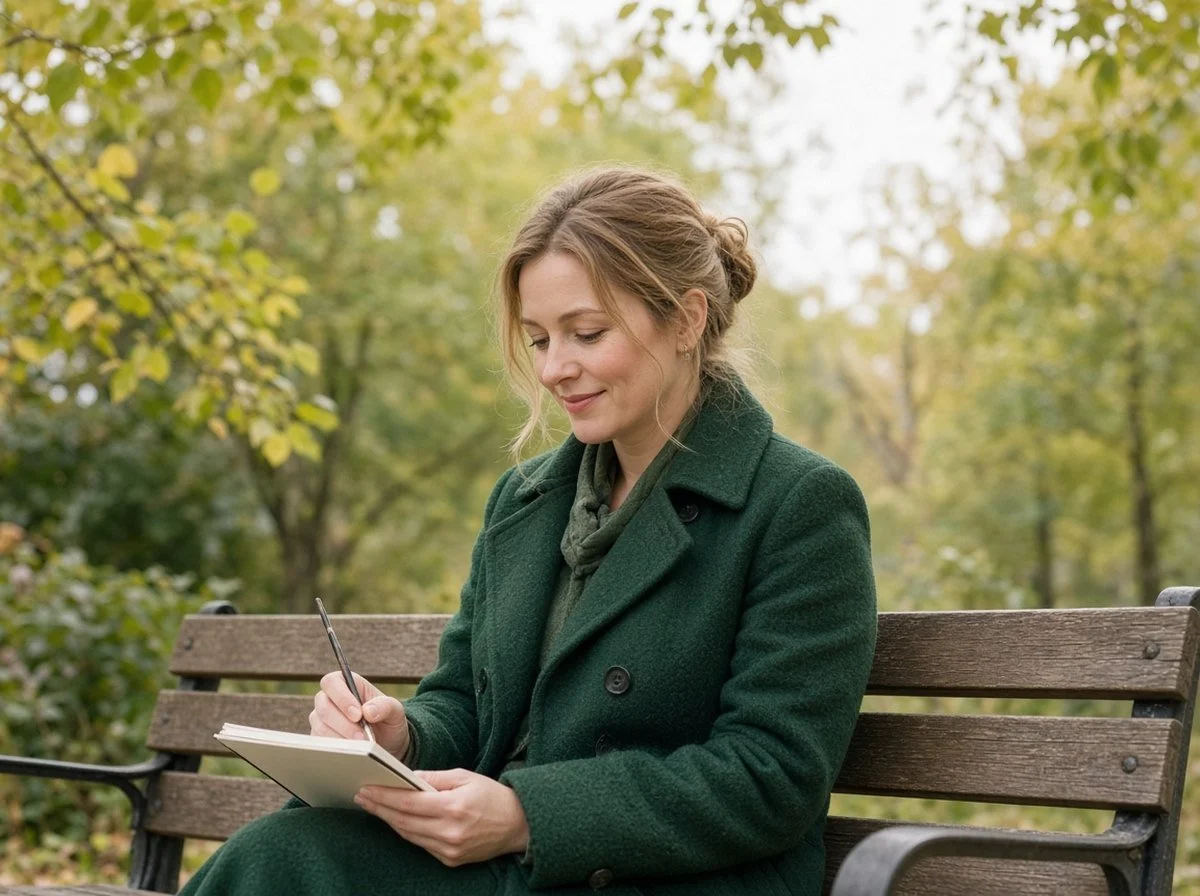
How to find yourself again without ending the relationship
Learning how to find yourself again in a relationship usually starts small. You do not need to change everything at once.
Notice what you miss. Make a short list of things you used to enjoy, people you miss or parts of yourself that feel quiet.
Pick one small thing. Choose one activity, friend or interest to bring back this week. Even 20 minutes counts.
Check in with yourself. Before you answer a question like “What do you want for dinner?”, pause and ask what you really want.
Practise small “no”s and “yes”es. Saying what you prefer in low-stakes moments builds confidence for bigger ones.
Protect some time that is yours. Time alone or with your own friends can help you reconnect with who you are.
Be kind to yourself. Losing yourself is common. Our post on self-compassion shares gentle ways to treat yourself with care as you change.
Not losing yourself in a relationship does not mean pulling away. It means staying close while keeping room for you.
How to talk with your partner about it
Talking about this can feel scary. Your partner may worry it means something is wrong between you. A calm, caring start can help.
You might try:
“I have noticed I have let go of some things that matter to me. I want to bring some of them back.”
“This is not about you doing something wrong. It is about me wanting to feel more like myself.”
“Can we figure out some time each week for each of us to do our own thing?”
Listen to how your partner feels too. They may have their own wishes for more space or more closeness. Setting kind, clear limits can help you both. Our post on how to set boundaries in a relationship has more ideas.
When losing yourself is a sign of something more serious
Sometimes, losing yourself happens because you feel you are not allowed to be yourself. If you feel afraid of your partner, are kept from friends or family, are controlled or are hurt, your safety comes first. If you or someone else is in immediate danger, call 911.
Losing yourself can also go along with low mood or anxiety that does not lift. If you have felt sad, empty or worried most days for weeks, it may help to talk to someone.
If you are thinking about suicide or hurting yourself, call or text 9-8-8 now. If you or someone else is in immediate danger, call 911.
How counselling can help, alone or together
Counselling gives you space to understand how you lost touch with yourself and what you want now. You can come on your own, with your partner or both.
In individual counselling, a therapist can help you:
Reconnect with your values, needs and interests
Notice patterns, like putting yourself last
Practise speaking up in ways that feel safe and kind
In couples counselling, you and your partner can work on keeping closeness while each of you has room to grow. Learn more about our couples counselling. For online couples sessions, both partners need to be in Ontario.
We offer counselling at our Kitchener-Waterloo, Cambridge and Ottawa offices, and online across Ontario. Every clinician on our team is registered with their college.
Common questions about losing yourself in a relationship
What does losing yourself in a relationship mean? It means losing touch with your own needs, interests and sense of self as your life blends with your partner’s.
What are the signs you are losing yourself in a relationship? Dropping hobbies and friends, finding it hard to say what you want and feeling unsure who you are on your own.
How do I find myself again without ending my relationship? Start small. Bring back one interest, protect some time for yourself and talk openly with your partner.
Is it normal to lose yourself in a long relationship? It is common. Life changes and routines can slowly push your own needs aside.
Can couples counselling help when one partner feels lost? Many couples find it helpful to have support as they make room for each person to grow.
Billing and your first step
We accept Health Spending Accounts (HSAs).
We can direct bill many insurers. Coverage depends on your plan, so check with your insurer before you start.
If you have lost track of who you are in your relationship, book a free 15-minute consultation and we can help you find your way back, on your own or together.
If you’re in crisis: if you or someone you love is in immediate danger, call 911. If you’re thinking about suicide, call or text 9-8-8 any time, day or night.
Last reviewed: October 2026
Sources
Slotter EB, Gardner WL, Finkel EJ. “Who am I without you? The influence of romantic breakup on the self-concept.” Personality and Social Psychology Bulletin. 2010;36(2):147-60. https://pubmed.ncbi.nlm.nih.gov/20008964/
Emery LF, Gardner WL, Carswell KL, Finkel EJ. “Who are ‘We’? Couple Identity Clarity and Romantic Relationship Commitment.” Personality and Social Psychology Bulletin. 2021;47(1):146-160. https://pubmed.ncbi.nlm.nih.gov/32400297/