
Grey divorce is a popular term for divorce among people about 50 and older. In Canada, it became more common between 1991 and 2006 and has been fairly stable since. If you are separating later in life, the emotional work is real, and you do not have to treat it as a failure or as the only right answer.
This article explains what grey divorce means, what Statistics Canada data shows, why some couples separate later in life, the emotional side of divorce after 50, telling adult children and family, finding your footing, and how counselling can help in Ontario. You may also see the American spelling “gray divorce” in some writing. Here we use grey.
What is grey divorce?
The phrase is informal, not a legal category. It simply points to a split that comes in midlife or later, often after a long marriage, and sometimes after children have grown. For some people it follows years of quiet distance. For others it follows a clearer break, such as a betrayal, a long conflict or a change that makes the old pattern impossible to keep.
Later-life separation can stir grief for the shared history and for the future you pictured. It can also bring relief, fear, anger or a confusing mix of all of these. None of those reactions means you are handling it the wrong way. The American Psychological Association notes that divorce can affect well-being, and that loneliness, low mood and a shaken sense of self are common. That is emotional context, not a prediction of how your story will go.

Grey divorce in Canada, what the numbers show
Statistics Canada, in a March 2022 report on divorces from 1970 to 2020, said that divorce among people aged 50 and older, sometimes dubbed “grey divorce,” remains a relatively rare event compared with younger adults. The divorce rate in this age group rose by 26% between 1991 and 2006, from 4.2 to 5.3 per 1,000, and has remained fairly stable since, aside from lower figures for 2020.
That rise was modest compared with the United States. A US study by Brown and Lin, published in 2012, found that the divorce rate among American adults aged 50 and older roughly doubled between 1990 and 2010. Those are US figures, not Canadian ones.
Canadian divorce statistics also miss a lot of later-life breakups. Statistics Canada is clear that divorce figures do not cover married couples who separate but never legally divorce, and they do not cover the endings of common-law relationships. If your relationship was not a legal marriage, or if you have separated without a divorce, your experience still counts. The official numbers simply do not capture it.
Why some couples separate later in life
There is no single cause, and this is not a list of reasons your marriage should end or should continue. Couples separate later in life for many ordinary human reasons. They may have grown apart after children left home. Retirement may have changed the daily rhythm they were used to. A longer life can also leave more years to live with a pattern that already felt thin. Long-standing conflict, a breach of trust or a change in health can all play a part.
Those seasons, including an empty nest or a midlife rethink, are hard for many couples. They do not, on their own, mean a relationship must end. They can, though, bring old cracks into view. If you are still deciding, counselling can help you look at the relationship honestly, without being pushed toward a particular outcome.
The emotional side of divorce after 50
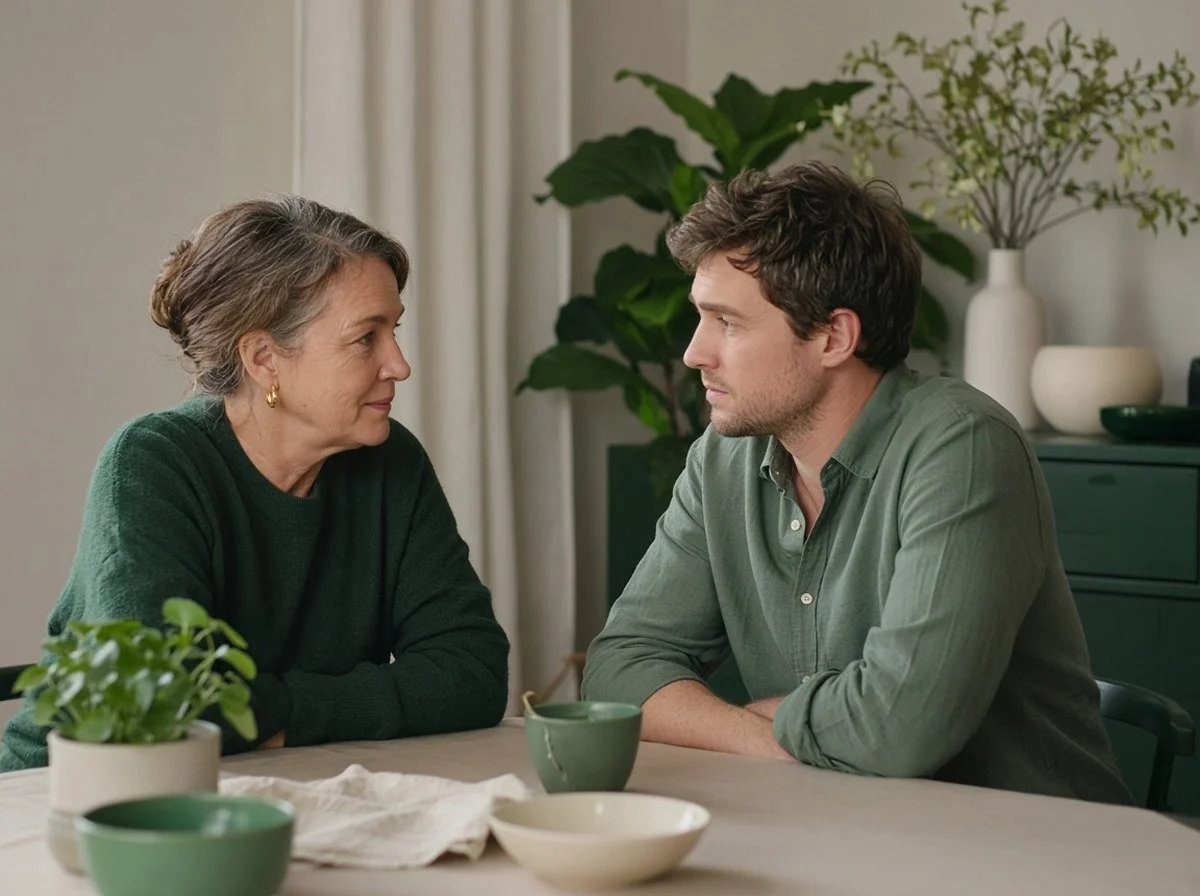
A split after decades together can feel like losing a whole identity, not only a partner. You may have been “we” in your community, your family and your own mind for a long time. Finding the first-person singular again takes practice.
Grief and relief can arrive in the same week. You might miss the familiar days and still feel lighter without the old tension. You might worry about getting older on your own, or about how retirement will look now. Guilt is common too, especially if one of you did not want the split. None of this means you are unstable. It means a long chapter is closing, and your feelings are trying to catch up.
If you feel afraid of your partner, your safety comes first. If you are in danger, call 911. A respectful separation still requires that you can speak and plan without fear.
Telling adult children and family
Adult children may grieve too. They may feel pulled to take sides, worry about holidays, or feel protective of one parent. Some are supportive right away. Others need time, or feel angry that the family story they grew up with is changing.
It helps to keep adult children out of the middle as much as you can. They do not need to be messengers, referees or counsellors. A clear, calm conversation, without recruiting them to agree with you, gives them a better chance to have their own feelings. Friends and siblings may also need a simple, honest update and then some patience. Our post on how to support someone going through a divorce is written for the people around you, and it can help you think about what kind of support actually helps.
You do not have to explain every private detail. A short, steady statement is often enough.
Finding your footing after a grey divorce
Footing comes back in small pieces, not all at once. Routines help: meals, sleep, movement, and a few anchors in the week that are yours. Rebuilding friendships matters too, including friends you may have seen less often during the marriage. Our post on how to make friends as an adult has practical ideas if that part of life feels rusty.
A small new interest can help, as long as you do not treat it as a requirement to reinvent yourself overnight. Dating, if you want it at all, can wait until you have a little more solid ground. There is no rule about how soon is too soon, but gentle pacing usually feels kinder than a rushed search for a replacement life.
This is also a time to be careful with big decisions made only to fill the quiet. You can take a season to learn what you need now, not only what the marriage used to organize for you.
If you are thinking about suicide or hurting yourself, call or text 9-8-8 now. If you or someone else is in immediate danger, call 911.
How counselling can help
Individual counselling can give you a place to sort the grief, relief, anger or identity shake-up that a later-life split can bring. Divorce counselling in Kitchener-Waterloo is one of the ways we support people through this transition. Couples counselling is also available for couples who are deciding whether to separate. Online couples sessions need both partners to be in Ontario during the session. Adults 65 and older are seen.
We do not offer legal, financial or mediation advice. Counselling is a place for the emotional side of the change, and for finding a steadier next step at your own pace. We offer counselling at our Kitchener-Waterloo, Cambridge and Ottawa offices and online across Ontario.
Your next step
If you are facing a separation later in life, book a free 15-minute consultation with our admin team and talk through what comes next at your own pace. It is a chance to ask questions and see whether counselling is a good fit. Booking it does not commit you to ongoing sessions. The call is not a therapy session or a crisis service.
If you or someone you love is in immediate danger, call 911. If you are thinking about suicide, call or text 9-8-8, any time.
Last reviewed: November 2026