

People often talk about borderline personality disorder from the outside, describing how it looks to others. That misses most of the story. If you've wondered what is it like to have BPD, whether you live with it or love someone who does, this post describes how it can feel from the inside: emotions that arrive fast, the fear of being left, a shifting sense of self, emptiness and shame, and what change can feel like with skills-based therapy.
This post is general information, not a diagnosis or a treatment plan. Only a qualified professional can say whether BPD fits your experience.
BPD in plain words
The U.S. National Institute of Mental Health (NIMH) describes borderline personality disorder as a serious mental illness that affects how a person feels about themselves and others. It often involves difficulty regulating emotions, an unstable or often changing sense of self and troubled relationships.
BPD is not a character flaw, and it is not who a person is. NIMH is also clear that effective treatments exist. People with BPD are whole people, with strengths, values and relationships that matter to them. Many are also carrying a lot of pain.
Emotions that arrive fast and stay loud
So, what does BPD feel like daily? Often, it starts with emotions. NIMH describes intense and highly variable moods, with episodes lasting from a few hours to a few days.
From the inside, it can feel like having the volume turned all the way up. A small change in someone's tone can land like a punch. Joy can feel huge, and so can hurt. Once a feeling starts, it can be hard to bring it back down, even when part of you knows the reaction is bigger than the moment.
Living with BPD can mean spending a lot of energy just managing what's happening inside, which can be exhausting.
The fear of being left
NIMH lists efforts to avoid real or perceived abandonment and high sensitivity to rejection among the signs of BPD. From the inside, a late text or a cancelled plan can set off a wave of panic: "They're leaving. I knew it."
That fear can lead to holding on tightly, or to pulling away first so the hurt can't land. We explain that pattern more fully in our post on why people with BPD push people away.
Black and white moments
NIMH notes that people with BPD tend to view things in extremes, such as all good or all bad. In the moment, a person you love can suddenly feel like someone who doesn't care at all, and later that feeling may shift back. It isn't a choice, and it often brings confusion and guilt afterward. Our post on why people with BPD split explores this in more depth.

Not sure who you are
According to NIMH, people with BPD often experience uncertainty about how they see themselves, and their interests, values and feelings can change quickly.
It can feel like your sense of self depends on who you're with, or that you're never quite sure what you want. You might change goals, styles or plans often, and wonder which version is the real you. That can be unsettling, and it can make decisions feel very hard.
What does BPD emptiness feel like?
Chronic feelings of emptiness are one of the signs NIMH lists. What does BPD emptiness feel like? It can be hard to put into words. It can feel like a hollow space inside, a sense that something is missing, or being bored and restless no matter what you do. It may feel different from sadness, more like nothing at all.
NIMH also mentions feelings of dissociation, like being cut off from yourself or your surroundings. Both can be frightening, and both are worth talking about in therapy.
Urges, shame and the morning after
When emotions are overwhelming, there can be strong urges to do something, anything, to make the pain stop. That might mean impulsive choices that bring relief in the moment and regret later. NIMH notes that self-harm and suicidal thoughts are more common in people with BPD than in the general population.
Afterward, shame often arrives. "Why did I do that? What's wrong with me?" That shame can feed the next wave of pain. You deserve support with this, not judgment.
If you're struggling right now: if you're thinking about suicide or self-harm, call or text 9-8-8 any time. If you or anyone else is in immediate danger, call 911.
What does BPD feel like in a relationship?
What does BPD feel like in a relationship? It can be intensely loving, and intensely frightening at the same time. Closeness can feel like the most important thing in the world, and also like the thing most likely to hurt you. NIMH describes relationships that may swing from extreme closeness to extreme dislike, causing emotional pain.
Wanting a stable, loving relationship very much is part of what can make it feel so high stakes. With support, partners can learn to understand each other better, and people with BPD can build skills that make relationships feel safer.
What is it like to have BPD and ADHD?
What is it like to have BPD and ADHD? NIMH notes that BPD often occurs alongside other conditions, including ADHD, depression and anxiety, and that overlapping symptoms can make diagnosis harder. Impulsivity, intense feelings and restlessness can show up in both. If you're wondering whether one, both or neither fits, a psychological assessment is the clearest way to sort it out, rather than guessing alone.
The tiredness nobody sees
What does borderline personality disorder feel like over weeks and months? The answer can include a deep, lasting tiredness. Riding big emotions, watching for signs of rejection, recovering from conflict and managing shame all take energy, often without anyone else noticing. You might look fine at work or with friends and then collapse at home. If that sounds familiar, it isn't weakness. It's what carrying this much can feel like, and it's one more reason support matters.
What change can feel like
BPD can get better. NIMH reports that evidence-based treatments have been shown to help many people experience fewer and less severe symptoms, improve their functioning and have a better quality of life.
Change doesn't usually feel like a switch flipping. It can feel like noticing a wave of emotion a little sooner, having a skill to reach for, getting through a hard night without acting on an urge or repairing after a conflict instead of spiralling. Over time, those small moments can add up to steadier days.
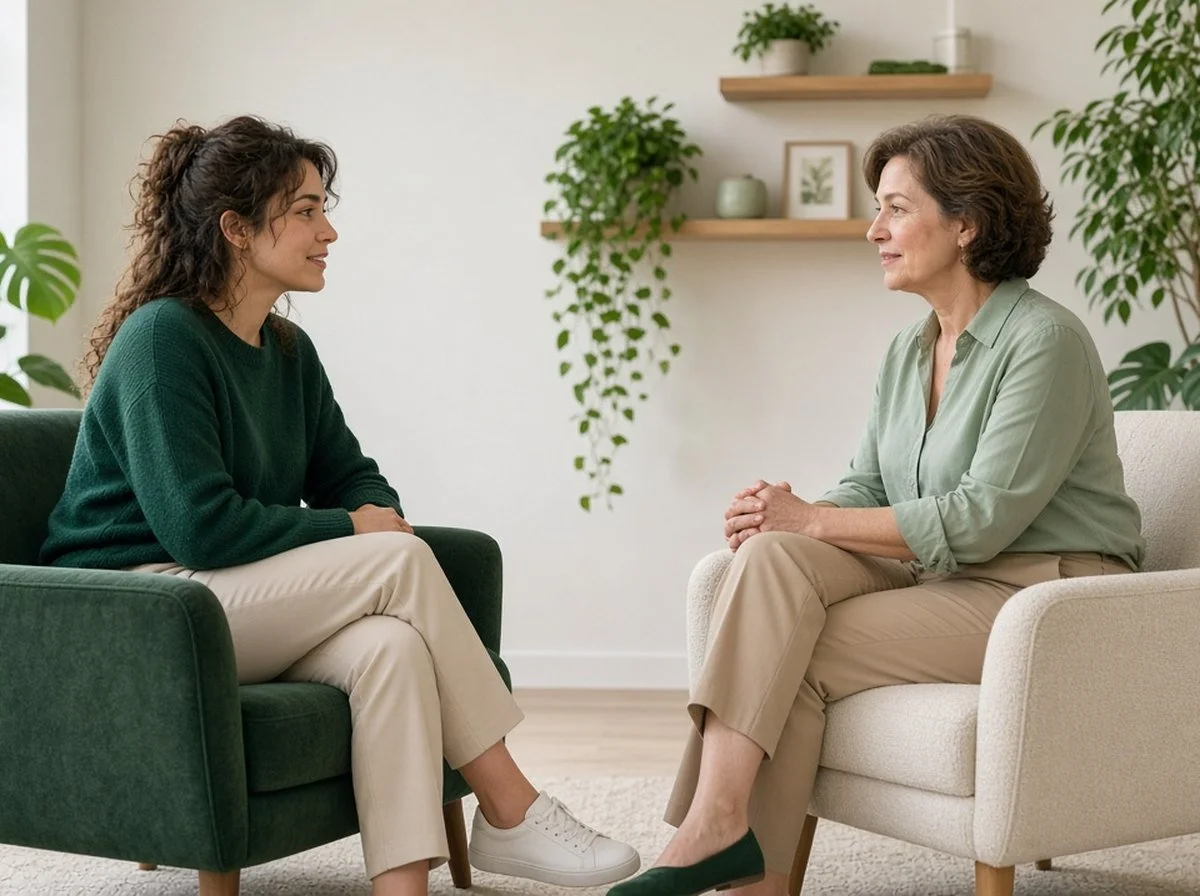
How counselling helps
NIMH notes that dialectical behaviour therapy (DBT) was developed specifically for people with BPD, and teaches skills to manage intense emotions, reduce self-destructive behaviours and improve relationships.
We offer DBT-informed individual counselling at every office. Learn more on our dialectical behaviour therapy page. Our psychologists can also provide psychological assessments if you'd like clarity about what you're experiencing.
We offer counselling in person in Waterloo, Kitchener, Cambridge and Ottawa, and online anywhere in Ontario on a secure, encrypted video platform.
Sessions with our therapists range from $130 to $200, depending on the clinician.
Depending on your plan, insurance may cover some or all of the cost. Coverage varies, so check your plan.
We can direct bill many insurers, including for sessions with a Registered Psychotherapist (Qualifying). Desjardins is the exception: through TELUS eClaims, we can direct bill Desjardins for sessions with an RSW, RP or psychologist, but not for an RP (Qualifying).
Book a free 15-minute consultation with our admin team. You can share as much or as little as you like.
If you're in crisis: if anyone is in immediate danger, call 911. If you're thinking about suicide or self-harm, call or text 9-8-8 any time.
Last reviewed: October 2026
Sources
Borderline Personality Disorder, National Institute of Mental Health (NIMH)
Borderline Personality Disorder (health topic), National Institute of Mental Health (NIMH)