
One day you realize the last real hug you had was months ago. You catch yourself leaning into a friend's quick pat on the shoulder, or feeling an ache when you see people holding hands. Being touch starved means going without the kind, caring touch that most people need. It is common, especially for people who live alone, have gone through a loss or are in a relationship with little affection. Wanting closeness is human, and there are gentle, safe ways to meet that need.
This post is general information, not medical advice or a diagnosis.
What does touch starved mean?
"Touch starved" is a popular way to describe a strong longing for physical affection. People also call it skin hunger or touch deprivation. These are everyday phrases, not clinical terms or diagnoses.
The kind of touch people miss is usually caring and wanted. Think of a hug from a friend, a hand on your back from someone you trust or curling up next to a partner. It is not about sex, though it can include intimacy for people in a relationship.
Every person has different needs. Some people want a lot of touch, while others want very little. Being touch starved is about the gap between what you need and what you have.
Signs you may be touch starved
There is no official list, but people often describe:
Craving hugs or physical closeness
Feeling lonely even when you talk to people often
Feeling a pang when you see others being affectionate
Leaning into small touches, like a handshake or a pat on the arm
Seeking comfort in warm baths, soft blankets or holding a pet
Feeling more stressed, tense or low than usual
Feeling distant in a relationship that has little affection
These signs can overlap with stress, loneliness or low mood, so it helps to look at the bigger picture of your life.
Why touch matters
Research on touch and well-being is still growing, but a few studies point in the same direction.
During COVID-19 restrictions, 1,746 people answered a survey about the touch they were getting (von Mohr and colleagues, 2021, see Sources). People who were missing intimate touch reported more anxiety and more loneliness. Intimate touch was also the kind people craved most. The study also found that people with an anxious attachment style tended to crave touch more.
Another study of 60 people looked at touch in relationships (Gray and Roberts, 2023, see Sources). People in low-touch relationships reported loneliness closer to that of single people than to people in high-touch relationships. The authors suggest that physical contact may matter for feeling less lonely within relationships.
These studies show links. They don't prove that touch alone fixes loneliness, and touch is not a treatment for anxiety or depression. But they help explain why going without touch can hurt.
Touch starved when you live alone
Living alone can mean days or weeks without any touch at all. This can be true for students, people who have moved to a new city, people after a breakup or divorce, people who have lost a partner and many older adults.
It can feel awkward to admit you miss being touched. But it is a normal human need, and naming it is the first step. You might start by noticing which people in your life you feel safe and comfortable with.
Touch starved in a relationship
You can feel touch starved even when you share a bed with someone. Partners often have different needs for affection. Stress, busy schedules, health changes or tension can also lead to less touch over time.
If you feel lonely in your relationship, our post on being lonely in a marriage explores why that can happen.
Some ideas for talking with a partner:
Ask without blame. "I've been missing being close to you" lands more gently than "You never touch me."
Be specific. You might ask for a hug when you get home or holding hands on a walk.
Separate affection from sex. Some people pull back from touch because they worry it will always lead to sex. Making room for non-sexual affection can help both people feel safe.
Respect each other's comfort. Touch should always be wanted by both people. A "no" or "not now" is okay.
If closeness itself feels scary, our post on fear of intimacy may help you understand why.

Small ways to meet the need for touch
Touch should always be with consent. That means asking and respecting the answer, every time. Here are some gentle ideas:
Ask for hugs. Many friends and family members are happy to hug if you ask. "Can I have a hug?" is a simple, kind question.
Spend time in person. Plan visits, meals or walks with people you care about. Being near others can bring natural moments of closeness.
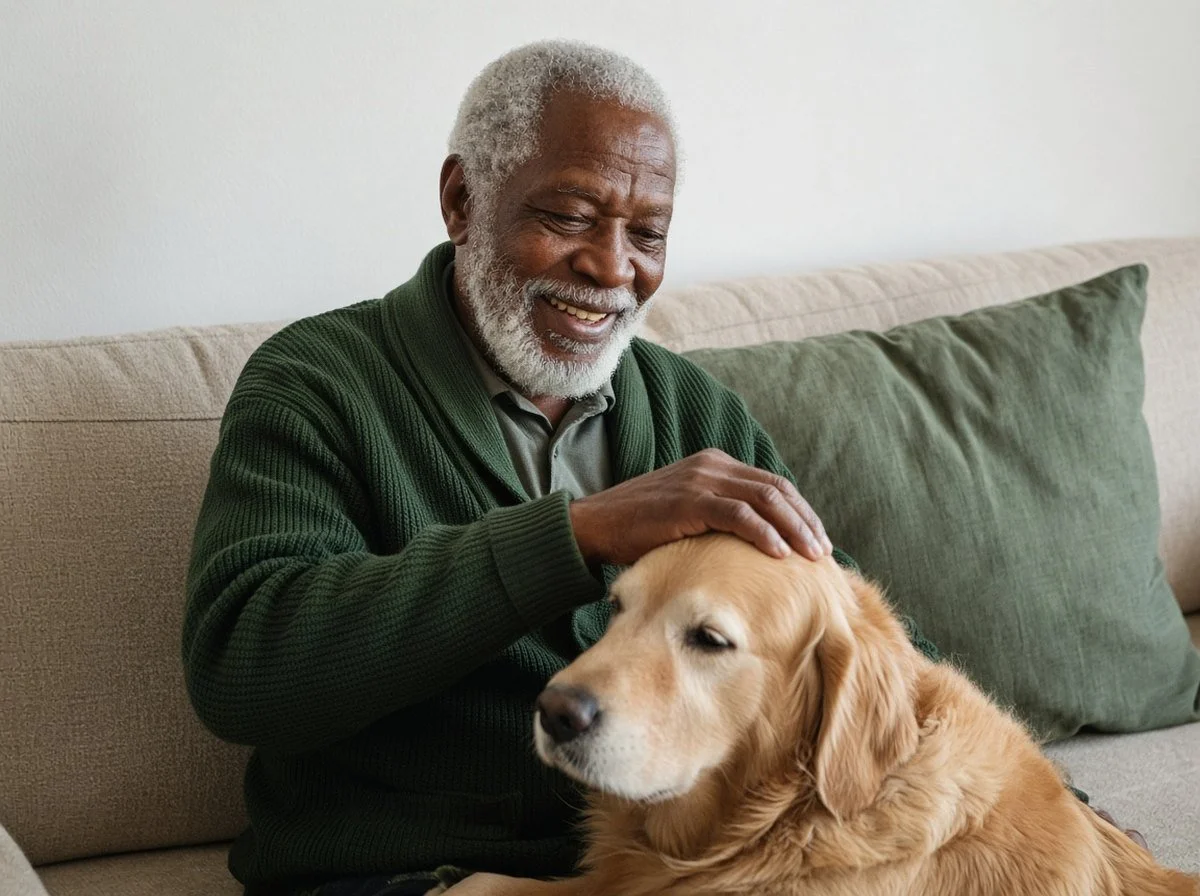
Spend time with a pet. Stroking a dog or cat can be soothing for many people.
Try comforting textures. A soft blanket, a warm bath or a heavy blanket can bring a sense of comfort.
Use self-soothing touch. Placing a hand on your chest or giving your own shoulders a gentle squeeze can feel calming.
Move your body. Stretching, dancing or other movement can help you feel more connected to your body.
These ideas won't replace connection with people, but they can help while you build more of it.
When loneliness feels heavier
Missing touch can be one part of a wider loneliness. It may be time to reach out if:
You feel lonely most days, even with people around
You feel low, flat or hopeless
You have pulled away from friends or family
A relationship has felt distant for a long time
Wanting touch brings up shame, fear or painful memories
If you are thinking about suicide or hurting yourself, call or text 9-8-8 now. If you or someone else is in immediate danger, call 911.
How counselling can help
Wanting closeness is human, and you deserve support with it. In individual counselling, a therapist can help you explore loneliness, build connections and work through anything that makes closeness feel hard. In couples counselling, partners can talk about affection needs in a safe space and find ways to feel close again. For intimacy concerns, our post on what happens in sex therapy explains what to expect.
We offer counselling at our Kitchener-Waterloo, Cambridge and Ottawa offices and online across Ontario.
Common questions about being touch starved
What does touch starved mean? It is a popular way to describe longing for caring physical touch. It is not a diagnosis.
Is skin hunger real? Skin hunger is an everyday phrase, not a clinical term. But research links missing intimate touch with more loneliness and anxiety.
Can you be touch starved in a relationship? Yes. Different affection needs, stress or distance can leave one or both partners wanting more touch.
How can I cope with being touch starved? Ask trusted people for hugs, spend more time in person, spend time with a pet and try comforting textures. Always keep touch consensual.
Cost, billing and your first step
Sessions with our therapists range from $130 to $200, depending on the clinician.
We accept Health Spending Accounts (HSAs).
We can direct bill many insurers. Coverage depends on your plan, so check with your insurer before you start.
Book a free 15-minute consultation with our admin team. Wanting closeness is human, and you deserve support with it.
If you're in crisis: if you or someone you love is in immediate danger, call 911. If you're thinking about suicide, call or text 9-8-8 any time, day or night.
Last reviewed: October 2026
Sources
von Mohr M, Kirsch LP, Fotopoulou A. "Social touch deprivation during COVID-19: effects on psychological wellbeing and craving interpersonal touch." R Soc Open Sci. 2021;8(9):210287. https://pubmed.ncbi.nlm.nih.gov/34527270/
Gray NLT, Roberts SC. "An investigation of simulated and real touch on feelings of loneliness." Sci Rep. 2023;13(1):10587. https://pubmed.ncbi.nlm.nih.gov/37391459/