
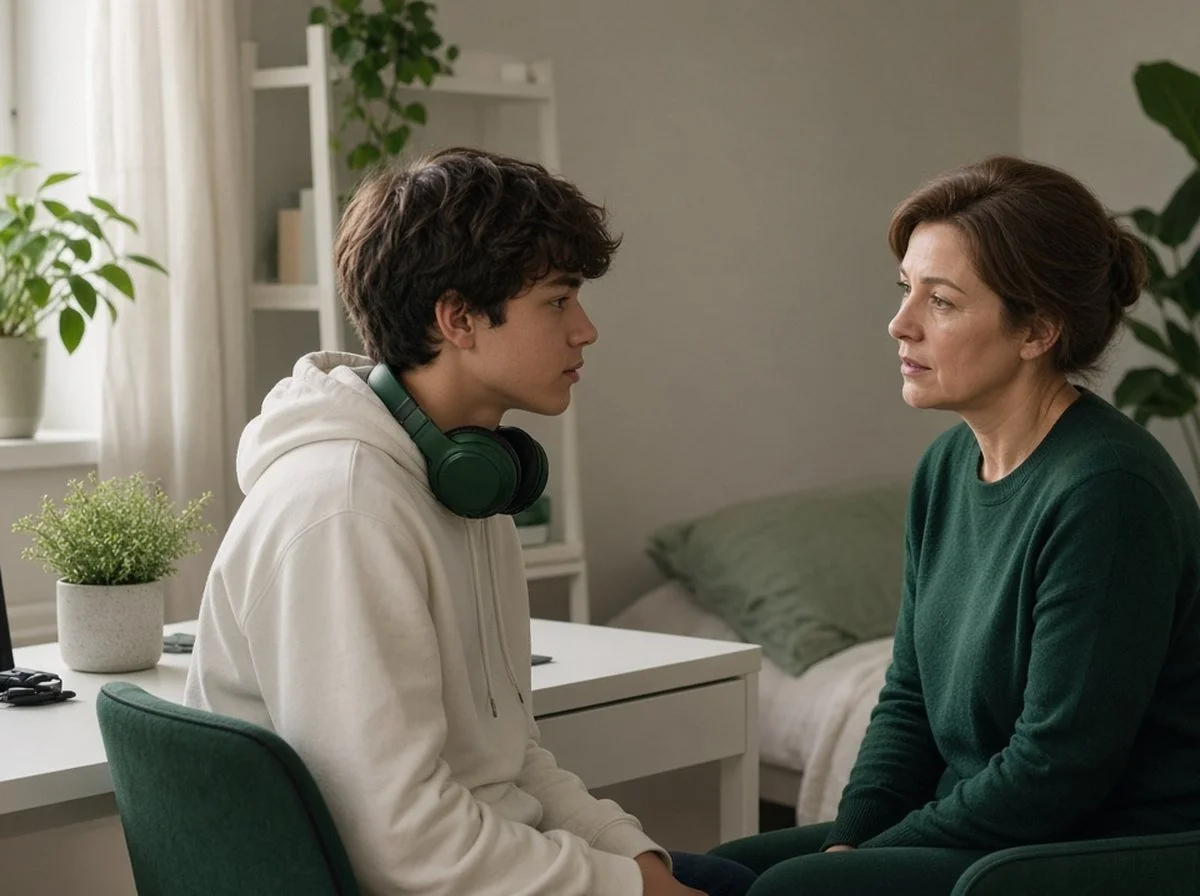
It's 11 p.m. on a school night and you can still hear the headset chatter through the bedroom door. Homework is slipping. Dinner is a fight. When you mention turning the game off, your teen reacts like you asked them to hand over a kidney. You start to wonder: is this just normal teen life in 2026, or is my teen addicted to gaming? This guide will help you tell the difference between a lot of gaming and a real problem, spot the warning signs and respond in a way that keeps your relationship intact.
Gaming itself isn't the enemy. For many teens, it's a way to relax, be creative and stay connected with friends. The question is whether it's still in balance.
What gaming disorder actually means
The World Health Organization (WHO) includes gaming disorder in its International Classification of Diseases (ICD-11). It describes a pattern of gaming with three main features:
Impaired control. Trouble controlling when gaming starts, how often it happens, how long it lasts and when it stops.
Increasing priority. Gaming takes over, to the point that it comes before other interests and daily activities.
Continuing despite harm. Gaming goes on, or even increases, even when it's clearly causing problems.
For a diagnosis, the WHO says the pattern must be serious enough to cause significant problems in areas like family, school, friendships or health, and would normally be present for at least 12 months.
The WHO also notes that studies suggest gaming disorder affects only a small proportion of people who play games. So most teens who game a lot do not have gaming disorder. That's reassuring, but it doesn't mean heavy gaming is always harmless.
Is my teen addicted to gaming? Warning signs to watch for
Hours alone don't tell the whole story. Look at the effect gaming is having on the rest of your teen's life. Warning signs include:
Losing control. They regularly play much longer than planned, or can't stop even when they want to.
Everything else shrinks. They drop sports, hobbies or friends they used to enjoy.
School slips. Grades fall, homework goes undone or they miss classes.
Sleep suffers. They stay up very late or game through the night.
Big reactions. They get very angry, anxious or low when they can't play.
Hiding or lying. They sneak devices, lie about how long they've played or hide spending.
Playing to escape. Gaming seems to be the main way they cope with stress, sadness or loneliness.
Ignoring basic needs. Skipping meals, showers or time outside.
One or two of these on a busy week is common. A steady pattern over months, especially one that's getting worse, is worth taking seriously.
What healthy gaming can look like
It helps to know what you're aiming for. A teen with a healthy relationship with gaming usually:
can stop when asked, even if they grumble about it
still sees friends, plays sports or has other interests
keeps up with school most of the time
gets enough sleep on school nights
is honest about when and how much they play
has other ways to calm down when they're stressed
Healthy doesn't mean perfect. Most teens will push limits sometimes, and that's part of growing up. If your teen ticks most of these boxes, gaming is probably one part of a full life rather than the centre of it.
Myths about teen gaming
Myth: any teen who games every day is addicted
Daily gaming can be a healthy hobby. What matters is control, balance and whether it's causing harm.
Myth: taking the console away will fix it
A sudden ban often leads to anger, sneaking and a damaged relationship. Change usually works better when your teen is part of the plan.
Myth: it's just a phase
Sometimes it is. But if gaming is hiding anxiety, depression, bullying or loneliness, the underlying problem won't go away on its own.
How much screen time is recommended?
The Canadian 24-Hour Movement Guidelines for Children and Youth, from the Canadian Society for Exercise Physiology, recommend no more than 2 hours per day of recreational screen time for young people aged 5 to 17. The same guidelines recommend 8 to 10 hours of uninterrupted sleep a night for teens aged 14 to 17.
Many teens go well past 2 hours, especially on weekends. You don't need to hit the number perfectly. It's a helpful benchmark for conversations about balance, especially when gaming is eating into sleep, school or activity.

What parents can do about teen gaming
Get curious first
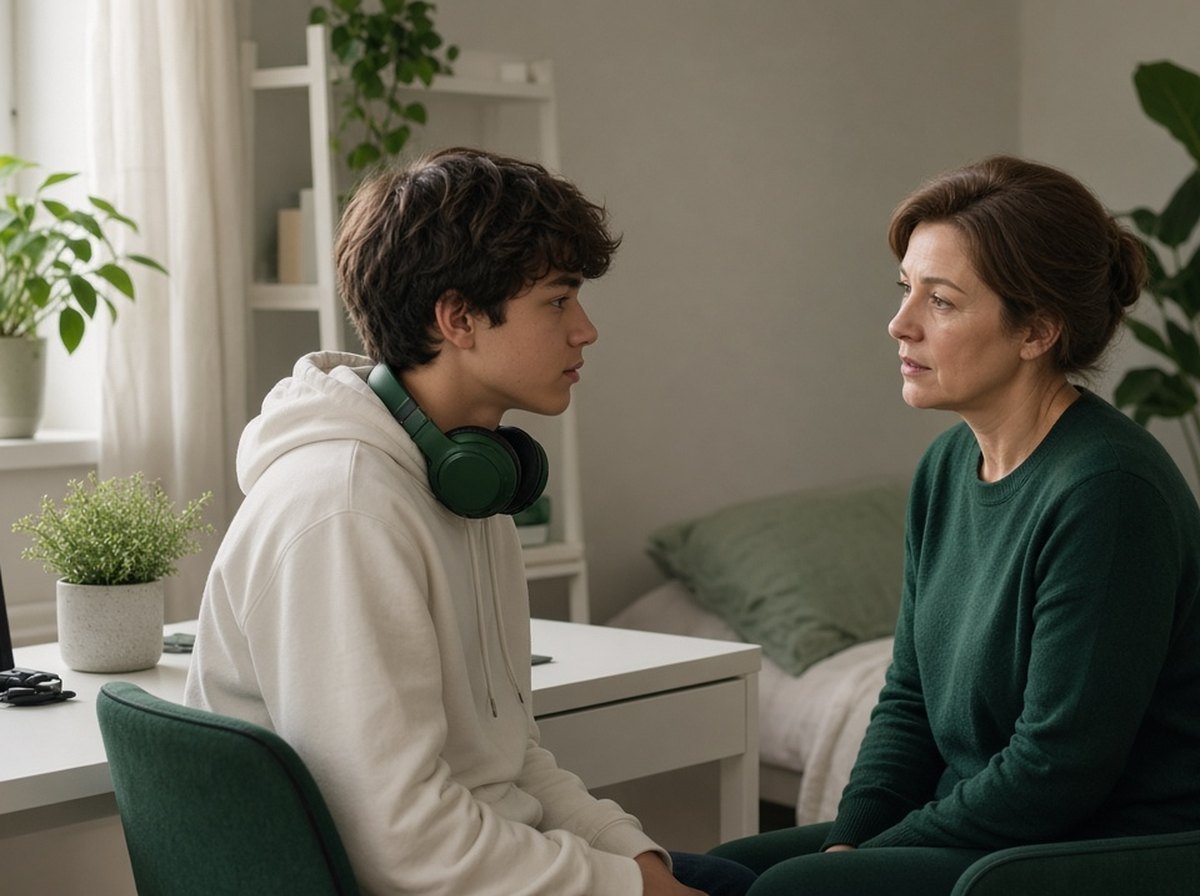
Ask your teen to show you the game. What do they like about it? Who do they play with? Understanding their world helps them feel respected, and it tells you a lot about what gaming is doing for them.
Talk about the impact, not the character
Try, "I've noticed you're really tired in the mornings and your grades have dropped. I'm worried," instead of "You're addicted and lazy." Stick to what you've seen.
Make a plan together
Work out clear, realistic limits with your teen. For example:
no gaming until homework is done
devices out of the bedroom at a set time each night
a daily or weekly time limit they help choose
screen-free family meals
Write the plan down. Agree on what happens if it isn't followed, and stick to it calmly.
Fill the gap
If gaming time drops, something needs to take its place. Help your teen find activities that give them some of the same things gaming does, like challenge, teamwork or a sense of achievement. That might be a sport, a club, a job or time with friends in person.
Model balance
Teens notice if adults are always on their phones. Consider some family-wide screen rules, not just rules for them.
Watch for money and online risks
Many games include in-game purchases. Set up parental controls on spending, and talk openly about online safety and who they're chatting with.
When it's more than gaming
Sometimes gaming is a symptom, not the cause. Teens who game heavily may also be dealing with anxiety, depression, ADHD, bullying or trouble fitting in. If your teen seems withdrawn, hopeless or talks about not wanting to be here, reach out for help right away.
Teens can contact Kids Help Phone any time, free and confidential, by calling 1-800-668-6868 or texting CONNECT to 686868. Anyone can call or text 9-8-8. In Waterloo Region and Wellington, call Here 24/7 at 1-844-437-3247. In Ottawa, youth can call the YSB youth crisis line at 613-260-2360. If someone is in immediate danger, call 911.
How counselling can help
A therapist can help your teen understand why gaming has such a pull, build other ways to cope and get back in control. They can also help parents set limits that stick without constant fights. Sometimes, working together as a family is the most helpful step.
We offer counselling for gaming addiction, teen counselling and family therapy. We see clients in person in Waterloo, Kitchener, Cambridge and Ottawa, and online across Ontario. No referral is needed, and evening and weekend appointments make it easier to fit around school.
Frequently asked questions
How many hours of gaming is too much for a teen?
There's no single cutoff for gaming disorder. The Canadian guidelines suggest no more than 2 hours of recreational screen time a day for youth, but the bigger question is whether gaming is harming school, sleep, relationships or mood.
Should I ban video games completely?
Usually not as a first step. Working out limits together tends to work better and protects your relationship. If you've tried that and it isn't working, talk to a professional.
What if my teen refuses to go to counselling?
You can start by getting support for yourself as a parent. A therapist can help you plan how to approach your teen, and many teens become more open once they see it isn't a punishment.
Get support for your family
You don't have to choose between being the "bad guy" and giving up. Book a free 15-minute consultation to talk with our team about your teen and what might help.