

The tears start before you've even reached the door. Your child clings to your sleeve at drop-off, asks again and again when you'll be back, or can't fall asleep unless you're in the room. If this sounds familiar, you may be wondering whether it's a phase or something more. This guide explains the signs of separation anxiety in children, especially school-age kids, what can set it off, what helps and when it may be time for support.
This post is general information, not a diagnosis. Every child is different, and only a qualified professional can assess your child.
Some separation worry is normal, so what's different?
Missing a parent is part of growing up. Mayo Clinic describes separation anxiety as a typical phase for many infants and toddlers, one that usually starts to ease by about age 2 to 3. If you have a toddler who cries at goodbyes, that's usually a normal stage.
By the school years, most children can handle being apart for a day at school, a sleepover at a grandparent's or an evening with a sitter, even if they feel a little nervous. Separation anxiety in school-age children looks different. According to Mayo Clinic, it may be more than typical when the worry is more intense than in other kids the same age, lasts a long time, or gets in the way of school and other daily activities.
Signs at drop-off, bedtime and beyond
Separation anxiety can show up in many ways. Some signs to watch for include:
crying, pleading or panicking at school drop-off
begging you not to go, or clinging to you
asking many questions about where you're going and when you'll be back
constant worry that something bad will happen to you while you're apart
not wanting to be in a different room from you at home
refusing sleepovers, camps or activities without you
nightmares about being apart
Child separation anxiety at school drop-off is one of the most common places parents notice it. It can also appear in quieter ways, such as a child who stays close to your side at every family gathering.
Separation anxiety at bedtime in children
Night can be the hardest time. Lights out means being alone, and worries tend to feel bigger in the dark. Separation anxiety at bedtime in children might look like:
needing you to stay until they fall asleep
calling out or coming to find you again and again
wanting to sleep in your bed
trouble falling or staying asleep unless you're nearby
AboutKidsHealth, from SickKids in Toronto, lists trouble falling or staying asleep unless a parent is in the same room, and difficulty separating, among the behaviour signs of anxiety in children.
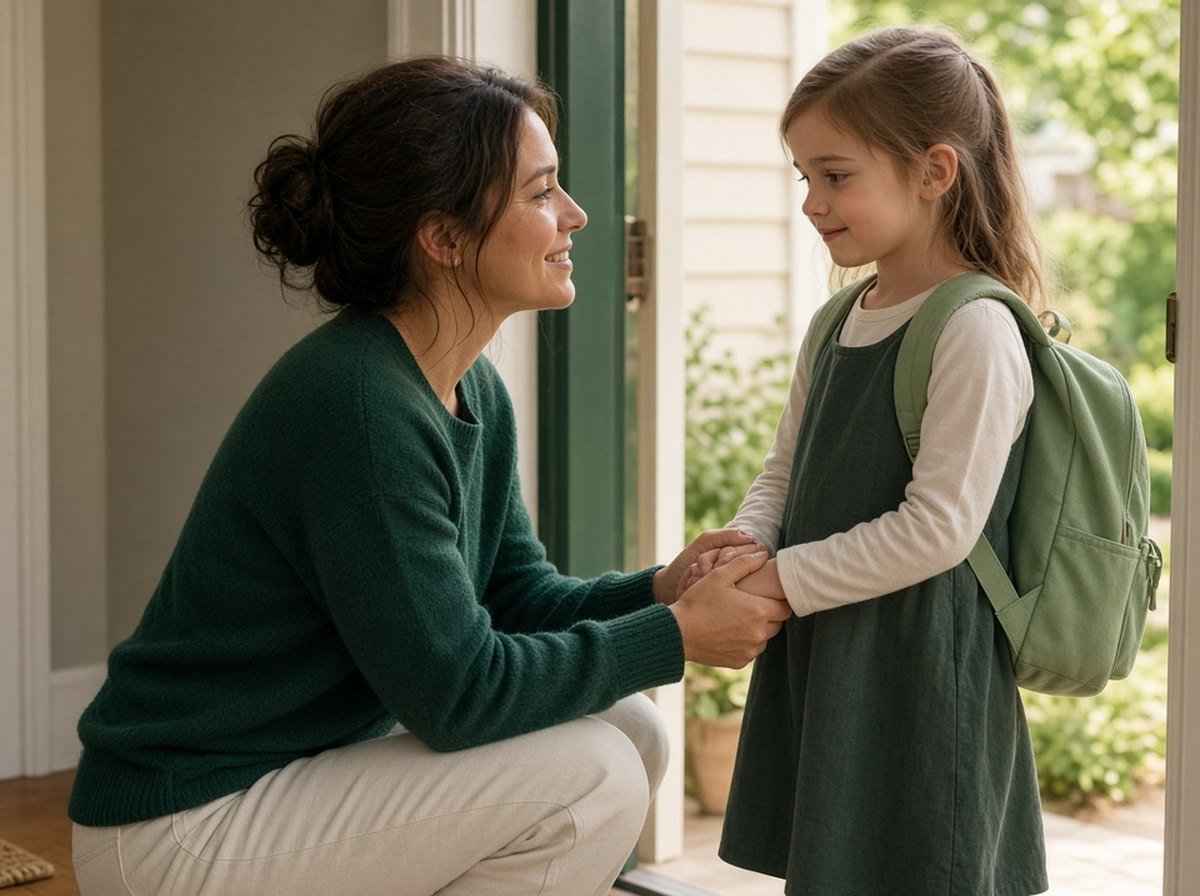
Body signs: tummy aches and headaches
Many children can't put anxiety into words. Instead, it shows up in their bodies. AboutKidsHealth notes that anxious children may complain of stomach aches, nausea, headaches, a faster heartbeat or shakiness. Mayo Clinic also lists repeated complaints of headaches or stomach aches before or during separation.
These feelings are real, not "faking it." A tummy ache on school mornings may be your child's way of telling you they're worried. Taking it seriously, while gently naming the worry, can help them feel understood.
What can set it off
Separation anxiety doesn't always have a clear cause. But it can show up or get stronger after a big change or stressful event, such as:
moving to a new home or school
a new baby in the family
parents separating or divorcing
an illness or hospital stay in the family
the death of a loved one, or even a pet
a long break, such as summer holidays, followed by a return to routine
Sometimes a child who seemed fine for years starts clinging again after a change. That's not a step backward. It's often a sign they need a little extra reassurance while they adjust.
Separation anxiety, avoiding school or something else?
Separation anxiety and refusing to go to school can overlap. A child may resist school because they don't want to leave you, but school avoidance can also come from other worries, such as friendships, schoolwork or feeling unsafe. Other fears can look similar too. Our post on what to do when a child is scared of Halloween talks about more everyday fears and how to support them.
If you're the one who struggles with being apart from loved ones as a grown up, that's a different experience with its own post on separation anxiety in adults. This guide stays with children.
How to help a child with separation anxiety at home
Wondering how to help a child with separation anxiety? These general ideas may help:
Keep goodbyes short and warm. A hug, a simple phrase and a confident goodbye can help. Lingering can make it harder.
Create a goodbye ritual. A special handshake or a "see you after school" phrase can give your child something predictable to hold on to.
Say when you'll be back. Use moments that make sense to your child, like "after lunch" or "when you get home from school."
Keep routines steady. Predictable mornings and bedtimes can lower stress.
Name the feeling. "You're worried about being apart. That makes sense. I know you can handle it, and I'll be back."
Notice brave moments. Praise effort, not just outcomes.
Stay calm yourself. Children often take cues from us. If you seem confident they'll be okay, it can help them feel safer.
If your child's worries feel too big to manage with these ideas, a child counsellor can work with you on next steps, at a pace that fits your child.
What tends to backfire
Even loving parents can fall into a few traps:
Sneaking out. It may avoid tears in the moment, but it can make a child more watchful and less trusting next time.
Long, drawn-out goodbyes. Returning again and again can tell your child there's something to fear.
Shaming or teasing. Saying "you're too old for this" can add embarrassment to anxiety.
Always letting them avoid. Staying home every time worry hits can make the fear grow over time.
It's okay if you've done some of these. Most parents have. What matters is what you try next.
Symptoms of separation anxiety disorder in children
When separation worry is intense, lasts a long time and disrupts daily life, professionals may call it separation anxiety disorder. Symptoms of separation anxiety disorder in children can include strong, ongoing distress about being apart, worry that something bad will happen to a parent, reluctance to go to school or sleep away from home, nightmares about separation and frequent physical complaints, according to Mayo Clinic. Only a qualified professional can make that assessment.
When to reach out for support
It may be time to reach out if your child's separation anxiety:
lasts for weeks without easing
makes it hard for them to go to school or join activities
disrupts sleep for your child or your family most nights
leaves them very upset, or seems to be getting worse
comes with other worries that spill into daily life
You don't need to wait until things feel unmanageable. Reaching out early can make a difference for your child and for you.
How child counselling can help
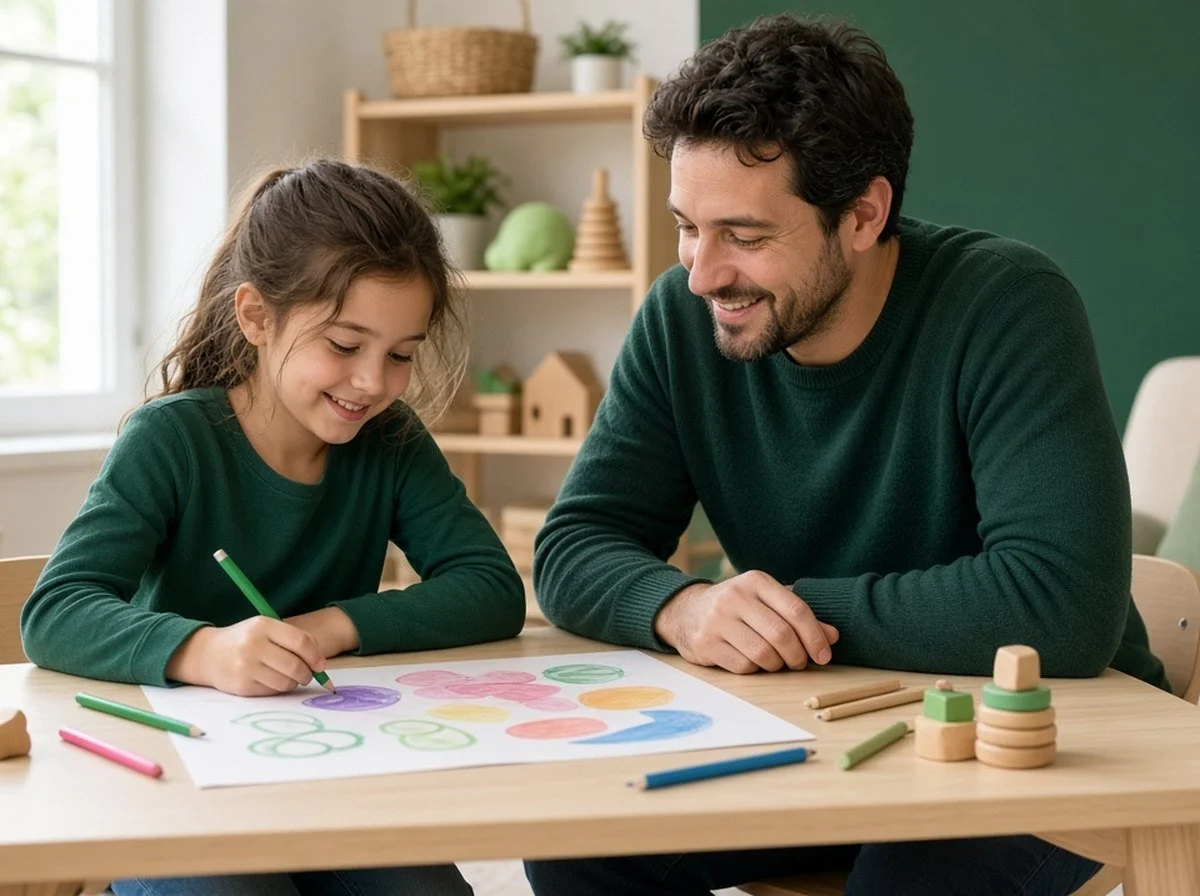
A child counsellor can help your child understand their worried feelings, learn ways to calm their body, and build confidence step by step. Counsellors often use play, drawing and conversation with younger children, and parents are usually part of the process too. You'll learn how to respond in ways that support your child's growing courage.
We offer counselling for children ages 6 and up at our Kitchener-Waterloo, Cambridge and Ottawa offices and online anywhere in Ontario. If you're unsure how to choose, our guide on how to choose a child therapist walks through what to look for, and much of it applies wherever you live.
Sessions with our therapists range from $130 to $200, depending on the clinician.
Depending on your plan, insurance may cover some or all of the cost. Coverage varies, so check your plan.
We accept Health Spending Accounts (HSAs).
We can direct bill many insurers, including for sessions with a Registered Psychotherapist (Qualifying). Desjardins is the exception: through TELUS eClaims, we can direct bill Desjardins for sessions with an RSW, RP or psychologist, but not for an RP (Qualifying).
Book a free 15-minute consultation with our admin team. Tell us a little about your child, and we'll help you find a good fit.
If you're in crisis: if you or anyone else is in immediate danger, call 911. If you're having thoughts of suicide, call or text 9-8-8 any time, day or night.
Separation anxiety can feel exhausting for the whole family. With patience and the right support, children can learn that being apart is safe and that you'll always come back.
Last reviewed: October 2026
Sources
Separation anxiety in children, MedlinePlus, U.S. National Library of Medicine (NIH)
Anxiety: Signs and symptoms, AboutKidsHealth (SickKids)