
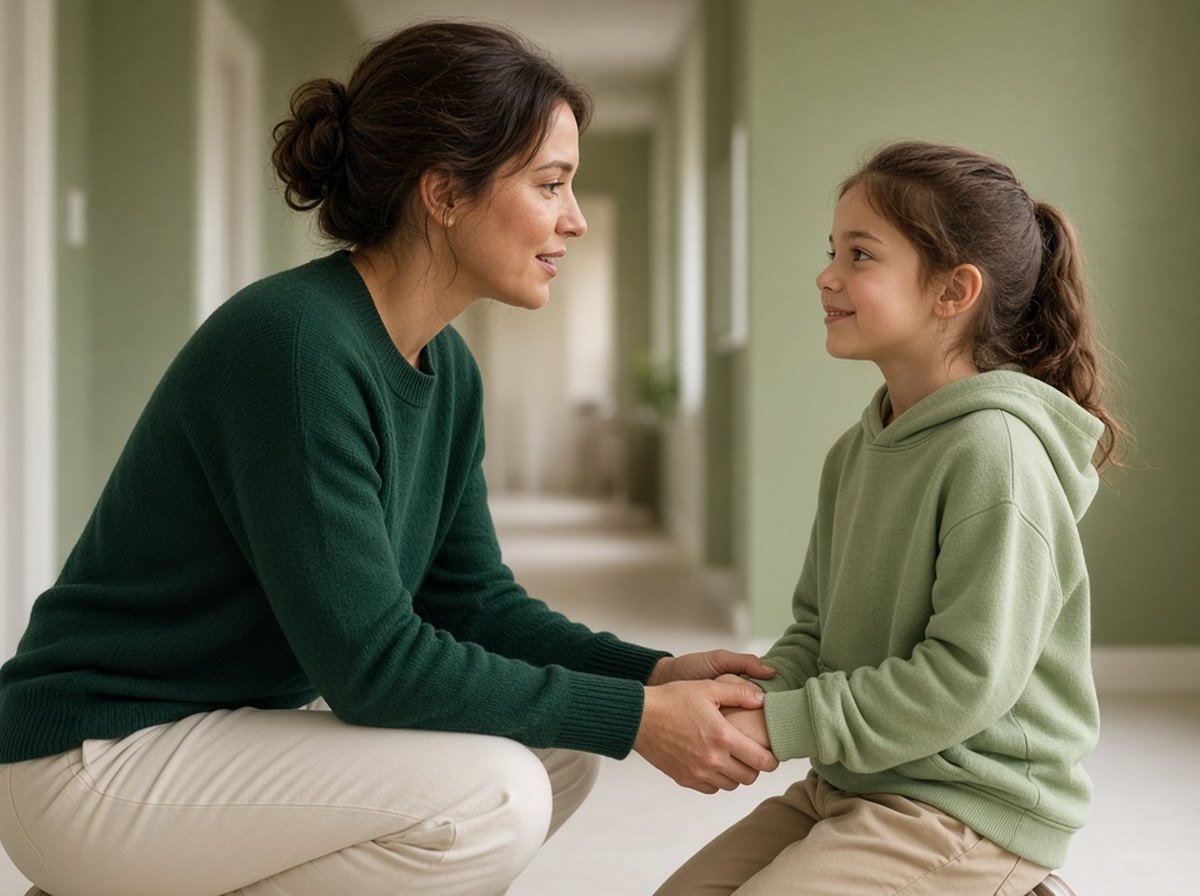
After a car accident, a frightening medical stay, a house fire or another scary event, it's natural to watch your child closely and wonder if they're okay. Most children show some stress at first, and many recover with time and support. Some don't. This guide explains the difference between normal early reactions and the signs of PTSD in children that last, what helps at home and how trauma counselling for kids can help.
This post is general information, not a diagnosis or a treatment plan. Only a qualified professional can say whether a child has PTSD.
If your child or anyone else is in danger right now, call 911.
Normal early stress after a scary event
The U.S. National Institute of Mental Health (NIMH) notes that it is typical for children and teens to have a range of reactions after experiencing or witnessing a traumatic event. In the first days and weeks, children of any age may:
complain of stomach aches or headaches
have nightmares or trouble sleeping, including not wanting to go to bed
have trouble concentrating
lose interest in things they usually enjoy
feel guilty, as if they should have stopped what happened
Younger children may cling to you, cry more, have tantrums, become more afraid of the dark or being alone, or go back to earlier behaviours like bedwetting or thumb sucking. They may also play out parts of the event with toys.
These reactions are hard to watch, but in the early weeks they are often a normal response to something abnormal. With safety, routine and comfort, many children gradually settle.
When stress lingers: signs of PTSD in children and teens
Post-traumatic stress disorder (PTSD) is when trauma reactions don't fade and keep getting in the way of daily life. NIMH suggests getting help if new problems develop, especially if signs like these continue for more than a few weeks:
Reliving the event. Flashbacks, upsetting memories that pop up or repeated nightmares.
A body on high alert. A racing heart, sweating or being very easily startled.
Emotional numbness. Seeming flat, distant or cut off from feelings.
Deep sadness. Being very sad or seeming depressed.
Other symptoms of PTSD in children can include avoiding people, places or conversations that bring back the memory, ongoing irritability or outbursts and changes in how they see themselves or the world, like "nowhere is safe."
Signs of PTSD in young children
Signs of PTSD in young children can look different from those in adults. According to NIMH, in children under 6, symptoms can include wetting the bed after being toilet trained, forgetting how to talk or being unable to talk, acting out the scary event during play and being unusually clingy with a parent or another adult.
The National Child Traumatic Stress Network (NCTSN) adds that young children's frightening images often come back as nightmares, new fears and play that reenacts the event. Because young children are still learning how cause and effect work, they may also believe their own thoughts or wishes caused what happened, and blame themselves.
Signs in older children and teens
NIMH notes that older children and teens usually show symptoms more like adults. They may also become disruptive, disrespectful or destructive, feel guilty for not preventing injury or harm or have thoughts of revenge. A teen who suddenly seems angry or reckless after a scary event may be struggling with fear underneath.
Early signs of PTSD in children: what to watch over time
Early signs of PTSD in children are often the same reactions you see in the first weeks. What matters most is the pattern:
Are things slowly getting better, or staying the same or getting worse?
Has it been more than a few weeks?
Are the signs getting in the way of sleep, play, school, friendships or family life?
Is your child avoiding more and more?
Keeping a few quick notes can help you see changes clearly and describe them later.
Signs of trauma in children beyond PTSD
Not every child who struggles after a scary event will have PTSD. Signs of trauma in children can also show up as anxiety, low mood, trouble sleeping or changes in behaviour without meeting the criteria for PTSD. These are still worth support.
Signs of post traumatic stress in children also don't always fit neatly into a list. One child may become very quiet, while another becomes loud and restless. Trust what you know about your child. A change that worries you is reason enough to ask for help, even if it doesn't match anything you've read.
Complex PTSD in children is a term you may also see. In the World Health Organization's ICD-11, complex PTSD is linked most often to prolonged or repeated events that are hard or impossible to escape. A child who has been through ongoing hardship may need a careful, gentle assessment. Our psychologists can assess for PTSD and complex PTSD.
What helps at home
You don't need perfect words. NIMH suggests that caring adults can:
Make safety the first priority. Make sure your child is safe and their basic needs are met.
Let them feel. It's okay for them to be sad or cry.
Let them share in their own way. Talking, drawing or writing about feelings can help, when they're ready.
Limit replays. Reduce exposure to news or repeated coverage of scary events.
Offer comfort at night. A light on or a little extra closeness for a short time can help.
Keep routines. Predictable meals, play and bedtimes help children feel safe.
NIMH also suggests avoiding a few things: expecting children to be brave or tough, pushing them to talk before they're ready, getting angry at strong emotions or regression, and making promises you can't keep.
Talking with your child
Follow your child's lead. Short, honest, calm answers are usually best. You might say, "That was really scary. You're safe now, and I'm here." If they blame themselves, gently tell them it wasn't their fault. Keep conversations non-graphic and age-appropriate.
How trauma counselling for kids can help
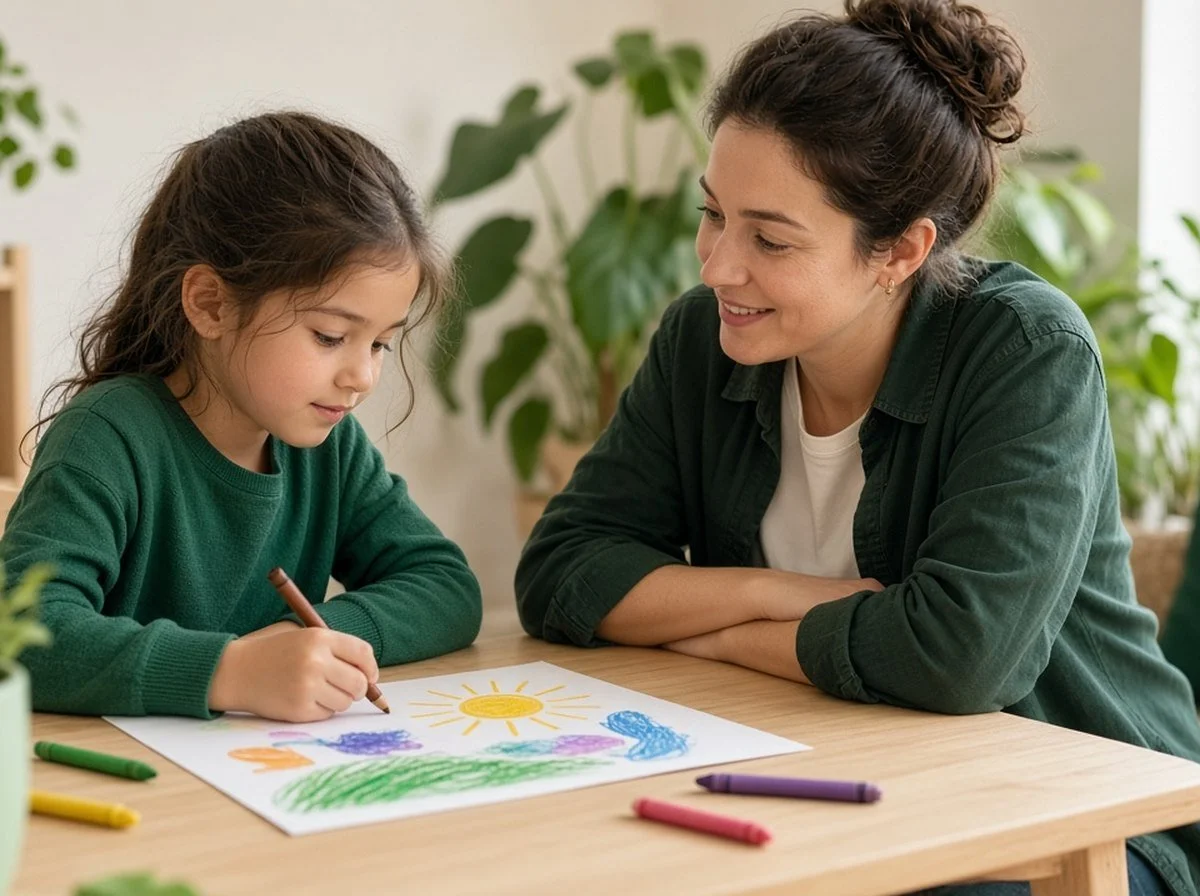
If signs last more than a few weeks or are getting in the way of life, counselling can help. A child therapist uses approaches that fit your child's age, often including play and drawing for younger kids, to help them process what happened, feel safe in their body and build coping skills. Parents are often involved, so you can learn how to support your child at home.
We offer child counselling for ages 6 and up, along with teen counselling, at every office. Learn more on our counselling for children page and our trauma and PTSD therapy page.
Our psychologists also offer psychological assessments for children 6 and up, teens and adults, including in Ottawa, if you'd like a clear picture of what's going on.
Taking care of yourself
When your child goes through something scary, you may have been affected too. Your own stress, sleep and feelings matter. Looking after yourself is part of looking after your child, and parents can get counselling too.
Getting support
We offer counselling in person in Waterloo, Kitchener, Cambridge and Ottawa, and online anywhere in Ontario on a secure, encrypted video platform.
Sessions with our therapists range from $130 to $200, depending on the clinician.
Depending on your plan, insurance may cover some or all of the cost. Coverage varies, so check your plan.
We can direct bill many insurers, including for sessions with a Registered Psychotherapist (Qualifying). Desjardins is the exception: through TELUS eClaims, we can direct bill Desjardins for sessions with an RSW, RP or psychologist, but not for an RP (Qualifying).
Book a free 15-minute consultation with our admin team to talk through what's going on and find the right fit for your child.
If you're in crisis: if anyone is in immediate danger, call 911. If you or your child is thinking about suicide or self-harm, call or text 9-8-8 any time. More options are on our crisis lines page.
Last reviewed: October 2026
Sources
Post-Traumatic Stress Disorder, National Institute of Mental Health (NIMH)
Helping Children and Adolescents Cope With Traumatic Events, National Institute of Mental Health (NIMH)
Early childhood trauma: Effects, National Child Traumatic Stress Network