

When someone your family loves dies, you may be grieving yourself while also watching your child closely, wondering how they're really doing. Children often don't grieve the way adults do, so the signs of grief in children can be easy to miss or misread. This guide explains how children grieve, the emotional, behaviour and physical signs to watch for, how grief can look at different ages, how to talk with a grieving child and when a child may need more support.
This post is general information, not a diagnosis or a treatment plan. There's no score here, and no right or wrong way for a child to grieve.
How children grieve differently from adults
Adults often describe grief as a heavy, constant weight. Children tend to move in and out of it. A child might cry about Grandpa at breakfast and be laughing with a friend an hour later.
Child Bereavement UK describes this as "puddle jumping": children dip in and out of grief, which may protect them from being overwhelmed by powerful feelings. It doesn't mean they don't care, or that they're over it. It's simply how children grieve, in smaller pieces, over time.
Ottawa Public Health notes that children may not have the words to say how they feel, so their behaviour may change instead. Play, questions and moods can all be ways of working through a loss.
Emotional and behaviour signs
Signs of grieving in children can look like many things. The Centre for Addiction and Mental Health (CAMH) and Ottawa Public Health list signs such as:
Questions, sometimes the same ones again and again, like why the person died or when they're coming back
Clinginess or worry about being apart from a parent or caregiver
Regression, such as acting younger than their age or needing more help with things they used to do alone
Anger, tantrums or pushing back on rules
Worry about others dying, especially a surviving parent
Trouble concentrating, irritability or pulling away
Being extra good, trying hard not to cause any trouble
None of these on its own means something is wrong. They're common ways children show that a loss has shaken them.

Physical signs of grief in children
Grief lives in the body as well as the mind. Ottawa Public Health notes that grief in children is often shown in physical ways, such as headaches, stomach aches or difficulty sleeping. CAMH also mentions loss of appetite and nightmares.
Physical symptoms of grief in children might include:
tummy aches or headaches
trouble falling asleep, waking at night or bad dreams
eating more or less than usual
tiredness or low energy
It can be easier for a child to say "my tummy hurts" than "I miss Grandma." Gently making room for the feelings behind the complaint can help.
What grief can look like at different ages
How children grieve also depends on their age and stage of development. In general terms, CAMH notes that very young children may not understand that death is final, and that children around five to eight are learning to see death as final for all living things.
School-age children may want concrete details and ask direct questions. Ottawa Public Health notes that children under 10 might become afraid of getting sick and dying, or worry that another parent will die too.
Older children and preteens usually understand what has happened, but may feel uncomfortable talking about it. Teens may turn to friends more than family, or seem fine at home while struggling inside. Grief in school-age children and teens can look quiet, so check in even if they say they're okay.
When a child seems fine
Some parents worry when their child doesn't seem sad at all. Remember that children grieve in bursts. A child who seems fine may be taking in the loss slowly, or waiting until they feel safe to let feelings out.
Grief can also return later. A birthday, the first day of school, a holiday or a new stage of understanding as they grow can bring the loss back. This is normal. It doesn't mean they're going backwards. It means they're making sense of the loss in a new way.
Are there stages of grief in children?
You may have heard of stages of grief. Children rarely move through any neat set of steps. Their feelings can come in any order, return again and overlap. Rather than watching for stages, it can help to notice how your child is doing day to day, and to keep the door open for talking.
How to talk with a grieving child
You don't need perfect words. Some ideas that can help:
Be honest and simple. Ottawa Public Health suggests clear words like "died" rather than phrases like "went to sleep," which can confuse children or make bedtime scary.
Answer questions, even repeated ones. Repetition is part of how children make sense of things.
Name feelings. "You seem sad today. I'm sad too. It's okay to miss her."
Keep routines. Familiar meals, bedtimes and activities help children feel safe.
Remember together. Looking at photos, sharing stories or making something in the person's memory can comfort a child.
Let them play. Play is one of the ways children cope.
It's okay for your child to see you sad. Showing them that grief can be shared, and that you're still there to care for them, can be reassuring. Look after yourself too. Your own rest, meals and support help you stay steady for your child, and it's okay to ask others to help with practical things.
Signs a child may need more support
Grief isn't something to fix, and many children cope with loving support at home. Parents sometimes search for signs of complicated grief in children when grief seems stuck or very heavy. This post can't tell you whether that's what's happening, and you don't need a label to ask for help. It may be worth reaching out if you notice:
changes that are very intense or last a long time
strong guilt, or a belief that they caused the death
pulling away from friends and activities they used to enjoy
big ongoing changes in sleep or eating
trouble at school or home that keeps getting worse
acting much younger than their age for a long time
If a child talks about wanting to die, or wanting to be with the person who died, take it seriously. Stay with them, and call or text 9-8-8 for support, or call 911 if they are in danger.
How grief counselling can help children and families
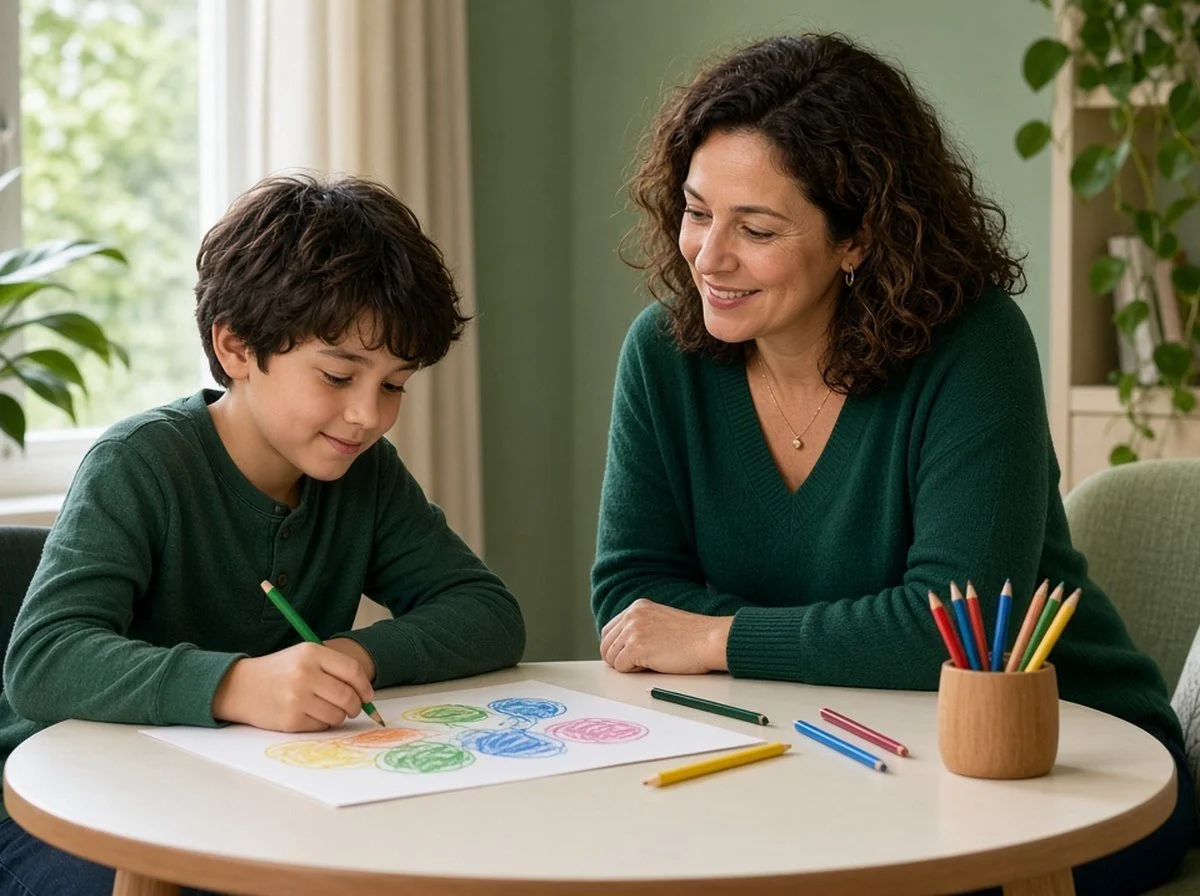
A counsellor can give a grieving child a safe place to explore their feelings, often through talking, play and creative activities. Counselling can also help parents understand what their child is going through, and find ways to support them while grieving themselves.
We offer grief counselling for children, teens and adults at our Kitchener-Waterloo, Cambridge and Ottawa offices and online. Our counselling for children is for kids 6 and up.
Sessions with our therapists range from $130 to $200, depending on the clinician.
Depending on your plan, insurance may cover some or all of the cost. Coverage varies, so check your plan.
We accept Health Spending Accounts (HSAs).
We can direct bill many insurers, including for sessions with a Registered Psychotherapist (Qualifying). Desjardins is the exception: through TELUS eClaims, we can direct bill Desjardins for sessions with an RSW, RP or psychologist, but not for an RP (Qualifying).
Book a free 15-minute consultation with our admin team. Tell them a little about your child and your family's loss.
If you're in crisis: if you're thinking about suicide or self-harm, or anyone is in danger, call or text 9-8-8 or call 911. More options are on our crisis lines page.
You don't have to find all the answers on your own. Support for your child, and for you, is here.
Last reviewed: October 2026
Sources
Grief and Loss (Children), Ottawa Public Health