
Maybe you've noticed that your mom worries about every phone bill, or your dad has stopped driving to see friends. Or perhaps you're the one lying awake at night, turning the same worries over and over. Anxiety isn't just a younger person's problem. It can show up in later life too, sometimes in ways that are easy to miss. Here's what the signs of anxiety in older adults can look like, why it happens and how support can help.
This post is general information, not a diagnosis. Only a qualified professional can assess what you're experiencing.
Is anxiety common in older adults?
Yes. Anxiety is common in later life, though research suggests it's somewhat less common than in younger adults. In a comprehensive review, Kate Wolitzky-Taylor and colleagues found that anxiety disorders are common among older adults and often occur alongside depression and medical illnesses.
That overlap is one reason anxiety in seniors can be overlooked. Worry might be blamed on a health condition, or tiredness and poor sleep might be put down to "just getting older." The same review noted that assessing anxiety in older adults can be complex, which is another reason it's worth paying attention.
The good news is that anxiety in later life is treatable, and it's never too late to feel calmer.
Signs of anxiety in older adults
Anxiety can look a little different from person to person. According to the National Institute of Mental Health (NIMH), signs of anxiety can include:
worrying excessively about everyday things
feeling restless, on edge or unable to relax
feeling irritable more often
having trouble falling or staying asleep, or feeling tired
finding it hard to concentrate
In older adults, family members may also notice behavioural symptoms, such as:
Avoiding outings. Turning down invitations, skipping appointments or no longer going to favourite places.
Giving up driving or travel. Sometimes because of worry rather than a practical reason.
Needing a lot of reassurance. Calling family often to check that everyone is okay.
Constant worry about health, money or family. Concerns that seem bigger than the situation.
Physical tension. Tight muscles, a clenched jaw or always seeming on edge.
Sticking rigidly to routines. Feeling upset when plans change.
These are general signs, not a test. Only a qualified professional can assess whether anxiety is the cause. But if several of these show up most days and get in the way of life, they're worth talking about.
Why anxiety can show up later in life
Later life can bring a lot of change, and change can stir up worry. Some common triggers include:
Health changes. A new diagnosis, a fall or ongoing pain can make the future feel uncertain.
Loss. The death of a spouse, friends or siblings can bring grief along with fear.
Retirement. Losing work routines, purpose and social contact can be unsettling.
Living alone. Fewer people around can mean more time alone with worries.
Money concerns. A fixed income or rising costs can create ongoing stress.
Changing roles. Relying more on others, or caring for a partner, can shift how you see yourself.
Anxiety and depression often travel together. If you're also noticing low mood, loss of interest or withdrawal, our post on signs of depression in older adults covers what to watch for.
Anxiety or just getting older?
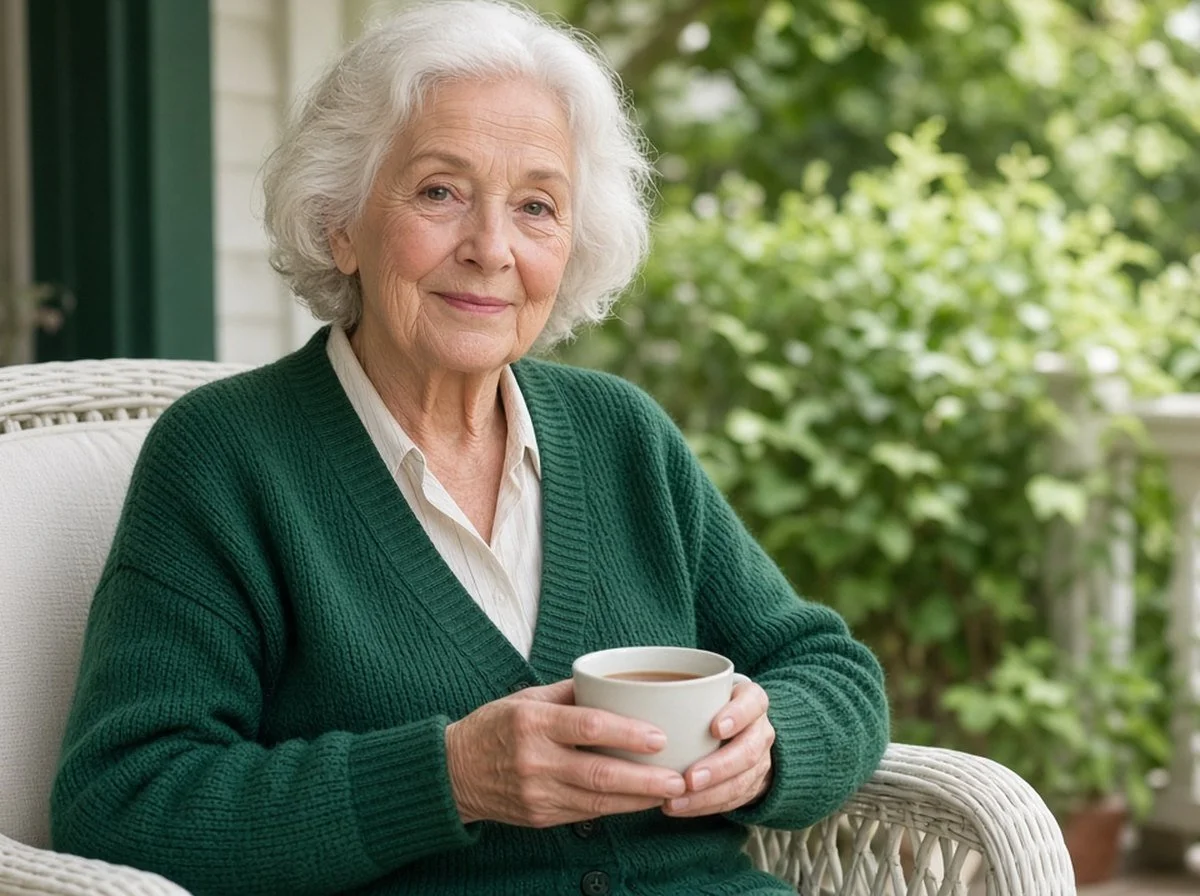
It's normal to have some worries as you age. Thinking about health, family or money is part of life. The difference is in how much space the worry takes up.
Worry may be anxiety when it:
is there most days, for weeks or months
feels hard to control or switch off
leads you to avoid things you used to enjoy
affects sleep, appetite or relationships
If that sounds familiar, it's worth reaching out. You don't have to accept constant worry as part of getting older.
Many older adults notice that anxiety feels worse at night. When the house is quiet and there's nothing to distract you, worries can grow louder. A calming evening routine, such as dimming the lights, listening to soft music or writing worries down before bed, can help some people. If night-time worry is keeping you up regularly, it's a good thing to raise in counselling.
One important note: a sudden change in an older person, such as sudden confusion or not making sense, is different from anxiety. If you see that, call 911 right away.
How to talk with an older parent about anxiety
If you're worried about a parent or older relative, starting the conversation can feel awkward. Many older adults grew up at a time when mental health wasn't discussed openly. A gentle, respectful approach helps:
Be curious, not critical. Try "You've seemed more worried lately. How are you feeling?"
Avoid labels. Talk about what you've noticed, like sleep or skipping outings, rather than saying "You have anxiety."
Listen more than you talk. Let them share without rushing to fix things.
Normalize support. Mention that lots of people talk to a counsellor about stress and worry.
Offer practical help. Offer to help find a therapist, book a consultation or set up an online session.
Respect their choices. Unless there's a safety concern, the decision is theirs.
If your parent brushes off the idea at first, that's common. Pride, privacy and worry about being a burden can all get in the way. Try coming back to it later, perhaps after a hard day when they mention feeling worried. Sharing your own experience with stress or counselling, if you're comfortable, can also make the topic feel less heavy and more ordinary.
It may take more than one conversation. Planting the seed can still make a difference.
Whether you're reaching out for yourself or for someone you love, support is available, and it can fit around health, mobility and schedules.

How counselling can help older adults with anxiety
Counselling gives older adults a calm, respectful space to talk about worries and learn new ways to manage them. Cognitive behavioural therapy (CBT) is one approach with research behind it. The Wolitzky-Taylor review found that CBT has shown benefit for older adults with anxiety.
In counselling, an older adult can:
understand what's driving their worry
learn practical tools to calm the body and mind
gently face situations they've been avoiding
talk through grief, health changes or life transitions
rebuild routines and connections that feel good
At Transformation Counselling, our therapists support anxiety in older adults and people of all ages. We offer counselling at our Kitchener-Waterloo, Cambridge and Ottawa offices, and online anywhere in Ontario. Online counselling can be a great option if getting out is hard, and adult children are welcome to help set things up.
On the practical side, we can direct bill many insurers, including for sessions with a Registered Psychotherapist (Qualifying). Desjardins is the exception: through TELUS eClaims, we can direct bill Desjardins for sessions with an RSW, RP or psychologist, but not for an RP (Qualifying). Coverage depends on your plan, so check with your insurer.
Not sure where to begin? Book a free 15-minute consultation with our admin team. An older adult can call for themselves, or a family member can call to ask questions first.
If you're in crisis: if you or someone you love is in immediate danger, call 911. If you're thinking about suicide, call or text 9-8-8 any time, day or night.
Worry doesn't have to be the price of getting older. With the right support, later life can feel calmer, more connected and more like you.
Last reviewed: October 2026
Sources
Wolitzky-Taylor KB, Castriotta N, Lenze EJ, Stanley MA, Craske MG. Anxiety disorders in older adults: a comprehensive review. Depression and Anxiety, 2010;27(2):190-211 (PubMed 20099273)
Generalized Anxiety Disorder: When Worry Gets Out of Control, National Institute of Mental Health (NIMH)
Older Adults and Mental Health, National Institute of Mental Health (NIMH)