
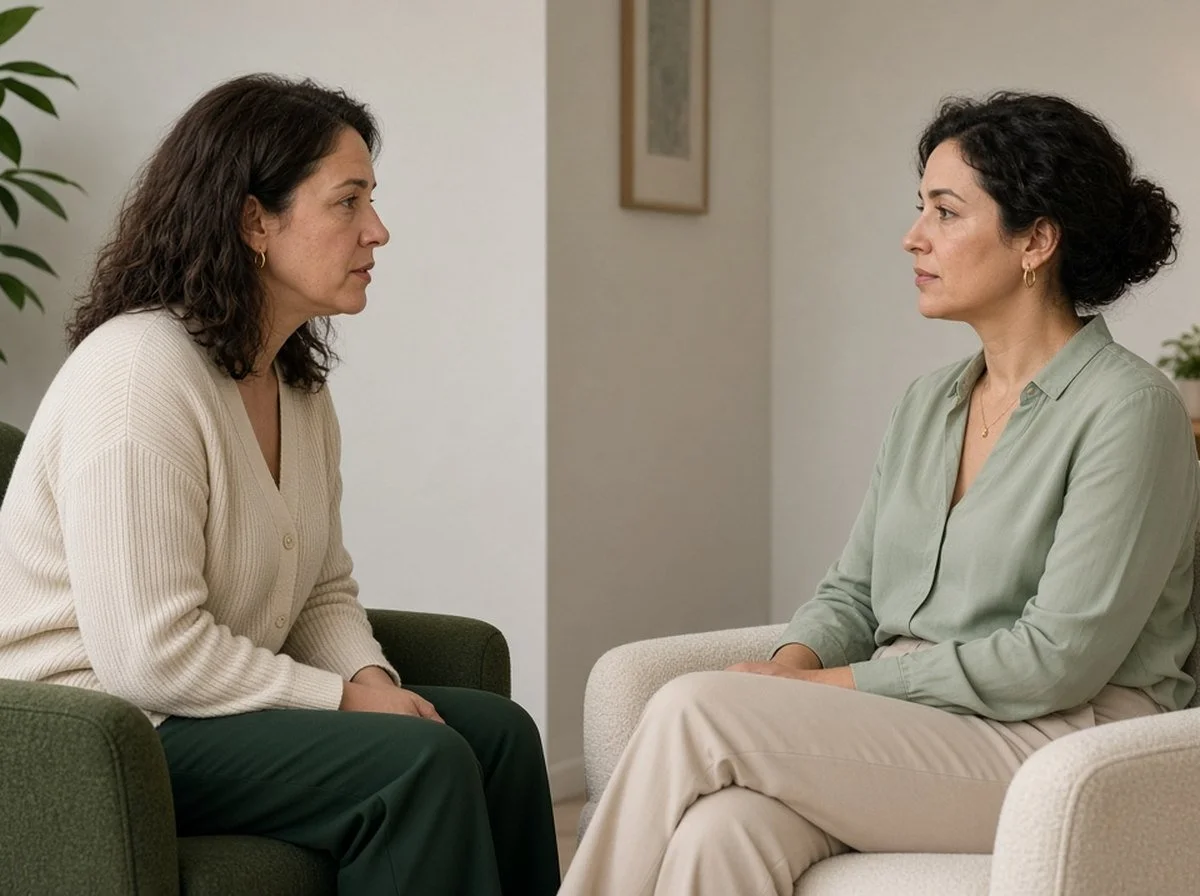
If you have been sexually abused or assaulted, you may carry it in ways that are hard to explain. It might have happened last month or many years ago. You might have told no one, or told someone and not felt heard. Whatever your story, you deserve support that goes at your pace. Sexual abuse counselling in Cambridge offers a safe, private place to start. This post explains common after-effects, what therapy can look like, your choices about reporting and privacy, and how to take a first step that feels manageable.
This post is general information, not a diagnosis or legal advice. A qualified therapist can talk with you about your own situation.
Sexual abuse counselling in Cambridge, you set the pace
Sexual abuse counselling in Cambridge is for adults 18 and up. It doesn't matter whether the abuse was recent or long ago, by a stranger or by someone you knew and trusted. It doesn't matter whether you fought back, froze or went along to stay safe. What happened was not your fault.
Many people worry that therapy means telling every detail. It doesn't. You never have to tell the whole story to begin. Some people talk about what happened early on. Others spend a long time on how they feel today before they say anything about the past. Both are okay. You decide what to share, and when.
Sexual assault counselling in Cambridge can happen in person at one of our two Cambridge offices or online from home, anywhere in Ontario.
Common after-effects, in plain words
Sexual abuse and assault can affect the body and mind in many ways (see Sources). You might notice:
Memories or flashbacks that come out of nowhere
Avoiding places, people or situations that remind you of what happened
Feeling on edge, jumpy or unable to relax
Trouble sleeping or nightmares
Shame, guilt or blaming yourself
Trouble trusting others, or feeling unsafe with closeness or intimacy
Feeling numb, cut off or far away from your own life
Low mood, anxiety or anger that is hard to explain
These are common reactions to a frightening and painful experience. They don't mean something is wrong with you, and they don't mean you are weak. Only a qualified professional can make a diagnosis, but you don't need a diagnosis to get support.
When the abuse happened in childhood
Some people don't feel the effects of childhood abuse until many years later. A new relationship, becoming a parent, a loss or even a news story can bring old feelings to the surface. Others have felt the effects all along but didn't connect them to what happened. Some feel confused because they loved or depended on the person who hurt them. Mixed feelings like these are common, and they are welcome in therapy.
Childhood sexual abuse counselling for adults can help you make sense of how the past still shows up today. It can help with trust, self-worth, relationships and the feelings you may have carried alone for a long time.
It is never too late to get support. There is no deadline for healing.
What therapy for sexual abuse survivors can look like
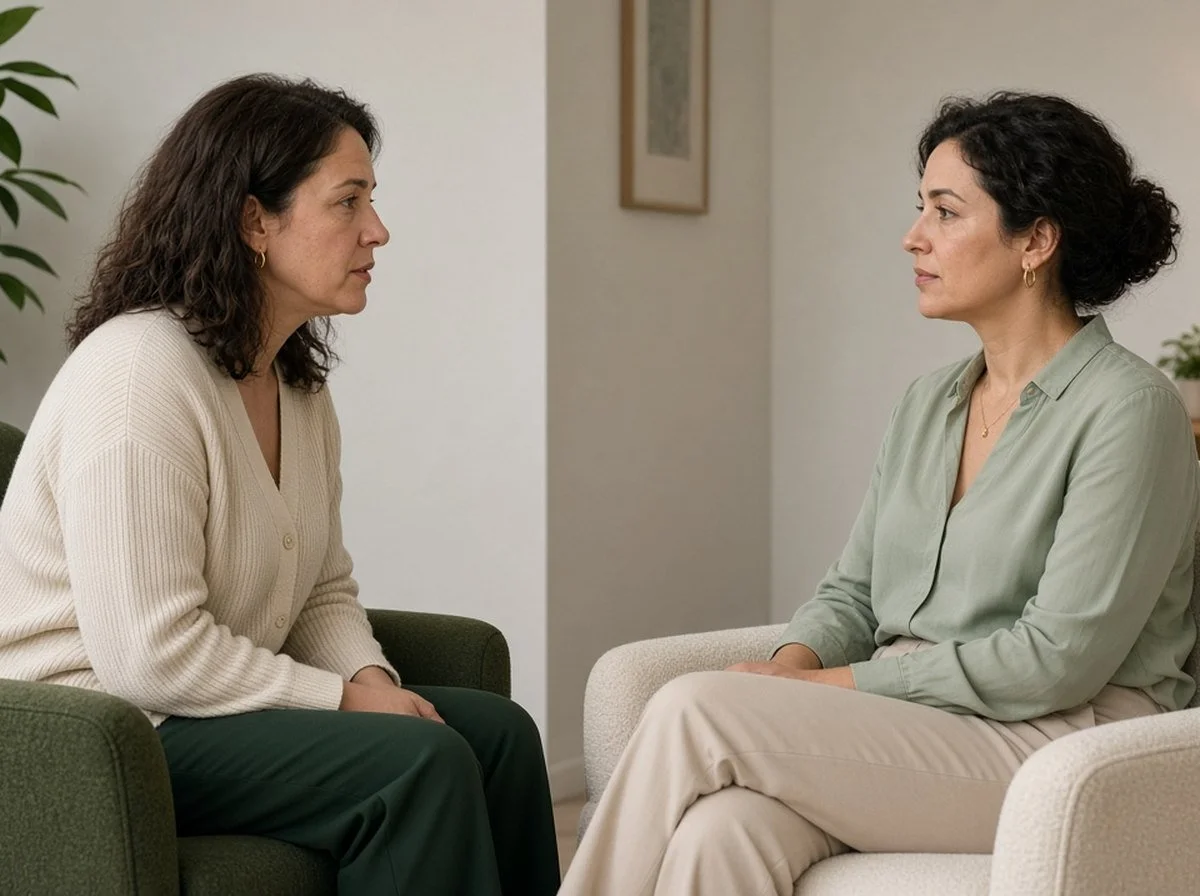
Therapy for sexual abuse survivors usually starts with safety. Before looking at painful memories, you and your therapist work on feeling steadier in the present. This might include grounding skills that help you come back to the here and now when a memory hits. It might also include ways to calm your body and sleep better.
From there, your therapist will talk with you about approaches that might fit. These could include:
Cognitive behavioural therapy (CBT) to look at painful beliefs, like "It was my fault"
Skills from dialectical behaviour therapy (DBT) to help with strong feelings and urges
Mindfulness to help you notice what is happening in your body without being swept away
Narrative work to help you tell your story in your own words, in your own time
You choose together. Research on adults with post-traumatic stress has found that trauma-focused therapies have good evidence of helping (see Sources). Your therapist will explain each option in plain words, and you can always say no or ask to slow down.
Reporting, privacy and your choices
You don't have to report to police to get counselling. That choice is yours, and there is no pressure either way. Some people decide to report, some decide not to, and some take a long time to decide. A therapist can support you whatever you choose.
Many people also wonder what stays private. At the start, your therapist will explain what is kept private and the rare times when they may have to share information. This way, there are no surprises. You can ask questions about this at any time.
If you are dealing with violence from a partner or someone you live with now, couples sessions are not the right first step where there is fear, threats or control. Individual support is a safer place to start. You can learn more about our support for survivors of violence.
Trauma therapists in Cambridge
Two of our Cambridge therapists list trauma on their profiles and are accepting new clients:
Heather Kerr, RSW. Sees adults in person in Cambridge and online across Ontario. Learn more about Heather Kerr.
Navreen Dhillon, RSW. Sees clients at our 73 Water St N office and online. Learn more about Navreen Dhillon.
Finding a trauma therapist in Cambridge you feel safe with matters. It is okay to ask questions, and it is okay to change therapists if the fit isn't right. The free consultation is a low-pressure first step. You don't have to share any details about what happened on that call.
If coming in feels like too much
For some survivors, walking into an office feels like a big step. That's okay. You can start online, from a private space at home, anywhere in Ontario. You get a secure video link by email, and there is nothing to download.
Later, if you want to, you can move to in-person sessions at our offices at 188 Main Street in Galt City Centre or 73 Water St N. Or you can stay online. There is no right way to do this.
Looking after yourself between sessions
Healing is not only what happens in the therapy room. Small, steady things between sessions can help you feel a little safer in your own life:
Keep a simple routine. Regular meals, sleep and time outside can help your body settle.
Have a grounding plan. Pick two or three things that help when a memory hits, like naming five things you can see, holding something cold or calling a friend.
Choose safe people. You don't have to tell everyone. One or two people you trust can make a big difference.
Go easy on yourself. Some days will be harder than others, especially around anniversaries, news stories or reminders. That is normal.
If something in this post brought up hard feelings, take a break and do something kind for yourself.

Cost, billing and your first step
Sessions with our therapists range from $130 to $200, depending on the clinician.
We accept Health Spending Accounts (HSAs).
We can direct bill many insurers. Coverage depends on your plan, so check with your insurer before you start.
Book a free 15-minute consultation with our admin team. You only need to say you're looking for trauma support, and whether you prefer Cambridge or online. They'll help you find a good fit.
If you're in crisis: if you are afraid for your safety right now, or someone is in immediate danger, call 911. If you're thinking about suicide, call or text 9-8-8 any time, day or night.
Last reviewed: October 2026
Sources
Posttraumatic stress disorder, Centre for Addiction and Mental Health (CAMH)
Psychological therapies for post-traumatic stress disorder in adults: systematic review and meta-analysis, Lewis and colleagues, European Journal of Psychotraumatology, 2020
Post-traumatic stress disorder, National Institute of Mental Health