
Is phone addiction real? “Phone addiction” is a common way to describe phone use that feels out of control, but it is not an official diagnosis. Researchers often call it problematic smartphone use. What matters most is whether your use gets in the way of the life you want.
You do not have to throw your phone away to change the habit. Phones are useful. They help you stay in touch, find information, and get through a busy day. The trouble starts when checking it stops feeling like a choice. The goal is to use yours on purpose, and to notice when it has become the way you cope with boredom, stress, anxiety or loneliness.
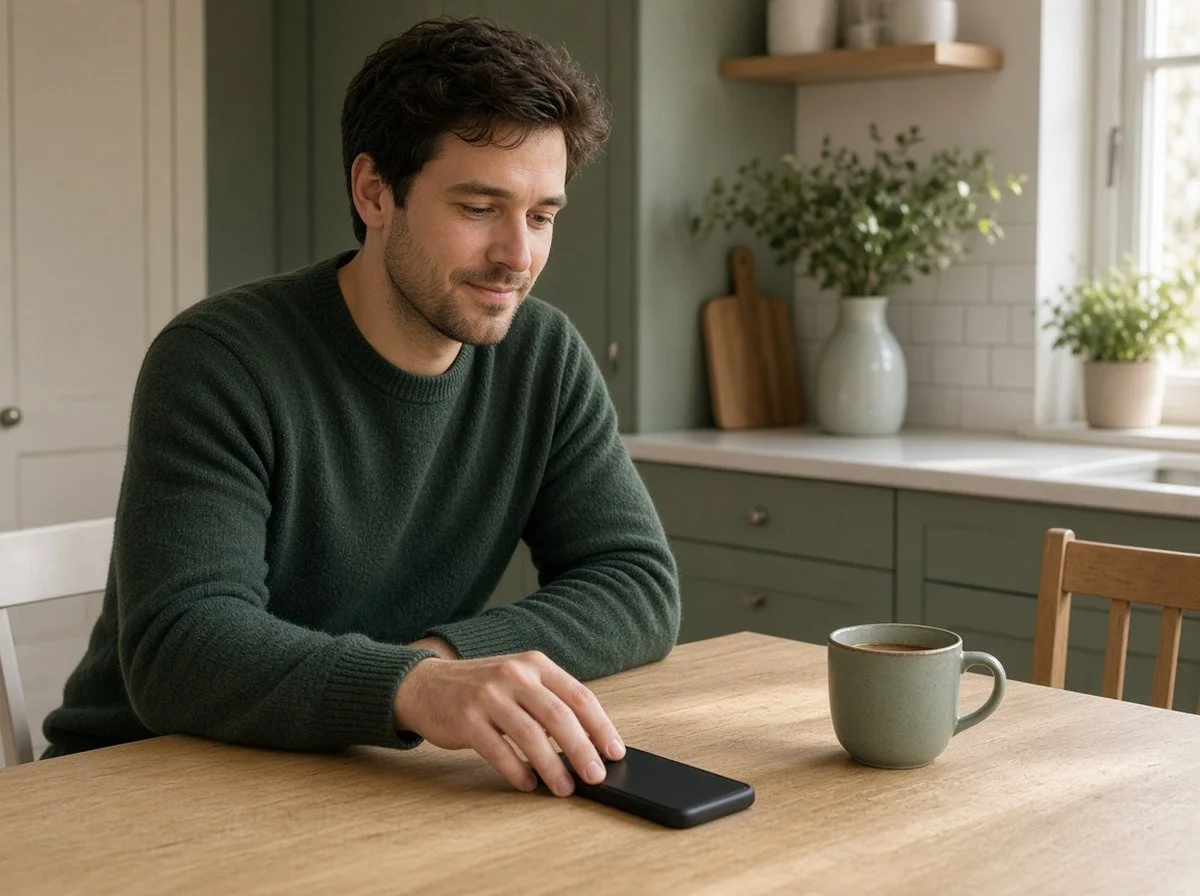
Is phone addiction real, the short answer
The word addiction is serious, and it can make people feel ashamed or defensive. A review by Panova and Carbonell looked at research on “smartphone addiction” and concluded that there is not enough support, at this time, to treat it as an addiction in the clinical sense. They suggest terms such as problematic or maladaptive smartphone use instead.
That does not make the struggle imaginary. If you lose hours you did not mean to spend, feel tense without your phone, or keep trying to cut back and slipping, the problem is real enough to take seriously. The label matters less than the effect on your days.
Signs your phone use may be a problem
There is no official score you need to “pass.” These are signs worth noticing:
You reach for your phone without deciding to, even during a conversation or a task you care about.
You lose track of time and look up to find that far more time has passed than you planned.
You feel anxious, restless or irritable when you cannot check it.
You use it to avoid feelings, awkward moments or tasks you have been putting off.
Late-night use is cutting into your sleep.
You have tried to cut back and have not been able to stick with it.
People close to you have raised it.
One or two of these, once in a while, is common. Several of them, most days, is a signal that the habit has grown teeth.
Why your phone is so hard to put down
Phones are designed to keep your attention. Notifications arrive at unpredictable times. A new message, a like or a fresh item in a feed can feel rewarding, so you check “just once more.” The feed never really ends, which makes it easy to keep scrolling.
The phone also offers quick relief. When you feel bored, stressed, lonely or uneasy, it is right there. For a few minutes, the discomfort fades. Then you look up, and the feeling is often still waiting. That relief loop is one reason cutting back feels harder than it “should.”
It can also become automatic. You pick it up in a lineup, at the kettle, or in a quiet room, not because you need anything, but because your hand already knows the path. Once a habit is that practised, willpower alone is a thin plan. Changing the setup around the phone usually helps more than scolding yourself.
Some people with ADHD find phones especially hard to put down, because a stream of new information can be very absorbing. That is a reason to be kinder with yourself, not a reason to diagnose anything from this page.
What problematic phone use can do to sleep, mood and focus
Late-night scrolling can push bedtime later and make the next day feel foggy. It is also harder to focus when part of your attention is waiting for the next ping.
A systematic review by Elhai and colleagues found that problematic smartphone use was associated with anxiety and depression symptoms. Association is not the same as cause. Heavy use may follow low mood, or low mood may follow heavy use, or both may feed each other. Either way, if your mood, sleep or focus has been slipping as your phone use has climbed, it is worth paying attention.

News feeds that never stop can add to that strain. Our post on doomscrolling looks at that specific habit. Phone habits can also change how close you feel to a partner. Our post on phone use and relationships talks about that side of things.
How to break the habit, step by step
You do not have to do all of this at once. Pick one or two steps and treat slips as information, not failure.
Notice your patterns for a few days. When do you pick up the phone, and what are you feeling just before you do?
Turn off notifications that are not essential. If a ping is not about a real person who needs you, it can often wait.
Keep the phone out of the bedroom, and use a regular alarm clock or another non-phone alarm.
Move the most tempting apps off your home screen, or switch the display to greyscale, so opening them takes a little more effort.
Set a few phone-free times, such as meals or the first 30 minutes of the day.
Replace, do not just remove. Have something ready for the gap: a book, a short walk, a glass of water, a text to a friend, or a simple stretch.
Be kind when you slip. A slip is a chance to notice the trigger, not proof that you cannot change.
Small, repeatable changes usually last longer than a harsh reset.
When cutting back is not enough
Sometimes the phone is not the whole problem. It may be how you cope with anxiety, low mood, loneliness or stress. If you cut back and the uneasy feeling rushes in, that feeling deserves care too. The phone may have been covering something that now needs a closer look.
If you have tried the steps above and the habit still runs the day, or if you feel worse when you try to put the phone down, it may be time for more support. The same is true if sleep, work or your relationships are suffering, and cutting back on your own has not been enough. You do not have to wait until things feel unmanageable.
How counselling can help
Counselling can help you look at the habit and at what sits underneath it. Together, you and a therapist can slow down the moments when you reach for the phone, notice what you were feeling, and try a different next step. CBT, or cognitive behavioural therapy, can be a useful way to work with the thoughts and patterns that keep you reaching for the phone, and to practise new responses in daily life.
We offer individual counselling at our Kitchener-Waterloo, Cambridge and Ottawa offices, online across Ontario, or by phone. We offer one-on-one counselling, not group programs.
If you are thinking about suicide, call or text 9-8-8. If anyone is in immediate danger, call 911.
If your phone has become the way you cope, you do not have to sort it out alone. Book a free 15 minute consultation, in person, online or by phone. We can direct bill many insurers, including for RP (Qualifying) clinicians. Coverage depends on your plan, so it is worth confirming with them. Booking does not commit you to anything, and the call is not a crisis service.
Last reviewed: November 2026