
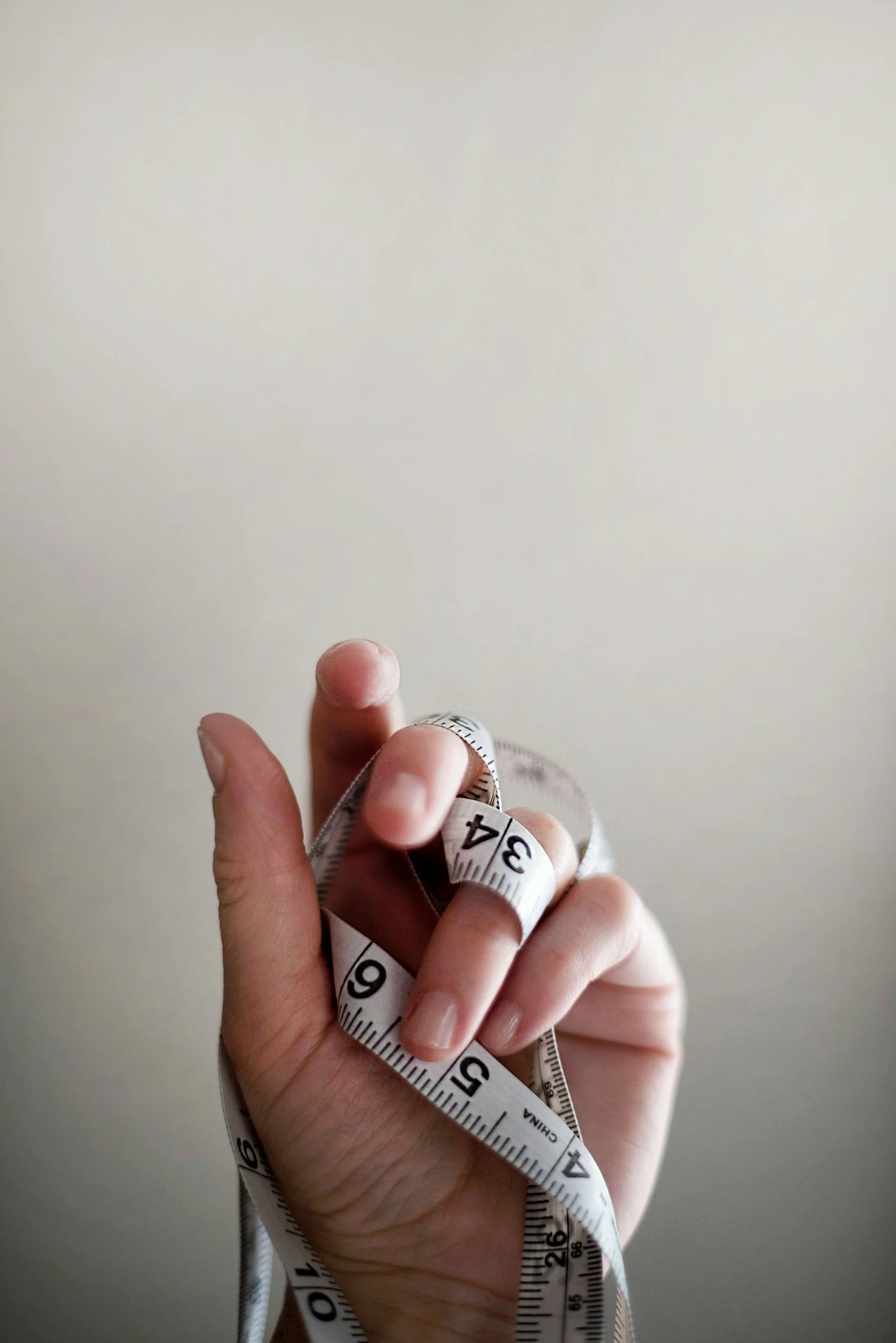
The Pressure to Be Perfect: Understanding Body Image and Self-Esteem
In a society saturated with curated photos, diet fads and idealized bodies, it's easy to feel like we don't measure up. From magazine covers to social media feeds, unrealistic body image standards bombard us daily. They whisper that thinness equals beauty, that muscle defines worth and that age must be erased. These messages can erode our self-esteem, fueling disordered eating, compulsive exercise and chronic dissatisfaction. Understanding how unrealistic body ideals take root—and learning how to challenge them—are key steps toward building healthy self-esteem.
Why Unrealistic Body Standards Are Harmful
Unrealistic body standards aren’t just frustrating; they can have serious consequences:
Mental health issues: Constant comparison to impossible ideals contributes to anxiety, depression and eating disorders. People may feel shame or guilt about their bodies, no matter how healthy they are.
Body dissatisfaction: When you internalize narrow standards, you might constantly critique your appearance. This dissatisfaction can lead to dieting cycles and disordered eating patterns.
Reduced self-worth: Equating your value with appearance diminishes the importance of your character, talents and relationships.
Social isolation: Feeling self-conscious may cause you to withdraw from social activities or avoid things you enjoy, such as swimming or wearing certain clothes.
Physical health risks: Extreme dieting or over-exercising to meet unrealistic ideals can lead to nutrient deficiencies, hormonal imbalances and injury.
Recognizing these harms helps motivate change on both personal and societal levels.
How Media and Culture Shape Body Image
Body ideals are shaped by many forces:
Social media: Platforms amplify images of "perfect" bodies, often filtered or altered. Influencers may promote diet products or workouts that promise transformation. Algorithms reinforce what you engage with, creating a feedback loop.
Advertising: Marketing campaigns often feature a single body type. Even when brands promote diversity, token representation can still frame other bodies as exceptions.
Family and peers: Comments from loved ones about weight or appearance—intentional or not—can reinforce the idea that thinness is good and larger bodies are bad.
Cultural norms: Some cultures idolize a particular body shape or size. Others may shame or stigmatize those who don’t conform.
Fitness and wellness industry: Messages about "clean eating," detoxes and "bikini bodies" can disguise diet culture as health. Exercise is framed as punishment for eating rather than celebration of movement.
Understanding where these messages come from allows you to question their validity and limit their influence.
Building Healthy Self-Esteem and Body Positivity
Body positivity isn’t about loving every part of your appearance all the time. It’s about appreciating your body’s functionality and rejecting the notion that only certain bodies are worthy. To foster a healthier relationship with yourself:
Cultivate self-compassion. Speak to yourself as you would to a friend. Replace harsh self-criticism with kind affirmations like "My worth isn’t defined by my weight" or "I am grateful for what my body can do."
Diversify your feed. Follow social media accounts that celebrate body diversity, aging, disability and different ethnicities. Seeing a range of bodies helps normalize your own.
Challenge diet culture. Recognize that diets often fail and can harm your physical and mental health. Practice intuitive eating by listening to your body’s hunger and fullness cues instead of external rules.
Move for joy, not punishment. Choose physical activities you enjoy—dance, yoga, walking, team sports. Movement should enhance well-being, not serve as penance for eating.
Set boundaries with media. Limit exposure to content that triggers comparison. Curate your environment by unsubscribing from magazines, accounts or shows that promote unrealistic standards.
Focus on function. Appreciate how your body supports you every day—breathing, walking, hugging loved ones. Write down things you’re grateful for about your body beyond appearance.
Seek supportive communities. Surround yourself with friends and groups that value you for who you are. Supportive relationships reinforce that your worth is inherent and not dependent on looks.
Building self-esteem is an ongoing process. Patience and practice make a difference.
Supporting Others Struggling With Body Image
If someone you know battles with body dissatisfaction or disordered eating, your support matters:
Avoid appearance-based comments. Compliments about weight loss or body shape, even well-intentioned, can reinforce unhealthy focus on appearance. Instead, praise qualities like kindness, creativity or perseverance.
Listen without judgment. Provide a safe space to share feelings. Validate their emotions without offering unsolicited advice.
Model healthy attitudes. Speak positively about your own body. Children and teens, in particular, notice how adults talk about their appearance.
Encourage professional help. If a friend or family member struggles with disordered eating or severe body image issues, suggest reaching out to a counsellor or medical professional.
Educate yourself. Learn about body positivity and Health at Every Size (HAES). Understanding the complexities of body image helps you offer more informed support.
Your empathy can help someone move toward healing.
When to Seek Professional Help
Sometimes, body image struggles go beyond self-help strategies. If you or a loved one experiences:
Obsessive thoughts about weight, food or exercise
Extreme dieting or binge eating
Purging, laxative misuse or compulsive exercise
Severe anxiety, depression or isolation because of body image
Rapid weight loss or gain with physical symptoms
A mental health professional can provide specialized support. Therapists trained in eating disorders and body image issues use approaches like cognitive-behavioural therapy (CBT), dialectical behaviour therapy (DBT) and mindfulness to promote healing. Early intervention improves recovery outcomes.