
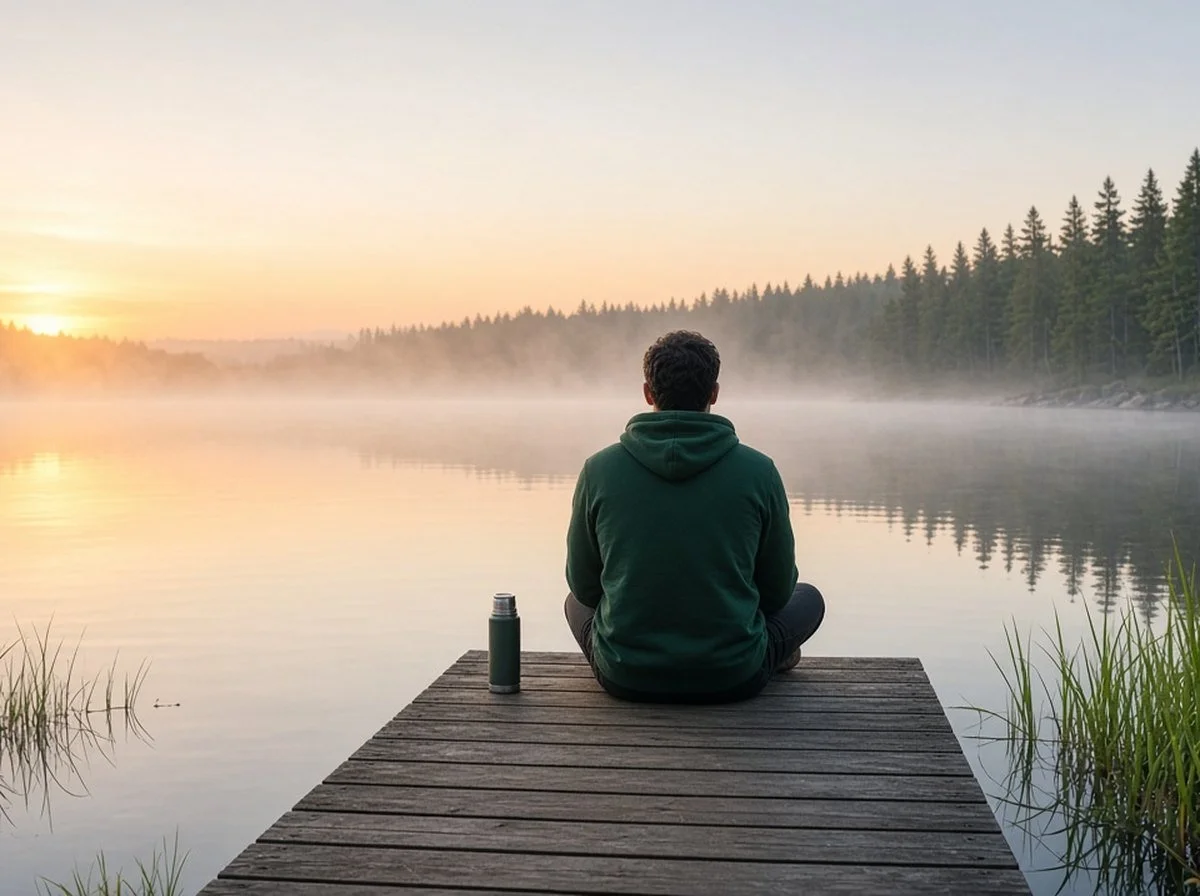
Count the people who know. For most men reading this, the number is zero, or one, and the one didn't know what to say. Maybe it was years ago. Maybe it was last month. Either way you've kept it in a locked room, and the lock is made of things you've heard other people say about men like you. Male survivors of sexual assault are kept quiet less by what happened than by the myths that surround it. Here are five of those myths, stated the way you've probably heard them, and what's true instead.
Myth, it does not happen to men
The way it gets said: "Sexual assault is something that happens to women. A guy can't really be forced, and if he says he was, something about the story doesn't add up."
Most people who say this aren't cruel. They've absorbed a picture of assault with a female victim and a male attacker and never had reason to widen it. Public conversations about sexual violence in recent years have mostly focused on women, and men watched them from the outside.
Can men be sexually assaulted? Yes. It happens to boys, and it happens to adult men, by men and by women, by strangers and often by people they knew and trusted. In a 2018 Statistics Canada survey, about 1.2 million men, or 8%, said they had been sexually assaulted at least once since age 15, not counting assaults by partners. Abuse can also start in childhood, years before a boy is able to name it. If you're a man reading this because it happened to you, you're one of many, and you've likely met others who've never said so either.
If a page like this is the closest you've come to saying it, a free 15-minute consultation doesn't require you to say any more than that.
Myth, a real man would have fought back
The way it gets said: "I'd never have let that happen. If someone tried that with me I'd have flattened them. So if he didn't, he must not have minded that much."
This one comes from a decent instinct, the wish to be someone who protects himself. The problem is that it describes a fight in a movie, not what bodies do under threat.
When a person is attacked, or trapped, or surprised by someone they trusted, the nervous system doesn't ask for a vote. Researchers who study threat responses describe freezing, and even a kind of temporary paralysis, as automatic reactions, like flinching. Going along to survive is another. Boys are smaller than the adults who hurt them. Men can be assaulted by people who hold power over them, or while drunk or asleep, or by someone they'd never expected to have to fight. Not fighting back says nothing about your strength. It says your body did what bodies do.
Why do male survivors not report? Shame is one of the main reasons men give, and this myth feeds it. Reporting means saying out loud that you didn't stop it, and many men have been taught that being unable to stop something makes them less of a man. So the assault gets filed under failure rather than under crime, and failure is something you hide.
Myth, a physical response means you wanted it
The way it gets said: "But you got hard. Bodies don't lie. On some level you must have wanted it, or you wouldn't have responded."
Survivors hear this from others and, often, from themselves. It can keep a man silent for decades.
Here's what's true. Erection and even ejaculation can happen from touch or pressure alone, without any wanting behind them. A review of the research found that unwanted arousal, and even orgasm, can happen during forced sexual contact, and that it does not mean the person consented. A physical response during an assault is the body responding to stimulation, the same way it sweats or its heart races. It's not consent, it's not desire, and it's not evidence of anything about who you are.
Two related fears sit under this myth. One is about orientation. Men assaulted by men may fear that it means something about them, or that anyone they tell will assume it does. What someone else did to you doesn't decide who you're attracted to. The other is the fear of being seen as gay, whatever your orientation, which is a fear about other people's prejudice, not about you. Both fears keep men quiet, and both are about the myth rather than the truth.
Myth, it happened years ago so it should not matter
The way it gets said: "That was twenty years ago. You've got a job, a family, a life. Digging it up now won't change anything, so why not leave it buried?"
Often the man saying this is the survivor himself, keeping the room locked.
Does sexual assault affect men differently? Men can carry it just as heavily, including the low mood, the shame and the thoughts of not wanting to be alive. What can differ is the shape it takes. For many men it comes out as anger, drinking, working all hours or pulling away from people, and as an effort to wall it off into a compartment that isn't supposed to open. The compartment leaks. It leaks into a marriage that can't get close, into a temper that frightens your kids, into a drink that started as a way to sleep, into a flatness that you've called stress for a decade.
Trauma doesn't keep time the way memory does. Something that happened in 1998 can arrive in your body tonight as if it were happening now. That's not weakness and it's not dwelling. It's how an unprocessed memory can behave, and the age of a memory doesn't always match its force. Our page on trauma and PTSD counselling describes those effects and how we treat them.

Myth, talking about it makes it worse
The way it gets said: "Every time I've come close to telling someone, I've felt sick for a week. Talking about it clearly makes it worse. Better to keep it where it is."
This one deserves respect, because it's built on real experience. A first attempt at telling can go badly. The listener flinches, changes the subject, or says one of the sentences above. And forcing yourself to recount every detail before you're ready can leave you shakier than before. So the lesson gets learned: silence is safer.
What's true is narrower. Telling the wrong person, or telling too much too soon, can hurt. Telling a trained person, at your pace, tends to help over time. Trauma-focused therapies, such as cognitive processing therapy and EMDR, are recommended in major treatment guidelines for post-traumatic stress. Many men never ask for them. That's the gap this myth maintains.
If the locked room has ever made you feel like you don't want to be alive, or if reading this has stirred that up, don't carry it by yourself tonight.
In Waterloo Region, call Here 24/7 at 1-844-437-3247, at any hour.
Anywhere in Canada, call or text 9-8-8.
In Ottawa, the Mental Health Crisis Line is 613-722-6914, or 1-866-996-0991 from outside the city. The Distress Centre of Ottawa and Region is on 613-238-3311.
When the danger is immediate, call 911 or go to the closest emergency room.
We aren't a crisis service, and those lines are.
Here's what talking about it looks like when it's done well. Nobody asks you to describe what happened in the first session, or the fifth, unless you choose to. The early work is about steadiness: sleep, the anger, the drinking, the nightmares, the ways your body still reacts. Trust comes before anything else is touched. When you do decide to work on the memory itself, EMDR doesn't ask you to describe the event in detail, and cognitive processing therapy focuses mainly on the beliefs it left behind, such as "it was my fault". Our page on EMDR therapy explains how one of them works. The pace is yours throughout, and a good trauma clinician says so on day one.
Where male survivors of sexual assault can turn in Ontario
Where can men get support in Ontario? More places than the silence suggests, and none of them require you to have told anyone else first.
Your family doctor can be a first step. You don't have to give details. "Something happened to me years ago and I think it's still affecting me" is enough to start a conversation about options.
Other places to turn:
Support Services for Male Survivors of Sexual Abuse is Ontario's 24/7 crisis and referral line for men, for recent or past abuse, at 1-866-887-0015. It can connect you with counselling and peer support.
The Sexual Assault Support Centre of Waterloo Region runs a 24-hour support line for people of all genders at 519-741-8633.
After a recent assault, Ontario's hospital-based Sexual Assault/Domestic Violence Treatment Centres offer emergency medical care, follow-up and counselling. Their website, sadvtreatmentcentres.ca, lists the nearest centre.
Ontario Structured Psychotherapy offers free cognitive behavioural therapy to adults with depression and anxiety-related concerns, which can follow an assault. You can refer yourself.
Privately, our trauma clinicians work with men at the survivor's pace, in person at our Waterloo Region offices or our Ottawa office, or by video if you'd rather not be seen walking in anywhere. You don't need a doctor's referral, and evening and weekend appointments are available. Our psychologists can diagnose PTSD if a diagnosis would help. In many cases we can bill your insurance directly, depending on your plan and your therapist. Counselling is confidential, within limits your therapist will explain.
Whichever door you choose, the first step is smaller than it feels.
You don't need to tell all of it to start. A free 15-minute consultation is the entire first step. The pace after that is yours.
If you are in crisis, call or text 9-8-8, or call Here 24/7 at 1-844-437-3247. In an emergency, call 911.