
Losing a brother or sister can mean losing the person who shared your childhood and the future you thought you would have together. That grief is real, and it is often overlooked. Your loss counts, including if you were a half sibling, a step sibling or a chosen sibling.
This article explains why sibling grief can hurt in a particular way, what it means to be a forgotten mourner, how family roles and identity can shift, how to cope after a sudden or complicated loss, how to support grieving parents without hiding your own pain, and how grief counselling can help in Ontario.
Why losing a sibling can hurt so much
A sibling relationship is often the longest relationship of a life. You may have shared a home, a set of family stories, private jokes and a sense of who you were in the family. When that person dies, a whole layer of your history can feel harder to reach.
The hurt can also come from the future you pictured. Many people expect to grow older with a brother or sister nearby, even if you were not close every year. Losing that expected companion can leave a quiet, lasting gap. Friends may ask first about your parents, or about a partner or children. Your own grief can be treated as secondary, even when it is the centre of your days.
This is not the same as losing a parent or a grandparent, though those losses can be deep too. We have a separate post on losing a parent as an adult. Sibling grief deserves its own room.
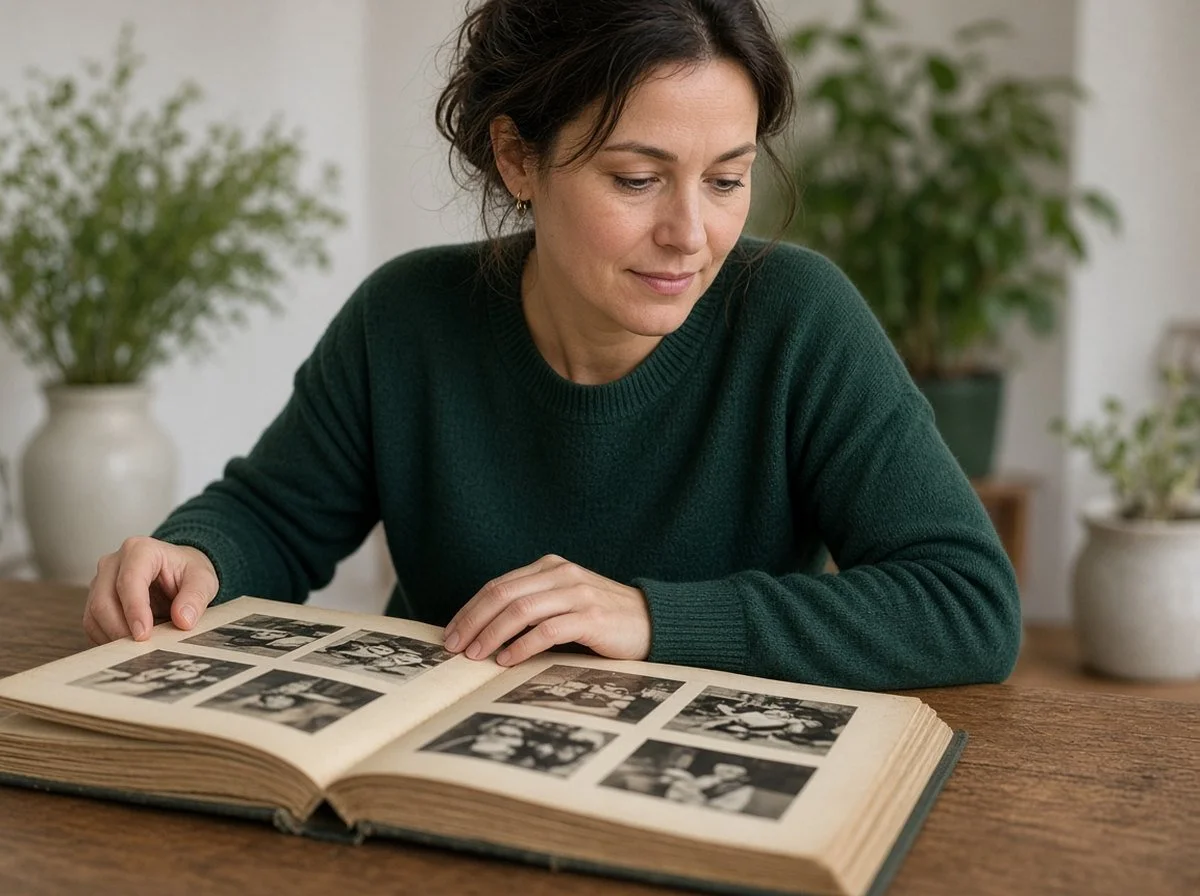
The forgotten mourner
Researchers have described adult siblings as forgotten mourners, people whose grief is often ranked below that of parents or partners. Deborah Davidson, in a 2018 review, wrote that bereaved siblings are insufficiently recognized in families, in clinical practice and in the wider culture. They may also carry a double weight: their own grief, and concern for their parents’ grief.
A 2025 synthesis by Parekh, Sobczak-Edmans and Williamson looked at adults’ accounts of sibling bereavement after illness or accident. The authors describe distinctive challenges, including a sense that a shared path has been broken, changes in family roles, and a shake-up of identity. None of this is a test of whether you are grieving “enough.” It is a way of naming why the loss can feel so particular.
When grief is not fully recognized, it can feel lonely. That kind of overlooked grief is sometimes called disenfranchised grief. Our post on disenfranchised grief explains the idea in more detail. You do not have to wait for other people to make space before you take your own loss seriously.
How family roles and identity can shift
After a sibling dies, the family map can change. You may become the only child, the eldest, the youngest, or the one who now carries the family memories. If there were other siblings, the balance among you may shift in ways no one planned.
Some people feel a duty to stay strong for everyone else. Some feel guilty for still being here, especially if they were close in age or shared a similar life. Those survivor feelings are common in plain, human terms. They are not a label, and they do not mean you have done something wrong.
Identity can wobble too. “Sister” or “brother” may have been a core part of how you introduced yourself. You are still that person. The role now includes absence, and that takes time to live with.

When the loss was sudden or complicated
Some deaths come after a long illness. Others come suddenly, through an accident, an overdose or a suicide. A sudden or complicated loss can add shock, unanswered questions and, at times, a sense of stigma. You do not need a neat story in order to grieve.
If your sibling died by suicide, that grief can be especially heavy and confusing. Our post on how to cope after losing someone to suicide is there if you need a careful, dedicated place to start. You can also grieve a complicated or distant relationship. Love, conflict, distance and unfinished conversations can all be part of the same loss.
There is no set timeline for this. The CAMH page on grief and mourning is clear that everyone experiences grief differently, and that there is no single correct way to grieve. Difficult feelings may return around birthdays, holidays or other reminders, even after a lot of time has passed.
Ways to cope with sibling grief
Coping here does not mean getting over it. It means finding steady ways to live with the loss and stay connected to your sibling’s place in your life, if that feels right.
Say out loud, when you can, that this is a sibling loss. Naming it helps other people, and you, take it seriously.
Keep a small ritual that fits you, such as a walk, a song, a meal or a quiet moment on a meaningful date.
Write a letter you will never send, or a few memories you do not want to lose.
Stay in touch with nieces, nephews or shared friends if you want to, without forcing it.
Plan for anniversaries and holidays, even in a simple way, so the day does not arrive as a complete shock.
Notice anger, numbness or relief without judging those feelings. Grief can hold more than sadness.
The American Psychological Association describes grief as anguish after a significant loss, often with yearning, confusion and worry about the future. Those reactions can be intense. They are not a sign that you are failing at coping.
Supporting your parents while you grieve
You can care about your parents’ grief without disappearing inside it. Many adult siblings feel pulled to be the strong one, the organizer or the one who hides their own tears. That pattern can leave you isolated.
It can help to be honest, in small doses, about what you need. You might ask for a night off from being the person who checks in. You might take turns being the one who listens. You might tell a parent, gently, that you are grieving too, and that you cannot carry the whole family mood alone.
This is not a lack of love. It is a way of staying present for the long run. If family conversations feel stuck, counselling can give you a place to sort out your part without having to fix everyone else.
If you are thinking about suicide or hurting yourself, call or text 9-8-8 now. If you or someone else is in immediate danger, call 911.
How grief counselling can help
Grief counselling can help at any stage, including years later. A counsellor can make room for a loss that other people have minimized, help you live with changed family roles, and sit with the mix of love, anger, guilt or numbness that sibling grief can hold. If grief stays very intense and makes daily life feel stuck for a long time, that is worth talking through as well. Adults of any age, including adults 65 and older, are seen.
We offer counselling at our Kitchener-Waterloo, Cambridge and Ottawa offices and online across Ontario.
Your next step
If you are carrying the loss of a brother or sister, book a free 15-minute consultation with our admin team and talk with someone who will make room for your grief. It is a chance to ask questions and see whether counselling is a good fit. Booking it does not commit you to ongoing sessions. The call is not a therapy session or a crisis service.
If you or someone you love is in immediate danger, call 911. If you are thinking about suicide, call or text 9-8-8, any time.
Last reviewed: November 2026