
Someone hurt you. Maybe it was a friend who broke your trust, a parent who let you down, or a partner who said something you cannot forget. Months or even years later, the memory still stings. You may wonder if you should forgive, or how you even would. This post explains what forgiveness is and is not, how forgiveness differs from reconciliation, and steps that may help you let go of resentment if and when you choose to. It is general guidance. There is no right timeline, and forgiveness is always your choice.
This post is general information, not therapy or advice for your specific situation. If you are in danger right now, call 911.
What is forgiveness?
Forgiveness is a choice to let go of the anger, resentment or wish for revenge you hold toward someone who hurt you. It is something that happens inside you. It is about how you carry the hurt, not about what the other person does next.
Forgiveness is not:
Saying it was okay. You can forgive and still believe what happened was wrong.
Forgetting. You can remember clearly and still choose to let go of the grudge.
Excusing the person. You can hold someone responsible and still forgive.
Owed to anyone. No one has the right to demand your forgiveness.
A one time event. For many people, it happens slowly, and feelings can come back.
Required to move on. Some people find peace without forgiving. That is valid too.
Forgiveness vs reconciliation
Forgiveness and reconciliation are often mixed up, but they are different.
Forgiveness is internal. It is about letting go of resentment. You can do it alone, even if the other person never apologizes, has died or is no longer in your life.
Reconciliation is about the relationship. It means rebuilding trust and coming back together. It takes both people, and it depends on whether the other person is safe and willing to change.
You can forgive someone and still choose not to reconcile. You can keep your distance, set firm limits or end the relationship. Forgiveness does not mean you have to let someone back in.
Safety comes first after abuse
If someone has abused you, your safety comes before anything else. Forgiveness is never a reason to stay in or return to a harmful situation. You do not need to forgive anyone to feel better, set limits or protect yourself.
If you feel pressured to forgive by family, friends or the person who hurt you, it is okay to say no or not yet. If you are in danger, call 911. If you are thinking about suicide, call or text 9-8-8.
Why people choose to forgive
People choose to forgive for many reasons. For some, it is about finding peace. For others, it is about a relationship they want to keep.
A small qualitative study interviewed 11 adults in England and Ireland about real hurts in their lives (Akhtar and colleagues, see Sources). The people interviewed came from different belief backgrounds. Many described holding on to unforgiveness as linked with more negative feelings, trouble thinking clearly and feeling held back from growth. For most of them, forgiving was tied to their sense of mental well being, such as fewer negative feelings, more positive emotions and better relationships.
This was a small study, and it does not prove that forgiveness causes these changes. It simply shows what forgiving felt like for these people.
Forgiveness can also affect relationships in different ways. A 2021 paper by Gollwitzer and Okimoto suggests that the effects of forgiving depend partly on why you forgive and how the other person reads it (see Sources). Forgiving out of care for the relationship may land very differently than forgiving to feel morally above someone. And if the other person sees your forgiveness as a free pass, it may not lead to the change you hoped for. In short, forgiveness is not one simple thing. Its meaning depends on the people and the situation.
How to forgive someone, step by step
If you decide you want to work toward forgiveness, these steps may help. Go at your own pace. You can stop, pause or come back to them.
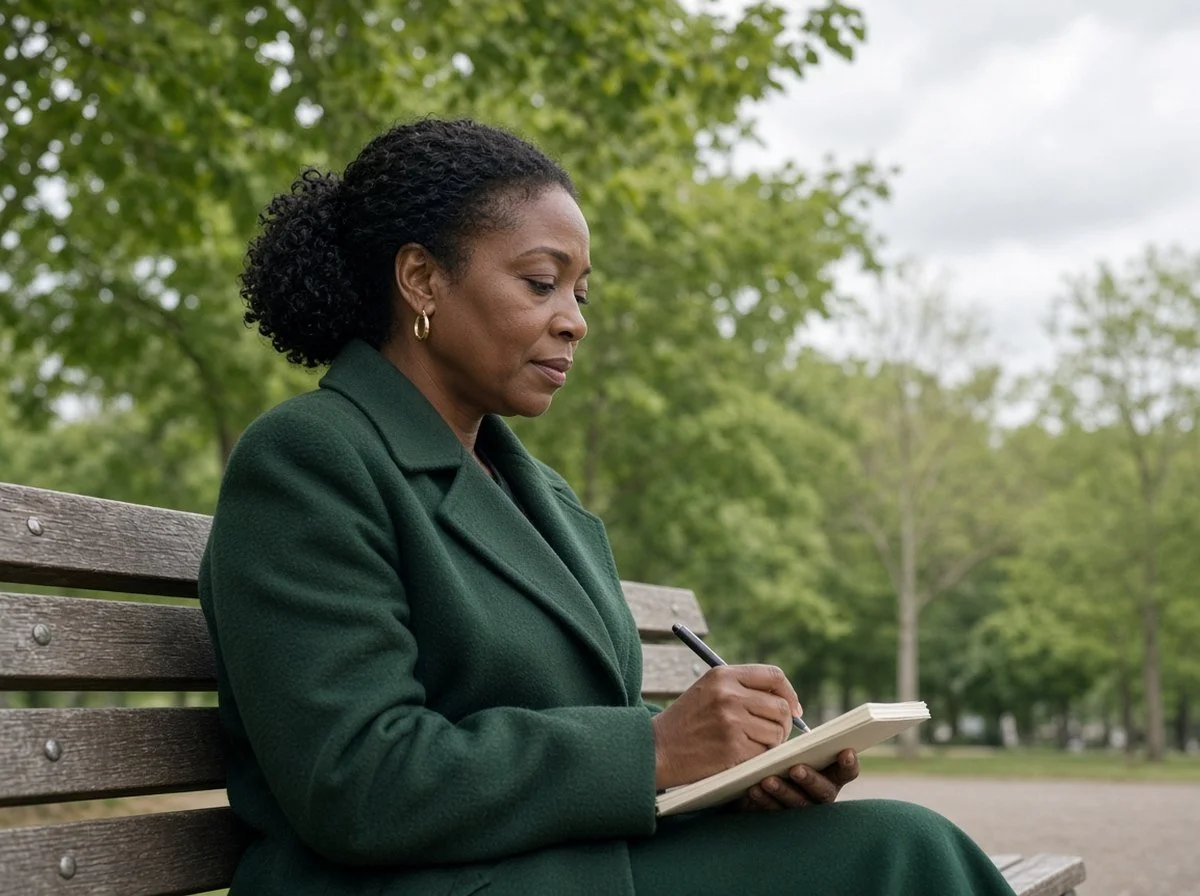
1. Name what happened. Be honest with yourself about the hurt. What did the person do? How did it affect you? Writing it down can help.
2. Feel your feelings. Anger, sadness, betrayal and grief are all normal. Forgiveness does not mean skipping these. Often, letting yourself feel them is part of the path.
3. Notice what resentment is costing you. Does replaying the hurt keep you up at night? Does it affect other relationships? Noticing the cost can help you decide what you want.
4. Try to understand, without excusing. Some people find it helps to think about what was going on for the other person. This is not about making excuses. It is about seeing them as a whole person. If this feels too hard, skip it.
5. Decide what you want. Do you want to let go of the grudge? Do you want to rebuild the relationship, or keep your distance? Your answers can be different.
6. Choose how to mark it. Some people tell the other person. Others write a letter they never send. Some simply make a quiet decision. All are valid.
7. Expect feelings to return. Forgiveness is often not a straight line. A memory or a date may bring the hurt back. That does not mean you failed. You can choose again.
How to let go of resentment when you are not ready to forgive
You may not be ready to forgive, and that is okay. You can still ease the hold resentment has on you.
Limit how often you replay the hurt. When you notice the loop, gently shift your attention.
Talk with someone you trust.
Set clear limits with the person, if they are still in your life.
Put energy into parts of your life that feel good.
Be kind to yourself. Holding on to hurt is often a way of protecting yourself.
If the hurt is with a partner, our post on resentment in marriage looks at how resentment builds in close relationships. If you are on the other side and need to make amends, our post on how to apologize to your partner may help. And if the person you struggle to forgive is yourself, see our post on how to forgive yourself.
When counselling can help
Counselling is not about pushing you to forgive. It is a space to sort through what happened, feel what you feel and decide what you want. A counsellor can help if you feel stuck in anger, keep replaying the hurt or feel torn about a relationship.
You set the goals. For some people, the goal is forgiveness. For others, it is simply feeling less weighed down, setting clearer limits or making peace with not knowing yet. Each of these is a fair place to start.

Cost, billing and your first step
Sessions with our therapists range from $130 to $200, depending on the clinician.
We accept Health Spending Accounts (HSAs).
We can direct bill many insurers. Coverage depends on your plan, so check with your insurer before you start.
Book a free 15-minute consultation with our admin team. We can help you find a counsellor, in person or online.
If you're in crisis: if you or someone you love is in immediate danger, call 911. If you're thinking about suicide, call or text 9-8-8 any time, day or night.
Last reviewed: October 2026
Sources
Akhtar, S., Dolan, A., and Barlow, J. "Understanding the Relationship Between State Forgiveness and Psychological Wellbeing: A Qualitative Study." Journal of Religion and Health. 2017. https://pmc.ncbi.nlm.nih.gov/articles/PMC5320019/
Gollwitzer, M., and Okimoto, T. G. "Downstream Consequences of Post-Transgression Responses: A Motive-Attribution Framework." Personality and Social Psychology Review. 2021. https://pmc.ncbi.nlm.nih.gov/articles/PMC8597191/