
The first holidays after divorce often bring grief, anger and relief all at once, and that mix is normal. You do not have to feel festive. A simple plan for the hard days, a kinder way of talking to yourself and one small new tradition can make the season more manageable.
This article is for the first Christmas after divorce, or the first season after a separation. It looks at why the holidays can hit so hard, how to decide the days before they arrive, and how to get through the hours with and without your children. It also covers family questions, one small tradition and when to get support. It is written for every kind of family, with or without kids.
Why the first holidays after divorce can hit so hard
Holidays are made of routines and roles. Who cooks, who hosts, who sits where, who wraps the gifts. After a split, nearly all of that changes at once, and reminders are everywhere. Songs, ads and family photos can land harder than you expected.
The season also asks for cheer. That gap between how you feel and how you are “supposed” to feel can add a second layer of strain. You may feel sad in the morning, angry at lunch and oddly relieved by evening. You are not doing it wrong.
The American Psychological Association notes that the end of a marriage typically brings a flood of emotions, including anger, grief, anxiety and fear. It describes that response as normal, and says that over time the intensity eases. The same page offers a simple reminder for the meantime: be kind to yourself. That is easier said than done, so here is what it can look like.
Researchers have looked at this too. In a 2012 study of 109 divorcing adults, Sbarra and colleagues asked people to record a short stream-of-consciousness talk about their separation. People whose talk showed more self-compassion had less divorce-related emotional intrusion into daily life, and that link lasted up to nine months. It was an association in one study, not a promise. It does suggest that how you speak to yourself matters.
Decide the days before they arrive
Much of the dread comes from not knowing. Pick the key days early, such as the eve, the day itself and the days either side, and write down where you will be on each one. If you share children, confirm the plan in writing with your ex in a calm, business-like way. Keep the message short and leave out old arguments.
Expect some things to stay unresolved. A plan does not need to be perfect to help. Having even a rough outline can cut the number of choices you have to make while you are already tired.
Our post on co-parenting after separation looks at schedules in more detail. This article stays with how you feel and how you get through.
If your ex is threatening, controlling or unsafe at handovers, safety comes first. Call 911 if anyone is in immediate danger. Individual counselling with us can help with the rest.

If you have the kids for part of the season
This is the holidays after divorce with kids: you may be carrying their feelings and your own. Keep the days simple. Children usually need familiar routines more than a perfect show.
Let them love both homes. Avoid asking about what happens at the other house.
Skip competing gifts and bigger-and-better plans.
Keep adult conflict away from them. The APA notes that ongoing parental conflict raises children’s risk of psychological and social problems.
Tell them in plain words what the plan is, so there are fewer surprises.
You do not have to make this the best holiday ever to be a good parent. A normal, steady day is a gift.
Some families spend a day together “for the kids.” That can work for some low-conflict families, and it can backfire for others. There is no rule here, only a question worth asking: does it feel calm for everyone, you included?
If you will be without your kids
The first Christmas without kids after divorce can feel quiet in a way that is hard to describe. It does not mean you have failed as a parent. It means the schedule is the schedule, and your heart still misses them.
Plan the empty hours so they do not plan you. That might be a long walk, a meal with someone you trust, a film you chose, or a few hours of general volunteering. Give yourself a short window to be sad. Ten minutes with a cup of tea and permission to cry is often easier than holding it in all day.
If it is agreed, plan a moment to connect with your children, such as a call or a video chat. Keep it light, and let them go back to their day without guilt.
If you will spend the first Christmas alone after divorce because you have no children or no one nearby, the plan is the same: decide the hours, include one thing you look forward to and one person you could text. Our posts on lonely at Christmas and Christmas anxiety speak to those feelings in other settings.
If the season brings thoughts of suicide or self-harm, call or text 9-8-8 any time, including on holidays. Call 911 if anyone is in immediate danger.
Handling family questions and invitations
Relatives often mean well and still ask the wrong thing. “So what happened?” can land like a spotlight. You are allowed to keep your story short.
Here are two original lines you can adapt:
“It has been a big year. I would rather talk about something else today.”
“Thank you for asking me. I am not ready for that one yet, but I would love to hear how you are.”
Invitations can feel loaded too. You can say, “Thank you, I’m not up for a big gathering this year. I would love to see you after the holiday.” For a fuller look at holiday limits with relatives, see setting boundaries with family during the holidays.
Starting a new tradition, small on purpose
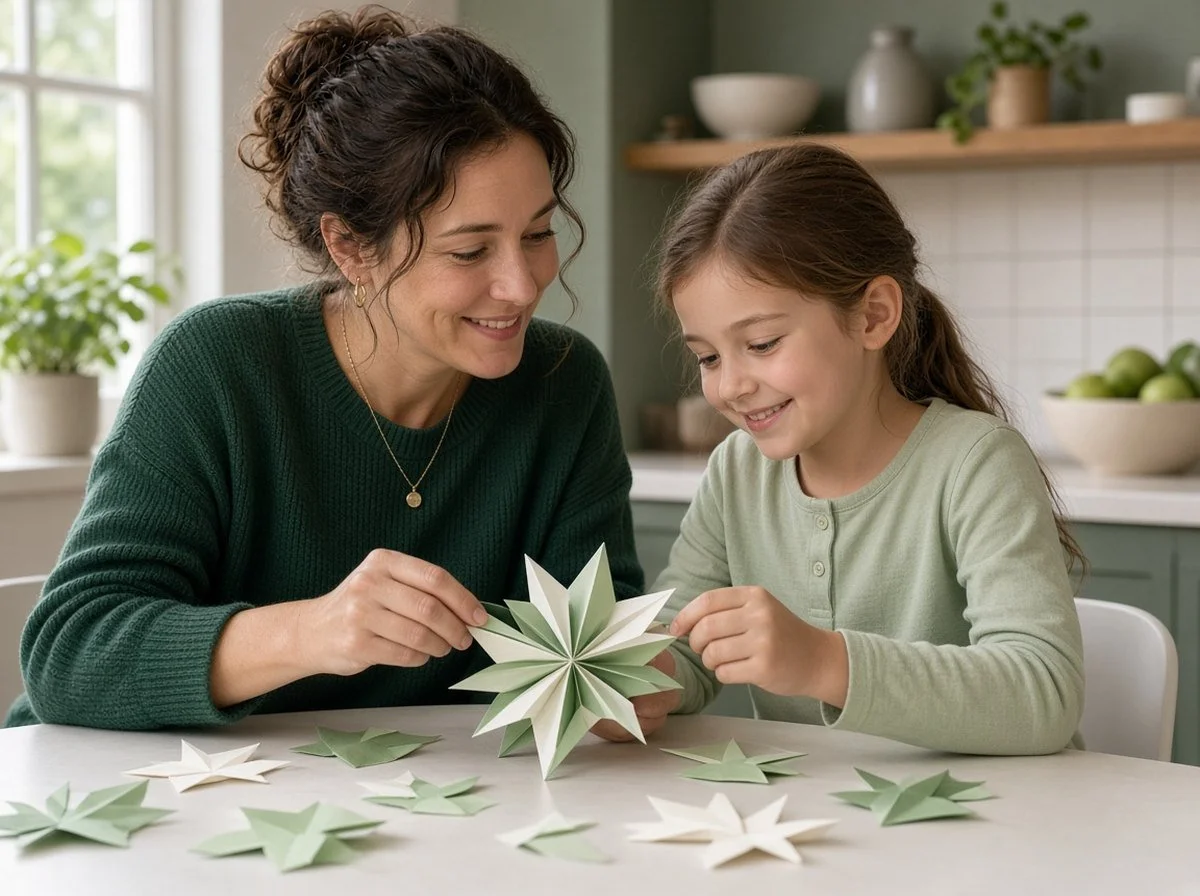
Christmas traditions after divorce do not need to be big. In fact, small is easier to repeat. You might choose a new breakfast, a walk on the same trail each year, a movie night with one new snack, or a single decoration that is only yours.
Let the tradition be about what you want, not about replacing what you lost. Some old traditions may return in a new form. Others can rest. If you are co-parenting, a new tradition can belong to the time you have with the kids, without asking the other home to match it.
Try this: choose one tradition for this year, write it on your calendar, and treat it as done once it has happened. That is enough.
When to get support
Many people find the holidays are rough and then ease in January. For others, the strain lingers. It may be time to talk to someone if sadness or sleep problems are lasting past the season, if you are drinking more than usual, or if the holidays are reopening old conflict.
Individual counselling gives you a place to sort through grief, anger and guilt at your own pace. Our divorce counselling in Kitchener-Waterloo post describes that work in more detail. If your children are struggling with the change, family therapy can help. Children aged 6 and up can be seen online or in person.
We offer counselling at our Kitchener-Waterloo, Cambridge and Ottawa offices and online across Ontario.
Your next step
If this is your first holiday season after a separation, book a free 15 minute consultation and we can help you plan for the hard days. It is a chance to ask questions and see whether counselling is a good fit. Booking it does not commit you to ongoing sessions. The call is not a therapy session or a crisis service.
If you or someone you love is in immediate danger, call 911. If you are thinking about suicide, call or text 9-8-8, any time.
Last reviewed: November 2026