
Guilt after putting a pet down is very common. It usually shows how much you loved and cared for your pet, not that you made the wrong choice. You made a decision with the information you had at the time, because you wanted to spare them suffering. The guilt often softens as you let yourself grieve and look at your decision with kindness.
If you are replaying the last day, asking “what if,” or lying awake wondering whether it was too soon, you are not alone. This guide explains why the guilt is so strong, how hindsight tricks us, and some gentle ways to work through it. It is not about whether your decision was right or wrong. It is about how to carry it.
Why guilt is so common after euthanasia
When you put a pet down, you are the one who made the final call. That is a huge weight. You were responsible for them, and you made a decision you could not undo. It makes sense that guilt shows up.
Research with pet owners shows how heavy these decisions can be. A study of veterinary clients found that caregiver burden, including strain, discomfort and feelings of guilt and uncertainty, was linked to how far people had moved toward a euthanasia decision. A 2026 study of 143 pet caregivers found that they described distress about whether and when to choose euthanasia, and that their stories included grief, regret, guilt and finding meaning.
Putting dog down guilt follows a familiar pattern, and it looks much the same after any pet’s euthanasia. The last day replays like a film. Small moments, such as a look, a meal they refused or a last walk, take on huge meaning. The mind keeps searching for the one thing that could have gone differently, because that feels safer than accepting that you could not make the pain go away.
So if you feel guilt after euthanizing a cat, a dog or any companion, you are in good company. It is a very human response to a very hard choice.
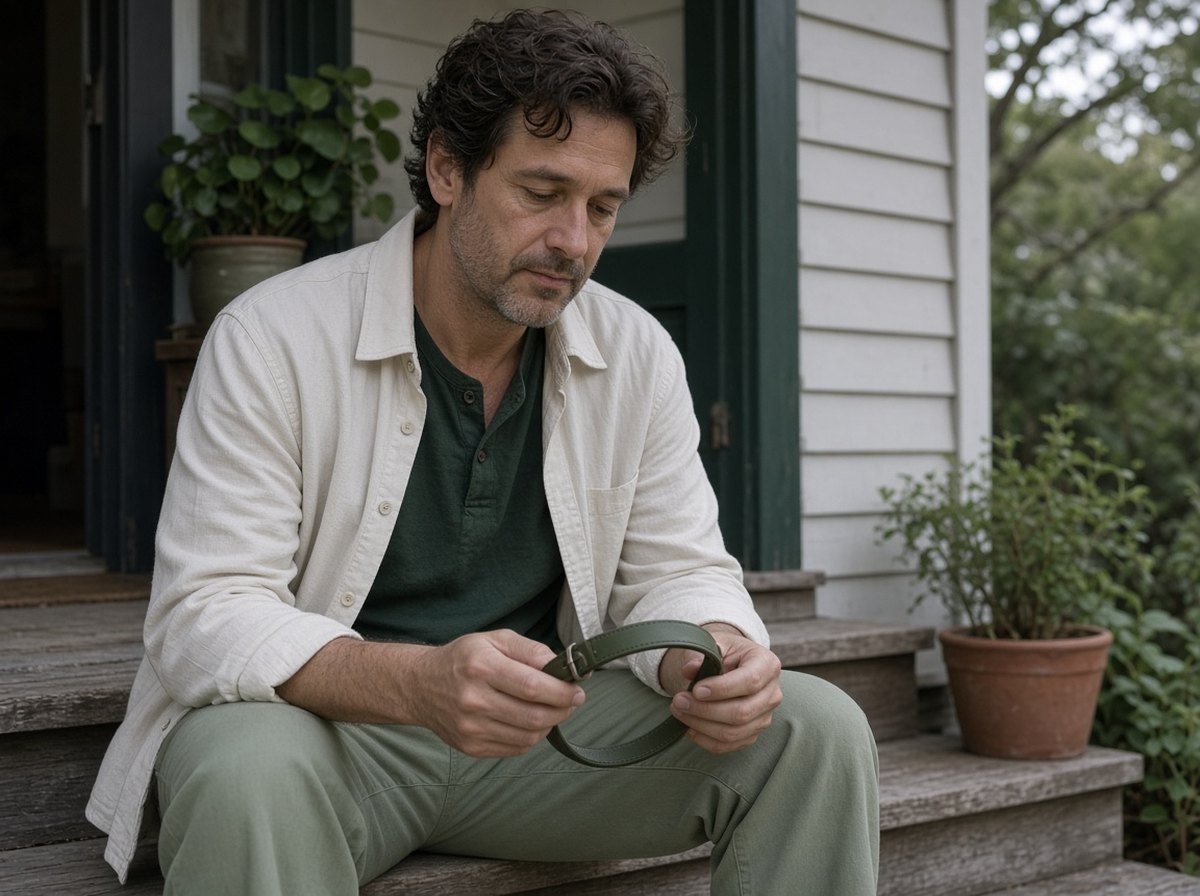
Did I do it too soon, or too late?
“Did I put my dog down too soon?” is one of the most common questions people ask. It often comes with its twin: “Did I wait too long?”
Here is the hindsight trap. Looking back, the moment seems clearer than it was. You now know how things ended, but you did not know it then. At the time, you were weighing your pet’s comfort, the changes you were seeing, the advice you had and your own limits. Nobody gets a perfect view of the future. The Kogan study found that caregivers balance many things at once, including their pet’s welfare, the needs of family members, practical limits and their own tiredness from caregiving.
You cannot judge a past decision using information you only have today. You can only ask what you knew then, and what you were trying to do. In most cases, the answer is that you were trying to ease their pain.
Guilt is not proof you did something wrong
Guilt can feel like a verdict. It is not. Often, guilt is a sign of love and responsibility. People who do not care rarely feel it.
Try this: if a friend told you they had made the same decision for their dog or cat, what would you say to them? Most of us would offer kindness and understanding. You deserve the same. Self-forgiveness is something you practise a little at a time, not something you decide once.
If you are wondering how to forgive yourself for putting your dog down, start with the facts you knew at the time and the love behind the choice. Then say to yourself, out loud if you can: “I did the best I could with what I knew.” It may feel false at first. Say it anyway, and let it settle over days and weeks.
Self-compassion does not mean saying the pain does not matter. It means treating yourself as you would treat someone else who was hurting.
When relief makes the guilt worse
Many people feel relief after a pet dies, and then feel guilty about the relief. You may feel relieved that your pet is no longer suffering. You may also feel relieved that the long days of caregiving are over. Both are normal.
The Kogan study notes that caregivers talked about their own caregiving fatigue as one of the things they were balancing. Being tired does not make you selfish. Relief does not mean you loved them less. You can feel grief and relief at once, just as you can feel love and guilt at once.
Gentle ways to work through the guilt
If you are asking how to cope after putting your dog down, or any pet, start small. You do not have to fix the guilt in a day. Small, kind steps can help:
Write a letter to your pet. Say what you want them to know, including thanks and an apology if you need to. Then read it aloud, if that feels right.
List what you knew and what you were weighing. Write down what you saw, what you were told and what you hoped. Seeing it on paper can calm the “what ifs.”
Make a small ritual. Light a candle, look at photos, or take a walk on their favourite route.
Talk with someone who understands. A friend who has lost a pet, or a counsellor, can listen without judging.
Go easy on your routines. Eat, sleep and move a little, even if everything feels flat.
Let grief come in waves. It is okay to cry one day and feel fine the next.
Our post on grief after losing a pet offers more on the loss itself.

When others do not understand
Grief over a pet often arrives with very little ceremony. There may be no card, no day off and no one asking how you are. That can make the guilt feel heavier, because you carry it quietly.
Some people say, “It was just a pet.” That can hurt a lot, because for you, it was a family member. Grief that others do not recognize or respect is sometimes called disenfranchised grief. Our post on disenfranchised grief explains it, but you do not need a label to deserve support.
You can say, “They were part of my family, and I miss them.” If someone cannot hear that, choose someone who can.
When to talk to someone
It may be time to talk to someone if:
The guilt does not ease after weeks
Your sleep, work or relationships are suffering
You keep replaying the last day or the decision
You feel stuck, numb or hopeless
You are having a hard time doing everyday things
Counselling can give you a place to say it all out loud, without having to protect anyone else’s feelings. Our individual counselling is available at our Kitchener-Waterloo, Cambridge and Ottawa offices, online and by phone.
If grief or guilt feels unbearable or you are having thoughts of suicide, call or text 9-8-8, any time. In an emergency, call 911.
Your next step
If guilt about saying goodbye to your pet will not ease, book a free 15 minute consultation, in person, online or by phone, to talk it through. It is a chance to ask questions and see whether counselling fits. Booking does not commit you to anything, and the call is not a therapy session or a crisis service.
Last reviewed: November 2026