
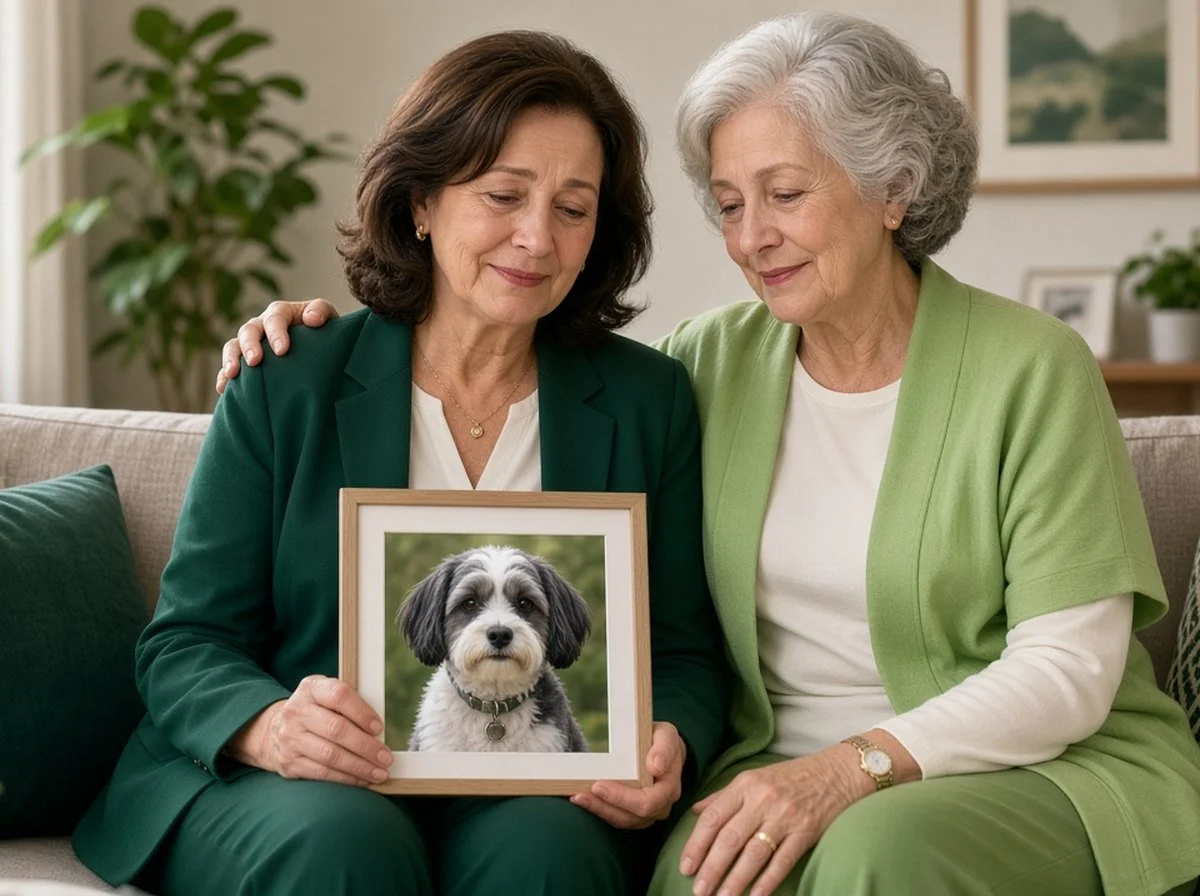
The house is too quiet. You still reach for the leash, listen for paws on the floor or set out a bowl before you remember. Grief after losing a pet can be overwhelming, and it can catch you off guard with how deep it goes. If anyone has told you "it was only a pet," you may also feel alone with it. This post explains why pet loss hurts so much, what the grief often feels like, how it can overlap with low mood and what can help.
This post is general information, not a diagnosis or medical advice.
Why losing a pet can hurt as much as other losses
Your pet was part of your daily life. They were there in the morning and waiting when you came home. They saw you on your worst days without judging you. For many people, that bond is one of the steadiest relationships they have.
Research backs up what many people feel. A systematic review of qualitative studies on pet bereavement found that people who lose a beloved companion animal may feel grief and loss similar to the death of a person. The review described themes around the relationship, the grief itself, guilt, support and the future.
So if your pet loss grief feels as heavy as other losses you have lived through, you are not overreacting. You are grieving a real relationship.
When others don't understand
After losing a pet, grief can feel lonely, because other people may not treat it as real grief. Researchers call this disenfranchised grief: grief that isn't openly recognized or supported by the people around you.
A cross-cultural study of people grieving a pet found that pet loss is often disenfranchised in exactly this way. Participants described a lack of validation and support, how intense the loss felt, the nature of their bond with their animal and a sense of continuing connection after death. Many also said that simply having a safe place to write about their grief felt helpful.
That last point matters. Being able to say out loud how much you miss them is not a small thing.
It can also help to know that there is no deadline. Some people feel steadier within weeks. Others find the grief stays close for many months, especially if the pet was with them through a major chapter of life. Both are normal, and neither says anything about how much you loved them.
What pet grief often feels like
There is no correct way to grieve. Bereavement after losing a pet can bring a mix of feelings, sometimes all in one day:
Deep sadness and emptiness, especially at the times you used to spend together
Guilt about decisions near the end, or wondering if you missed something
Anger, at yourself, at the situation or at people who don't seem to care
Relief that their suffering is over, followed by guilt for feeling relieved
Waves of grief that return on anniversaries, holidays or out of nowhere
Routines that stopped overnight can make the loss feel physical. The walk you no longer take or the empty spot on the couch keep reminding you, often many times a day.
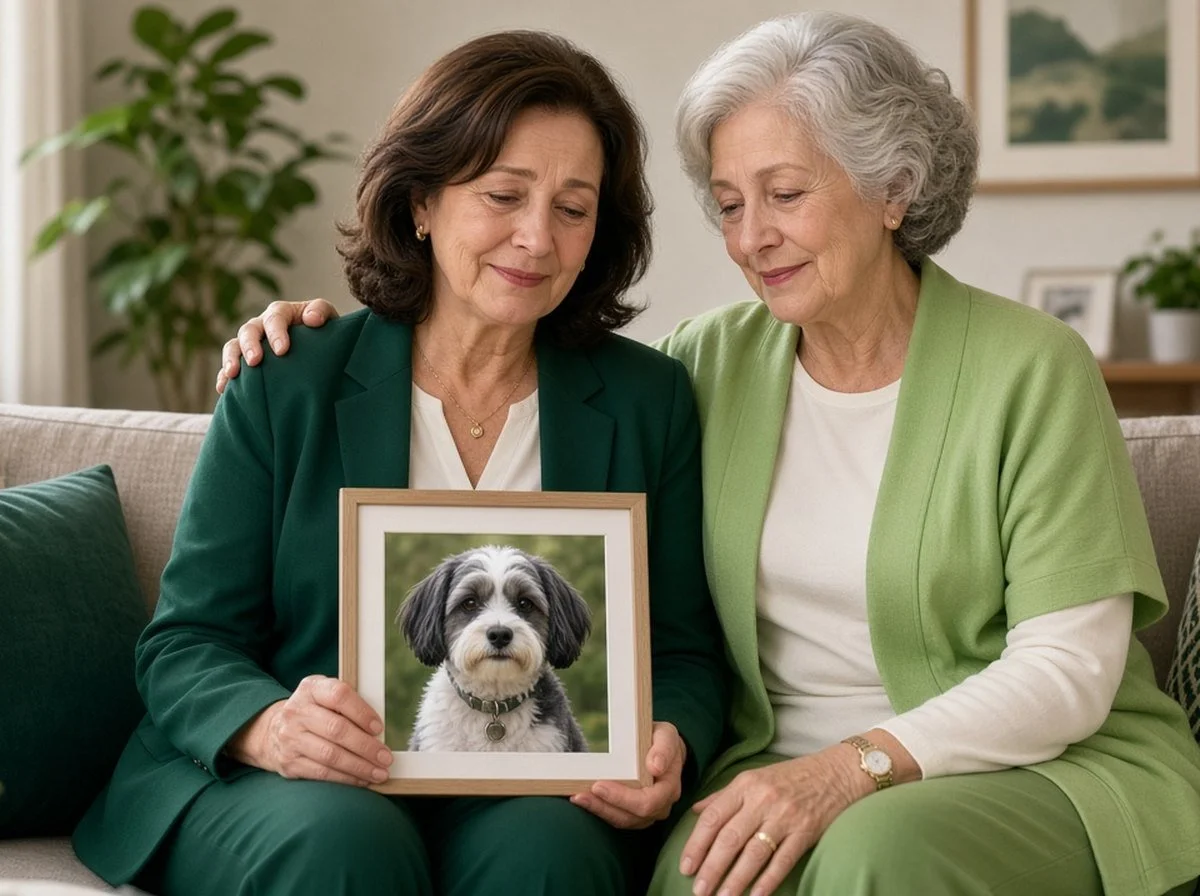
Grief after losing a dog, a cat or any companion
People sometimes rank pet losses, as if some animals should matter more than others. Grief after losing a dog may feel tied to daily walks and constant company. Losing a cat might mean losing a quiet presence that shaped the rhythm of your home. People grieve rabbits, birds, horses and reptiles too.
What matters isn't the species. It's the bond. If an animal was part of your life and your heart, your grief makes sense.
Guilt is very common, especially after a sudden death or a decision to say goodbye. Many people replay the last days over and over. In time, it can help to remember that you made decisions with the information and love you had at that moment.
Sadness after losing a pet, and when it overlaps with depression
Sadness after losing a pet is a natural response to loss. The National Institute of Mental Health notes that everyone feels sad or low sometimes, and that these feelings usually pass with time. Depression is different. It can cause severe symptoms that affect how you feel, think and handle daily activities such as sleeping, eating or working.
Grief and low mood can overlap, and only a qualified professional can tell the difference for a particular person. What you can watch for is how things are going over time. NIMH suggests reaching out for professional help if distressing symptoms, such as trouble sleeping, changes in appetite, struggling to get out of bed or losing interest in things you used to enjoy, last 2 weeks or longer.
If you're worried about depression after losing a pet, that worry alone is a good reason to talk with someone. You don't need a label to deserve support. Our page on support for depression explains how we help with low mood.
What helps when people say "it was only a pet"
You can't control what other people say, but you can choose how much of your grief you share with them. A few ideas:
Keep a short reply ready. "They were family to me, and I'm really missing them" is enough. You don't owe anyone a debate.
Find one person who gets it. Often it's someone who has lost a pet themselves.
Give yourself a small ritual. Lighting a candle, writing them a letter or walking their favourite route can give the grief somewhere to go.
Let the routines change gently. You don't have to move the bed or put away the bowl until you're ready.
Write it down. Writing about your pet and what you miss can help, as many people in the research described.
How counselling can help
Sometimes grief needs more room than daily life allows. A grief counsellor can give you an unhurried space to talk about your pet, the bond you shared and the parts of the loss that still feel stuck, such as guilt or a sudden goodbye.
Counselling doesn't try to rush you through grief or make you forget. It helps you carry the loss in a way that lets you keep living, while still honouring the relationship. Our grief counselling page explains how we support people through all kinds of loss.
Getting started
We offer individual counselling in person at our Kitchener-Waterloo, Cambridge and Ottawa offices, and online anywhere in Ontario. Every service is offered at every location.
Insurance may cover some or all of your sessions, depending on your plan, so check your plan.
We accept Health Spending Accounts (HSAs).
We can direct bill many insurers, including for sessions with an RP (Qualifying). Desjardins is the exception: through TELUS eClaims, we can direct bill Desjardins for sessions with an RSW, RP or psychologist, but not for an RP (Qualifying).
Book a free 15-minute consultation with our admin team to talk about the loss you're carrying and which counsellor might be a good fit.
If you're in crisis: if you or anyone else is in immediate danger, call 911. If you're having thoughts of suicide, call or text 9-8-8 any time.
Your grief is a measure of your love. It deserves to be taken seriously, including by you.
Last reviewed: October 2026
Sources
National Institute of Mental Health, Depression
National Institute of Mental Health, Caring for Your Mental Health
Packman W, Carmack BJ, Katz R, Carlos F, Field NP, Landers C. Online survey as empathic bridging for the disenfranchised grief of pet loss. Omega (Westport), 2014 (PubMed ID 25304868)
Cleary M, West S, Thapa DK, Westman M, Vesk K, Kornhaber R. Grieving the loss of a pet: A qualitative systematic review. Death Studies, 2022 (PubMed ID 33881389)