
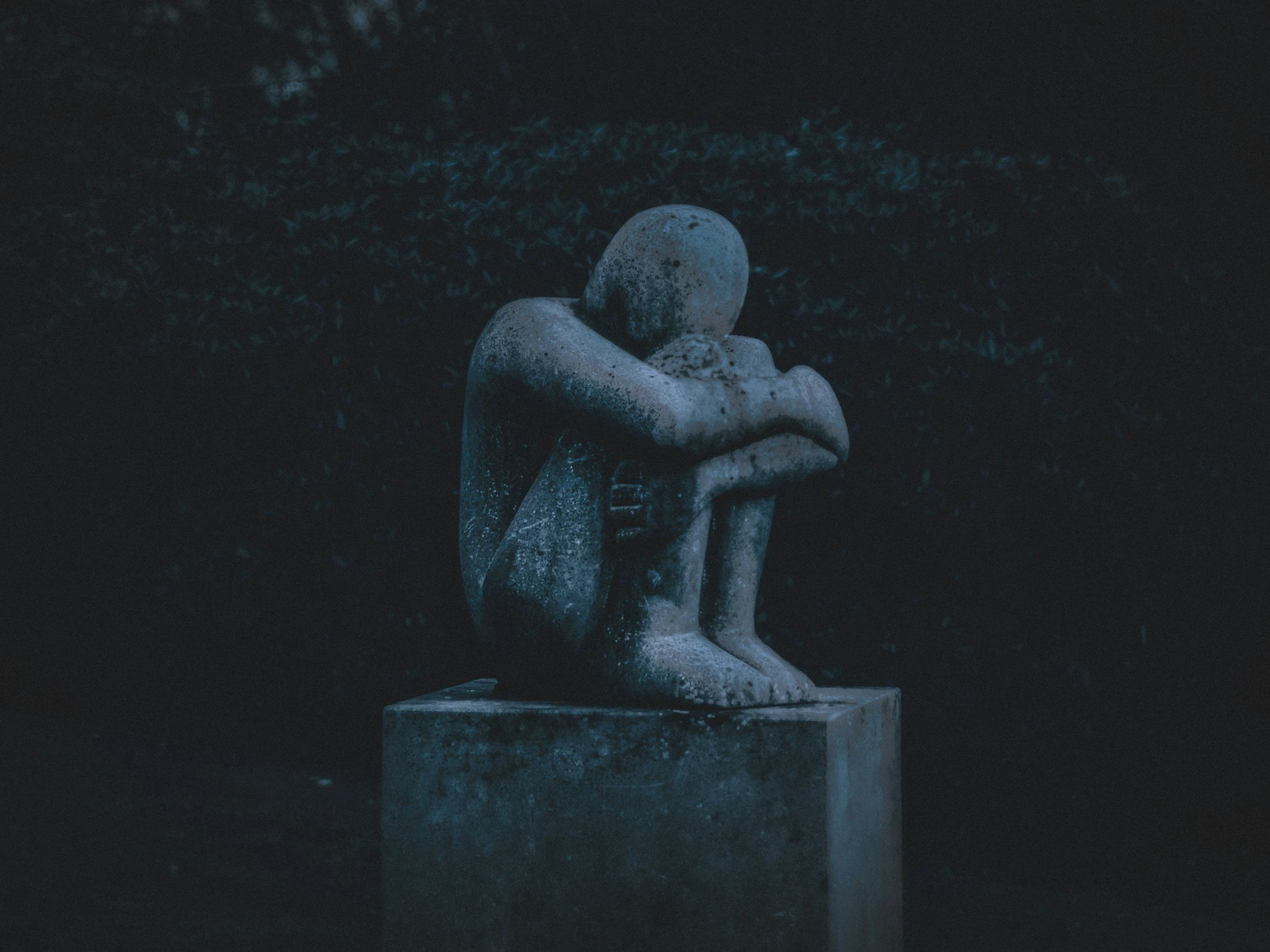
Grief vs. Depression: Understanding the Difference and Finding Support
When we experience a significant loss—a loved one, a job, a relationship—it is normal to feel deep sadness, emptiness and even physical pain. These feelings are part of grief, a natural response to losing something or someone important. Depression, on the other hand, is a mental health disorder characterized by persistent low mood, lack of interest, and other symptoms that interfere with daily functioning. The emotions of grief and the symptoms of depression can look similar, making it difficult to tell them apart. Recognizing the difference is important because it influences how we cope and the kind of support we need.
In this article, we’ll explore what grief and depression are, how they overlap and differ, and how to know when grief may develop into depression. We’ll also offer guidance on supporting someone who is grieving or depressed and discuss when to seek professional help. Finally, we’ll invite you to connect with Transformation Counselling for compassionate support on your journey.

What Is Grief?
Grief is a complex emotional response to loss. It is not an illness but a natural process that helps us adjust to life without a person, role or circumstance that mattered deeply. Grief can be triggered by the death of a loved one, the end of a relationship, the loss of a job, a miscarriage, or even a major life transition like moving to a new city. It may involve a range of emotions, including sadness, anger, guilt, relief, confusion and yearning. Grief can also manifest physically through fatigue, changes in appetite, sleep disturbances and body aches.
There is no single "right" way to grieve. Some people experience acute sadness that gradually lessens over months, while others have waves of intense emotion that come and go. Models like the "five stages of grief" (denial, anger, bargaining, depression and acceptance) can be helpful, but they don’t capture the full range of individual experiences. What matters is allowing yourself to feel and express grief in ways that are authentic to you.
What Is Depression?
Depression is a medical condition involving persistent sadness or low mood and a loss of interest or pleasure in activities. Unlike grief, depression isn’t always linked to a specific loss. It can be triggered by various factors, including genetics, brain chemistry, medical issues, trauma and chronic stress. Symptoms must persist for at least two weeks to meet the clinical criteria for a depressive disorder, and they often include:
Persistent sadness, emptiness or hopelessness.
Loss of interest in hobbies and activities that once brought joy.
Changes in appetite or weight.
Sleeping too much or too little.
Fatigue or lack of energy.
Difficulty concentrating, remembering or making decisions.
Feelings of worthlessness or excessive guilt.
Restlessness or slowed movement.
Thoughts of death or suicide.
Depression affects how a person thinks, feels and functions. Without treatment, it can interfere with work, relationships and physical health.
Similarities Between Grief and Depression
Grief and depression share some common features:
Sadness and tearfulness: Both involve deep emotional pain and crying.
Changes in sleep and appetite: Grieving individuals may have trouble sleeping or eating, similar to those with depression.
Difficulty concentrating: Loss and depression can cloud a person’s ability to focus.
Withdrawal: People may withdraw from social activities or struggle with motivation.
Physical symptoms: Fatigue, headaches and stomach issues can accompany both grief and depression.
These overlaps can lead people to wonder: Is this grief, depression or both?
Key Differences Between Grief and Depression
While grief and depression share similarities, there are several distinguishing factors:
Cause and context: Grief is typically tied to a specific loss or event, whereas depression might arise without a clear trigger or may stem from a combination of biological and environmental factors.
Self-perception: In grief, self‑esteem is usually preserved; the sadness relates to the loss. In depression, feelings of worthlessness, self‑loathing or excessive guilt are common.
Time frame: Grief often involves intense emotions that gradually lessen over time. Depression tends to be more persistent and pervasive.
Ability to experience pleasure: Even while grieving, people can still have moments of joy or humor. In depression, the capacity to feel pleasure is greatly diminished.
Movement toward healing: Grief is a process of adapting to loss; with time, most people integrate the loss into their lives and regain functioning. Depression may continue indefinitely without treatment.
Understanding these differences can help you determine whether you or someone you know is experiencing a normal grief response or depression that requires additional support.
When Grief Becomes Depression
Sometimes, grief and depression coexist. The loss may trigger a depressive episode, or grief may become "complicated" when it persists without improvement. Signs that grief may have developed into depression include:
Prolonged inability to function in daily life even months after the loss.
Excessive guilt unrelated to the loss (e.g., feeling like a burden to others).
Persistent negative self‑perception and hopelessness about the future.
Detachment from others and inability to trust anyone since the loss.
Persistent thoughts of death or suicide.
If you notice these signs, it may be time to seek professional help.
Supporting Someone Who Is Grieving
When someone you care about is grieving, you may feel unsure how to help. Here are some suggestions:
Acknowledge the loss. Don’t avoid the subject or pretend everything is okay. Saying "I’m so sorry for your loss" or "I can’t imagine how hard this is" validates their feelings.
Listen without judgment. Let them share memories, emotions and fears. Avoid clichés like "They’re in a better place" or "Everything happens for a reason."
Offer practical support. Cook a meal, help with household tasks or accompany them to appointments. Practical gestures show care when words fall short.
Be patient. Grief has no timetable. Check in regularly, even months after the loss.
Encourage self‑care. Suggest gentle activities like walking, journaling or spending time in nature. Invite them to join you, but respect their boundaries.
Supporting Someone With Depression
If a loved one is showing signs of depression, consider these steps:
Express concern and empathy. Let them know you notice they’re struggling and you’re there to listen.
Encourage professional help. Suggest they speak with a counsellor or doctor. Offer to help find a therapist or accompany them to appointments.
Avoid minimizing their experience. Statements like "Just snap out of it" or "Others have it worse" are harmful. Depression isn’t a choice.
Stay connected. Invite them to low‑pressure activities, send a supportive message or drop off a favorite treat. Knowing someone cares can reduce isolation.
Know the warning signs of suicide and seek immediate help if they express thoughts of self‑harm.
When to Seek Professional Help
Whether you’re grieving or experiencing depression, professional support can be invaluable. Consider reaching out to a mental health professional if:
Your grief feels overwhelming and isn’t improving over time.
Daily functioning becomes difficult.
You have thoughts of self‑harm or suicide.
You feel numb, detached or unable to connect with others.
You want guidance navigating your emotions and developing coping strategies.
Therapy offers a safe space to process feelings, gain insight and learn tools for healing. Therapists can also help differentiate between grief and depression and determine the best course of treatment.