
You turn off the hall light and walk a little faster to bed. You keep a lamp on all night, or you can’t fall asleep without the TV. Maybe you feel embarrassed, because you think grown-ups shouldn’t be scared of the dark. The truth is, fear of the dark in adults is real, and it makes sense. This post explains why it happens, how to tell everyday unease from a phobia, and what can help.
This post is general information, not a diagnosis or medical advice. If fear is getting in the way of your sleep or daily life, a counsellor can help you understand what’s going on.
Why am I scared of the dark as an adult
Darkness takes away one of our main senses. When you can’t see, your brain fills in the gaps, often with worst-case guesses. A creak becomes a footstep. A coat on a chair becomes a person.
Research shows the dark itself changes how our bodies react. In a 1997 study, Grillon and colleagues played sudden loud sounds to people in light and in complete darkness. People startled more strongly in the dark. Those who remembered being more afraid of the dark as children had a bigger jump in startle.
The researchers suggested this came from a shift in feeling, not from paying more attention. In other words, darkness can put your body a little more on alert, even when you know you’re safe.
So if your heart races when the lights go out, your body isn’t broken. It’s doing a very old job a bit too well.
Everyday unease vs a phobia of the dark
Lots of adults feel a little uneasy in the dark. That’s normal. A phobia of the dark is stronger and lasts longer. Some people call it nyctophobia.
The Mayo Clinic lists the dark as one common focus of specific phobias. It describes a specific phobia as a strong, lasting fear that is much bigger than the real risk. Signs can include:
Fear or panic right away, even just thinking about the dark
Knowing the fear doesn’t match the danger, but not being able to control it
Going out of your way to avoid dark places
Trouble with daily life because of the fear
Body signs like sweating, a racing heart or a tight chest
Mayo Clinic notes that an extreme fear isn’t a phobia unless it seriously disrupts your life. Only a qualified professional can diagnose a phobia.
Sudden fear of the dark and common triggers
Some people have feared the dark since childhood. Others notice a sudden fear of the dark later in life. Common triggers include:
A frightening event. Mayo Clinic notes many phobias start after a bad experience or panic attack.
Hearing about something scary. A news story or a true crime show can stick with you.
Stress and anxiety. When you’re already tense, the dark can feel more threatening.
Sleep problems. When you’re worn out, everything can feel harder to handle.
Living alone for the first time. New spaces and sounds can feel unsafe at night.
Shorter days. In Ontario, the clocks go back in early November, and evenings get dark much sooner.
A past trauma can also make nights hard. If your fear came after something scary happened to you, our post on the freeze response may help you understand your body’s reactions.
How fear of the dark affects sleep and daily life
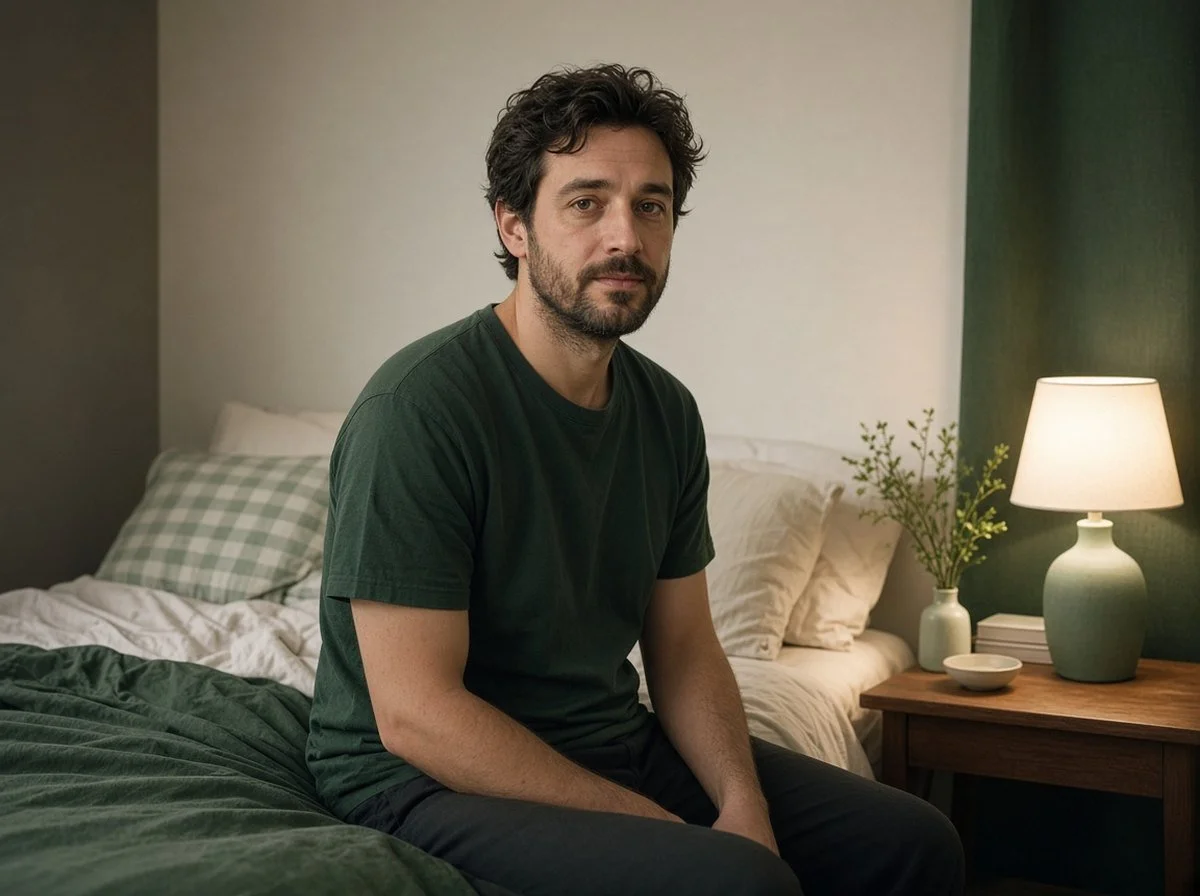
Fear of the dark often shows up at bedtime. You might lie awake listening for noises, check the locks more than once, or keep all the lights on. Some people avoid going out after dark, or turn down plans in winter.
Over time, this can lead to:
Poor or broken sleep
Feeling tired and on edge during the day
Leaning on others to walk with you or stay with you
Feeling ashamed or hiding the fear from friends
Mayo Clinic notes that avoidance is the most common way people cope with phobias, but it usually makes the anxiety worse. Each time you avoid the dark, your brain learns that the dark must be dangerous.
Talking to a partner or roommate about it
Many adults hide their fear of the dark. They worry others will laugh. But keeping it secret can add shame on top of fear, and it can make bedtime tense for everyone in the home.
If you share a home, try a short, honest talk. You might say, “I get scared in the dark at night. I’m working on it, and I’d like your help.” Then share what helps. Maybe a night light in the hall, or a quick check-in before bed.
Ask for support, not rescue. A partner who always walks into dark rooms first may mean well, but it can keep the fear going. Instead, they can stay nearby while you take the step yourself.
If someone teases you, it’s fine to set a limit. Fear of the dark is common, and you deserve respect while you work on it.
How to stop being scared of the dark
Here are some steps to try. Start small and go at your own pace.
Use a dim light, then lower it slowly. Over a few weeks, try a dimmer bulb or a light further away.
Learn your home’s sounds. Notice the furnace, the fridge and the pipes in daylight, so they feel familiar at night.
Practise slow breathing. Breathe in for four counts and out for six. Many people find a longer out breath helps them feel more settled.
Name the thought. Try, “My brain is guessing the worst. That’s anxiety, not facts.”
Keep a calm bedtime routine. Skip scary shows right before bed.
Take small brave steps. Walk into a dark room for a few seconds, then a little longer.
Be kind to yourself. Many adults feel this way. It doesn’t make you weak.
Those small brave steps are a home version of exposure. Our post on exposure therapy for phobias explains how this works with a therapist’s support.
If you are thinking about suicide or hurting yourself, call or text 9-8-8 now. If you or someone else is in immediate danger, call 911.
How CBT and exposure therapy can help
If fear of the dark is affecting your sleep, mood or plans, therapy can help. Mayo Clinic notes that not every phobia needs treatment, but when one affects daily life, several types of therapy can help.
Cognitive behavioural therapy (CBT) helps you notice the scary thoughts that show up in the dark and test them. Your therapist may also guide you through gradual exposure. You’ll build a ladder of small steps, from easy to harder, and climb it at a pace that feels okay.
In counselling, you can:
Understand what started your fear
Learn skills to calm your body at night
Face the dark in small, planned steps
Work through past events that still feel scary
You don’t need to wait until the fear is severe to reach out.
You can see us in Kitchener, Waterloo, Cambridge or Ottawa, or by secure video from anywhere in Ontario.
Cost, billing and your first step
We accept Health Spending Accounts (HSAs).
We can direct bill many insurers. Coverage depends on your plan, so check with your insurer before you start.
Book a free 15-minute consultation with our admin team. Let them know fear of the dark is what’s bringing you in, and they’ll help you find a good fit.
If you’re in crisis: if you or someone you love is in immediate danger, call 911. If you’re thinking about suicide, call or text 9-8-8 any time, day or night.
Last reviewed: October 2026
Sources
Specific phobias: Symptoms and causes, Mayo Clinic
Darkness facilitates the acoustic startle reflex in humans, Grillon, Pellowski, Merikangas and Davis, Biological Psychiatry, 1997