
Does couples therapy work? For many couples, yes. Research reviews find that couples therapy often helps partners feel more satisfied, talk more clearly and feel closer. It does not work the same way for everyone, and no one can promise a result. What you both do in sessions and between them matters a lot.
If you are thinking about couples counselling, you may also be wondering if it is worth the time, the money and the hard talks. Maybe you tried it once and it did not help. Maybe your partner thinks it will not change anything. This guide gives you a straight answer, without made-up success rates, and explains what tends to help.
Does couples therapy work? A straight answer
Many people search “does couples therapy actually work” because they have heard mixed stories. A friend says it saved their marriage. Another says it made things worse. Both can be true.
Couples therapy is not magic, and it is not a test you pass or fail. It is a structured space where both people can slow down, hear each other and try new ways of handling hard moments. For a lot of couples, that leads to real change. For some, it leads to a clearer and kinder decision about the future.
What the research actually says
A large 2020 review by Roddy and colleagues pulled together 58 studies with more than 2,000 couples. It found that couples therapy had a large effect on how satisfied partners felt with their relationship. Couples who were put on a waiting list, with no therapy yet, did not improve much on their own.
The same review found that couples therapy also helped with communication, emotional closeness and how partners treated each other. In general, the gains held up over time after therapy ended. Couples who started out more distressed tended to make bigger gains, which is a hopeful sign if things feel very hard right now.
An earlier review by Lebow and colleagues, from 2012, found that couples therapy works about as well as therapy for individuals, and much better than no treatment. It also noted that researchers are starting to learn which shared ingredients help couples change, no matter which method a therapist uses.
So, does couples counselling work? The research says it often does. These studies describe groups of couples, though, not your couple. They cannot tell you exactly what will happen for you.
What “working” can mean
People often picture success as “we stay together and never fight.” Real progress usually looks smaller and steadier. Couples therapy working might mean:
Fewer fights that go in circles
Better repair after an argument
Feeling more understood, even when you still disagree
A clearer plan for a problem you keep getting stuck on
More warmth and less tension at home
Sometimes the honest outcome is a decision to separate with less blame and more care. That can also be a kind of success, especially when children are involved. Counselling is not a promise to save a relationship. It is a way to see it more clearly.
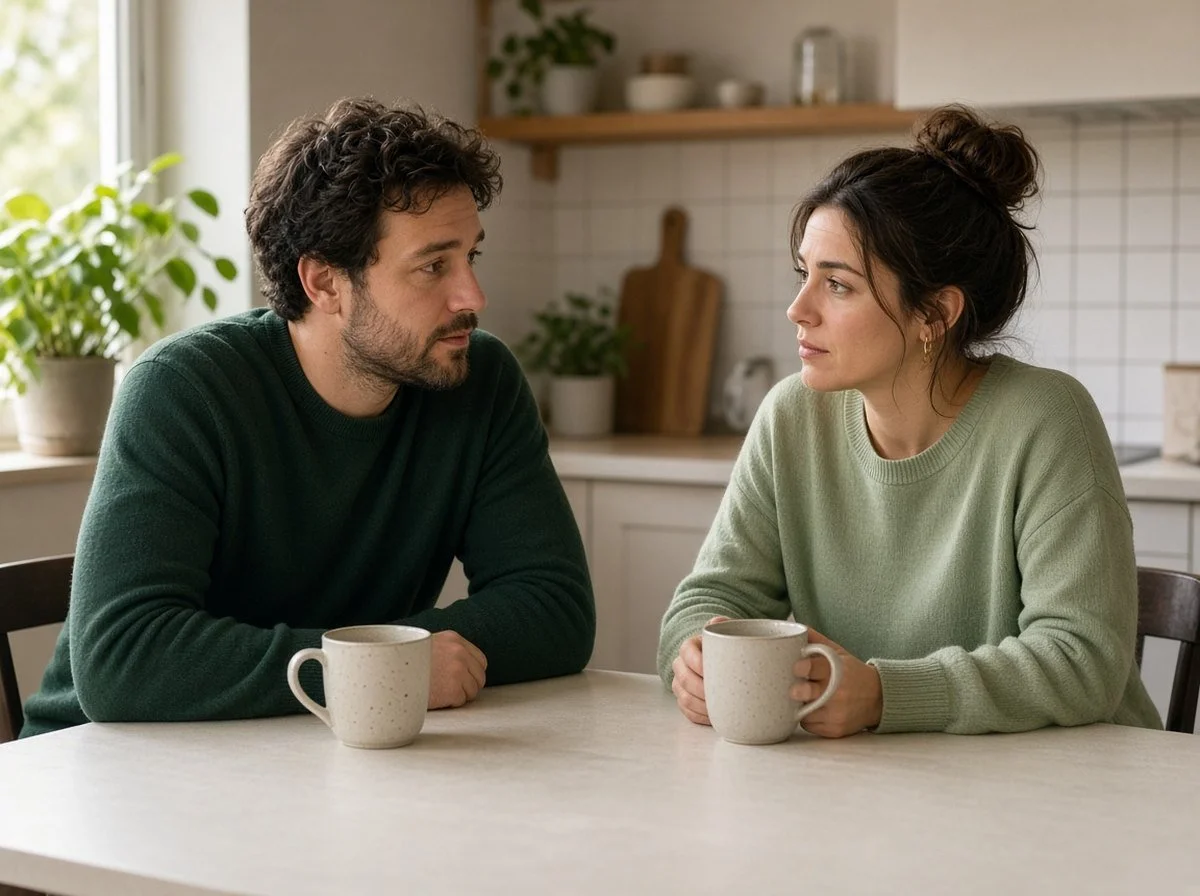
What helps couples therapy work
So what helps couples therapy work? A few things tend to make a real difference:
Both people look at their own part. It does not have to be equal at first. A little openness from each person goes a long way.
Showing up regularly. Change builds over time. Skipping sessions can make it hard to keep momentum.
Trying small changes at home. What you practise between sessions matters as much as what happens in the room.
A good fit with the therapist. You should both feel heard and respected. It is fine to talk about fit.
Enough safety to be honest. Both people need to be able to speak without fear.
None of these need to be perfect. Most couples start out unsure, defensive or tired. That is normal, and a good therapist expects it.
What gets in the way
Some things make couples therapy harder. These are common, and they are not a reason for shame:
Coming mainly to get the therapist to “fix” the other person
Keeping a big secret, such as an ongoing affair, hidden from the work
Contempt, threats or intimidation in or out of sessions
Expecting a quick fix after one or two visits
If you notice one of these, you can say it out loud in session. Naming what is getting in the way is often where real work starts.
People also ask how long couples therapy takes to work. There is no set number of sessions. It depends on what you are working on and how often you meet. You can ask about this at a free 15 minute consultation.

Common worries before starting
It is normal to have doubts before you book. Here are a few that come up often.
”Will the therapist take sides?” A couples therapist’s job is to help the relationship, not to pick a winner. If either of you feels the sessions lean one way, it is fine to say so. That feedback helps the work.
”What if we fight in the session?” Strong feelings are expected. Part of the work is learning to slow a fight down while it is happening, with support in the room.
”What if it brings up things we have avoided?” It might. That can feel hard at first. Many couples find that talking about the hard topic with help is less scary than carrying it alone.
”We tried it before and it did not help.” That happens. Timing, fit and what was going on at the time all matter. A new start, with clear goals, can feel very different.
If only one of you is ready
It is common for one partner to want counselling more than the other. If that is you, you do not have to wait. You can start with individual counselling to understand your own patterns and feelings.
Inviting a partner works better than pushing. You might say, “I want us to feel better together, and I’d like help with that.” Then give them space to think. Pressure tends to bring out more resistance, not less.
When couples therapy is not the right step
Couples therapy is not safe or helpful in every situation. If there is violence, threats, stalking, or you are afraid of your partner, couples sessions may not be safe. Being honest in the room could put you at more risk at home.
In that case, individual counselling is often a better first step. Our post on coercive control explains signs of control that can be hard to spot. If you are in immediate danger, call 911. If you are having thoughts of suicide, call or text 9-8-8.
Couples therapy should never be used to keep someone in an unsafe relationship.
Getting started
Does marriage counselling work for couples who are married, dating or living together? The same ideas apply. Our couples counselling is offered at our Kitchener-Waterloo, Cambridge and Ottawa offices, by phone and online. For online couples sessions, both partners need to be in Ontario during the session.
If you are nervous about the first visit, our guide to your first couples therapy session explains what usually happens and how to prepare.
If you are wondering whether couples therapy could help, book a free 15 minute consultation, in person, online or by phone, and we can talk about fit and next steps. Booking does not commit you to anything, and the call is not a crisis service.
Last reviewed: November 2026