
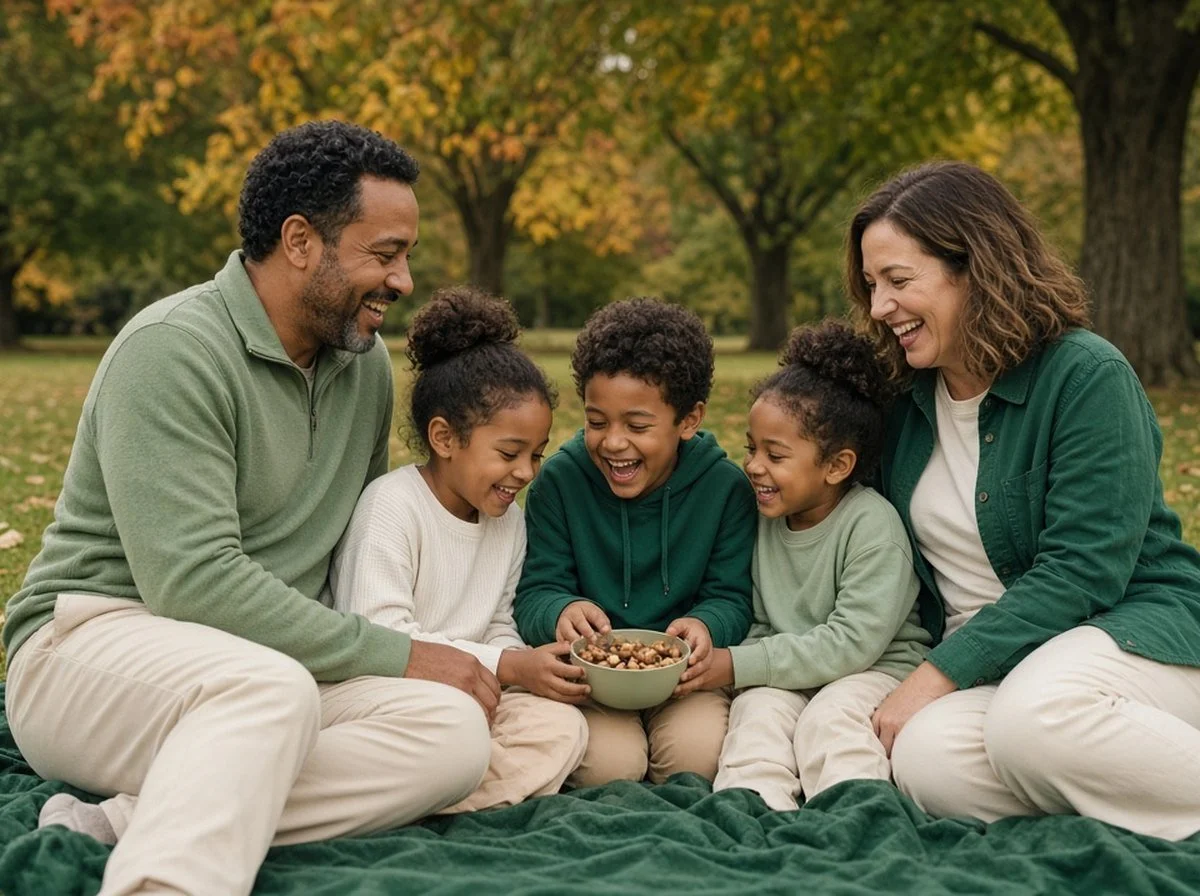
When two families come together, there is often a lot of hope. You love your partner, and you want everyone to feel at home. But life in a blended family, also called a stepfamily, can be more complicated than anyone expected. Kids may resist, parenting styles may clash and old relationships can still pull on the new one. If you're facing blended family problems, it doesn't mean you made a mistake. It means you are doing something hard. This article looks at the most common challenges, why they happen and what actually helps.
Blended families are very common in Canada. With patience, realistic expectations and the right support, many become warm, close and strong.
Why blended families face unique challenges
A first-time family usually starts with a couple, and children arrive later. Everyone grows into their roles together. A blended family starts differently. Parents and children already have close bonds and history, while the stepparent and stepchildren are new to each other. Kids have often lived through a loss, like a divorce or the death of a parent, before the new family begins.
This means blended families are not just "regular families with extra people." They have their own shape, and they need their own approach. Stepfamily experts often say that it can take several years for a blended family to feel settled. Expecting instant closeness tends to lead to disappointment. Expecting a gradual process leads to more patience for everyone.
Common blended family problems
Children's loyalty binds
Many children feel that liking a stepparent means betraying their other parent. They may be cold or rude, not because the stepparent has done anything wrong, but because they feel caught in the middle. This is especially common when parents are in conflict.
Who disciplines whom?
Discipline is one of the biggest sources of tension. When a stepparent steps in to set rules too early, children often push back hard: "You're not my parent!" Meanwhile, the stepparent may feel disrespected and unsupported.
Different parenting styles
Each adult comes with their own rules about bedtime, screens, chores and manners. When two households merge, those differences can lead to arguments and feelings of unfairness among the children.
Feeling like an outsider
Stepparents often feel left out of the strong bond between their partner and their partner's kids. Parents, in turn, can feel torn between their children and their partner.
Ex-partners and co-parenting
A former partner is still part of the family picture. Schedules, handoffs, different rules between homes and unresolved conflict can all spill into the new household.
Sibling and stepsibling tension
Children may have to share rooms, attention and parents. Birth order can shift. An oldest child may suddenly be a middle child. A new baby can bring joy and also jealousy.
Money and practical matters
Child support, spending on different children, wills and household costs can be touchy topics that couples avoid until they turn into conflict.
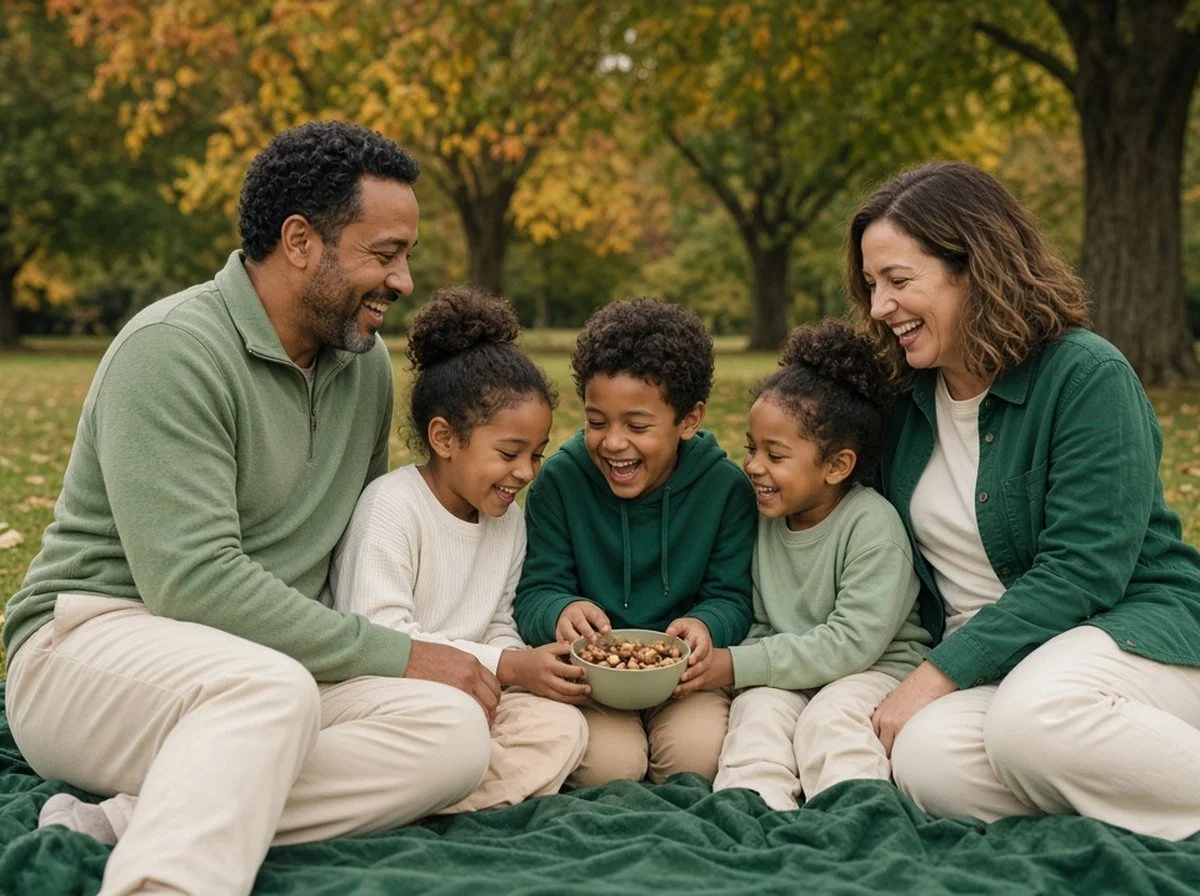
What helps blended families thrive
1. Let the parent lead on discipline, at first
Most stepfamily experts suggest that in the early years, the biological parent handles discipline, while the stepparent focuses on building a warm connection. The stepparent can act more like a caring adult, coach or mentor. Over time, as trust grows, the stepparent's role can expand. Couples agree on household rules together in private, and the parent presents them to the kids.
2. Build one-on-one time
Protect time for each type of relationship:
Parent and child: kids need to know they haven't lost their parent to the new partner
Stepparent and stepchild: short, low-pressure time doing something the child enjoys
The couple: regular time just for the two of you
3. Don't force closeness
You can't make a child love a stepparent. What you can do is be kind, reliable and interested. Many children warm up slowly, and respect often comes before affection.
4. Free children from loyalty binds
Tell children directly that they don't have to choose. "You can love your mom and still have a good relationship with me." Never speak badly about the other parent in front of the kids.
5. Create new traditions, and keep some old ones
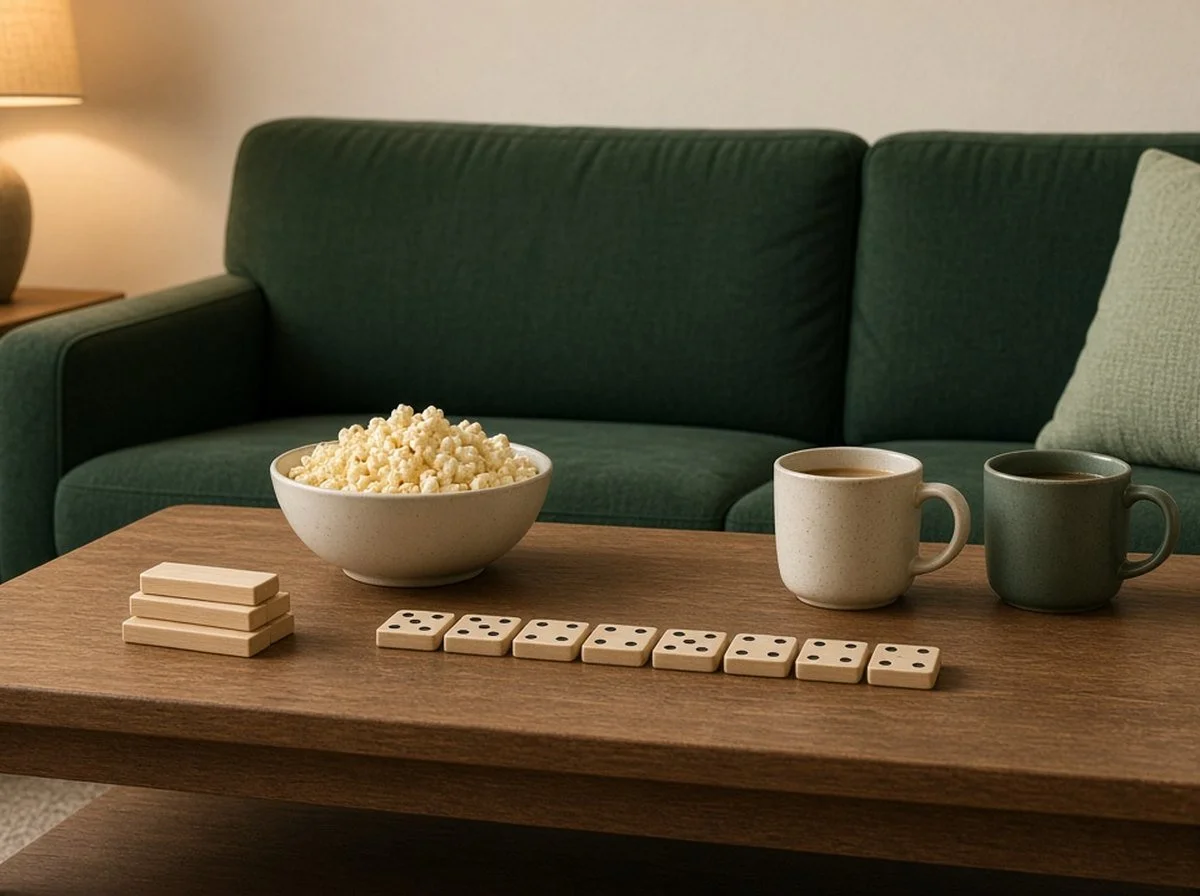
A new weekly games night or holiday ritual gives the family something that belongs to everyone. At the same time, keeping some traditions from each original family helps kids feel their past still matters.
6. Keep the couple strong
The couple relationship is the foundation of the household. Regular check-ins, honest talks about parenting and a united front help everyone feel more secure. Our couples therapy and marriage counselling can help you stay connected while you work through stepfamily stress.
7. Work toward a respectful co-parenting relationship
You don't have to be friends with an ex, but calm, business-like communication helps children a lot. Keep kids out of adult conflicts and avoid using them as messengers.
Talking with kids about the new family
Children of different ages need different things.
Young children need lots of reassurance, predictable routines and simple explanations.
School-age children may ask many questions and worry about fairness. Listen and answer honestly.
Teens are working on independence and may be the slowest to accept a stepparent. Give them space, respect their privacy and don't take their distance personally.
Invite children to share their feelings, including the hard ones. "It's okay to miss how things used to be" can open up a real conversation.
When to get help
Consider counselling if:
arguments about the kids are straining your relationship
a child seems very withdrawn, angry or sad for weeks
stepsiblings are in constant conflict
conflict with an ex keeps spilling into your home
you feel like strangers living under one roof
you're thinking about separating again
How counselling helps blended families
A therapist can help your family understand what's normal, set realistic expectations and build new ways of working together. Depending on your needs, counselling might include:
Couples sessions to get on the same page about parenting, money and roles
Family sessions to help everyone share feelings and solve problems together
Individual sessions for a stepparent, parent or child who is struggling
Co-parenting sessions to help separated parents communicate and plan for their children
Learn more on our family counselling and family therapy page, or explore counselling for parents.
Getting started at Transformation Counselling
We offer counselling for blended families in person in Waterloo, Kitchener, Cambridge and Ottawa, and online across Ontario. You don't need a referral, and evening and weekend appointments are available.
Sessions with our therapists are $130 to $200, and there is a one-time $50 setup fee. Many workplace benefit plans cover therapy.
If anyone in your family is in crisis, call or text 9-8-8 at any time. In Waterloo Region you can also call Here 24/7 at 1-844-437-3247. In an emergency, call 911.
Frequently asked questions
How long does it take for a blended family to feel normal?
It varies, but it often takes several years. Younger children may adjust more quickly, while teens may take longer. Slow progress is still progress.
Should my partner discipline my kids?
In the early stages, it usually works better for the parent to handle discipline, with rules agreed on together as a couple. The stepparent can focus on building a relationship first.
What if my stepchild says they hate me?
Try not to take it personally. Strong words often come from loyalty binds, grief or fear. Stay calm, kind and consistent, and talk with your partner about how to respond.
Can we do family counselling if the other parent won't take part?
Yes. Your household can come to counselling together, and many families benefit even when not everyone is involved.
Do you offer co-parenting sessions?
Yes. Co-parenting sessions can help separated parents communicate better and make plans that put children first.
Take the first step
Building a blended family takes time and teamwork. Book a free 15-minute consultation and we'll help you find the right support for your family. Or you can book an appointment directly.