
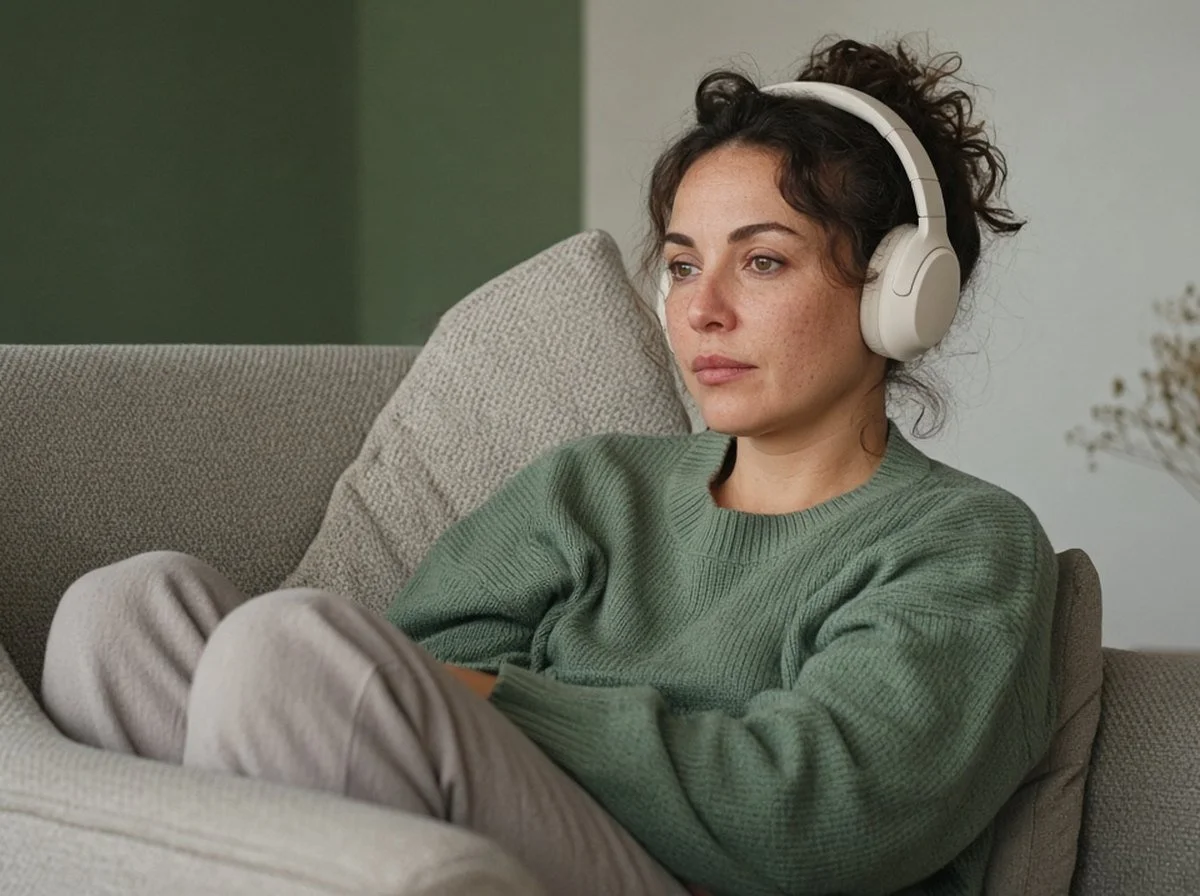
You used to be able to manage. Work, conversations, errands, the noise of the grocery store. Then, slowly or all at once, everything got harder. You're exhausted in a way sleep doesn't fix. Things you used to do without thinking now take huge effort. Lights feel brighter, sounds feel louder and you just want to be alone. Many autistic adults have a name for this experience: autistic burnout. This guide explains what it is, why it happens, how it differs from regular burnout and depression, and what can help.
This post uses the phrase "autistic people," and we respect whatever language you use for yourself. It's general information, not a diagnosis.
What people mean by autistic burnout
The term "autistic burnout" has been widely used by autistic adults, including on social media, to describe their own experiences. Research has only recently begun to catch up. When researchers led by Dora Raymaker published one of the first studies on the topic in 2020, they noted that autistic burnout was almost completely absent from the academic and clinical literature.
That 2020 study in the journal Autism in Adulthood offered this definition: autistic burnout is a syndrome conceptualized as resulting from chronic life stress and a mismatch of expectations and abilities without adequate supports. It is characterized by pervasive, long-term (typically 3+ months) exhaustion, loss of function and reduced tolerance to stimulus.
In plainer words, it's what can happen when the demands of life outweigh your capacity for too long, and you don't get the support or relief you need.
What it can feel like
Every person's experience is different, but many autistic adults describe a similar set of changes. In the Raymaker study, autistic adults described the main features as chronic exhaustion, loss of skills and reduced tolerance to stimulus. That can look like:
Deep exhaustion. A tiredness that rest doesn't seem to touch.
Skills that suddenly feel harder. Speaking, planning, cooking, keeping up with messages or managing daily routines may take far more effort than before, or feel out of reach.
Lower tolerance for sensory input. Noise, light, textures, crowds and touch may become overwhelming.
Pulling away. Needing much more time alone, and having less energy for people.
More shutdowns or meltdowns. Feeling closer to your limit, more often.
Many people say the loss of skills is one of the most frightening parts. It can feel like you're losing yourself. Knowing that this is a recognized pattern can be a relief.
Why it happens
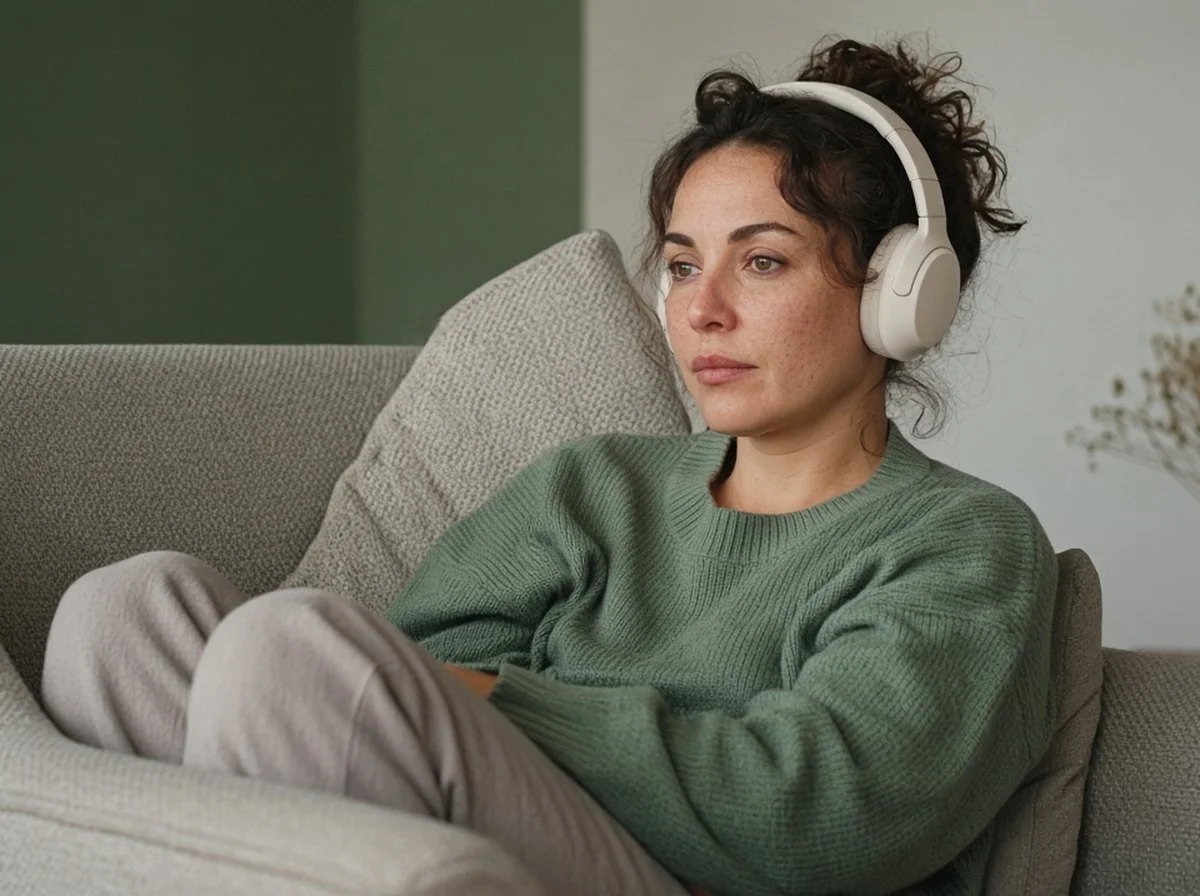
The Raymaker study found that autistic adults described burnout as happening because of life stressors that added to the cumulative load they experienced, and barriers to support that made it impossible to get relief from that load. Over time, those pressures caused expectations to outweigh abilities.
Common pressures many autistic adults describe include:
Masking. Hiding autistic traits or copying others to fit in. A 2022 study of online posts about autistic burnout, also published in Autism in Adulthood, found that masking or camouflaging to pass as non-autistic was the most common reason people gave for their burnout.
Sensory load. Spending long stretches in noisy, bright or crowded places.
Change and transitions. A new job, a move, a breakup or a loss.
Demands that never let up. Work, family, social expectations and daily tasks without enough recovery time.
Not being understood. Feeling judged, dismissed or unsupported by the people around you.
Autistic burnout versus regular burnout
The word "burnout" is used in different ways, which can be confusing.
The World Health Organization (WHO) includes burnout in the ICD-11 as an occupational phenomenon, and says it is not classified as a medical condition. ICD-11 describes burnout as a syndrome conceptualized as resulting from chronic workplace stress that has not been successfully managed, with three dimensions: exhaustion, increased mental distance from or cynicism about one's job, and reduced professional efficacy. WHO notes that it refers specifically to the occupational context.
Raymaker and colleagues noted that their definition of autistic burnout was structured similarly to the ICD-11 workplace definition, but their findings suggest the two are different. Here's a simple comparison:
Occupational burnout: tied to work stress; centres on exhaustion, cynicism about work and feeling less effective at your job.
Autistic burnout: linked to the load of life as a whole, including masking and sensory demands; centres on exhaustion, loss of skills and lower tolerance to stimulus.
The Raymaker study concluded that autistic burnout appears to be a phenomenon distinct from occupational burnout or clinical depression.
Autistic burnout versus depression
Autistic burnout and depression can look alike. Both can involve exhaustion, withdrawal and trouble thinking or concentrating. MedlinePlus, from the U.S. National Library of Medicine, describes depression as more than a feeling of being sad or irritable for a few days, and as a serious mood disorder.
The Raymaker researchers were careful about this. They noted that some features of autistic burnout described online, such as fatigue and trouble thinking or concentrating, are shared with clinical depression, and their study set out to understand whether the two are different. Their findings suggest they are distinct. Still, the two can overlap, and a person can experience both at the same time. Treating one as the other can mean missing what you really need.
Only a qualified professional can help you sort out what's happening, and it's worth asking for help either way. The Raymaker study found that autistic adults described serious impacts of burnout on their health and quality of life, including suicidal behaviour.
If you're having thoughts of suicide, call or text 9-8-8 any time, day or night. If you're in immediate danger, call 911. You can find more options on our crisis lines page.
If you are not sure you are autistic
Many adults first learn they may be autistic after a long stretch of exhaustion or struggle. The 2022 study of online posts found that some people described positive outcomes of autistic burnout, including an autism diagnosis in adulthood, finding the autistic community and making empowering lifestyle changes.
If you've spent years masking or feeling different without knowing why, you're not alone. Our post on what it's like to have autism as an adult shares common experiences of autistic adults. If you'd like clarity, our psychologist offers adult autism assessments in Kitchener-Waterloo.
What can help recovery
Recovery from autistic burnout often takes time, and it usually means reducing load, not pushing harder. In the Raymaker study, autistic adults described acceptance and social support, time off or reduced expectations, and doing things in an autistic way or unmasking as associated with recovery.
In everyday terms, that might include:
Rest without guilt. Rest is part of recovery, not a sign of weakness.
Fewer demands. Saying no, delaying non-urgent tasks and asking others to help.
Sensory relief. Quiet spaces, headphones, softer lighting or whatever helps your senses settle.
Unmasking where it's safe. Spending time with people who accept you as you are.
Changes at work or school. Flexible hours, a quieter workspace or clearer instructions, if they're possible for you.
Time with your interests. Doing things you love can help restore energy.
There's no single path, and recovery isn't always linear.

How we can help
Our therapists start from respect and strength. As our autism counselling page puts it, autism isn't a disease to fix, but part of who you are. Counselling can be a place to understand your needs, manage sensory overload and emotions, work through anxiety or low mood, and plan a life with less pressure to mask. Sessions are available in person or online.
Sessions with our therapists range from $130 to $200. Depending on your plan, insurance may cover some or all of the cost, and we direct bill many insurers, even for sessions with a registered psychotherapist (qualifying).
Your first step
Book a free 15-minute consultation with our admin team. They can answer your questions about counselling and assessments and help you find a therapist who understands neurodiversity.
You deserve support that fits the way you are.