
Children don't always have the words for what they feel. A seven-year-old may not be able to say, "I'm scared since Grandpa got sick," but they might line up toy soldiers to guard a hospital bed, or suddenly refuse to sleep alone. Play therapy is a way of helping children through the language they already speak best: play. This guide explains what play therapy is, how it works, what a session looks like and how you, as a parent, fit in.
If you've been wondering whether your child could use some extra support, you're in the right place. We offer play therapy for children ages 6 and up.
What is play therapy?
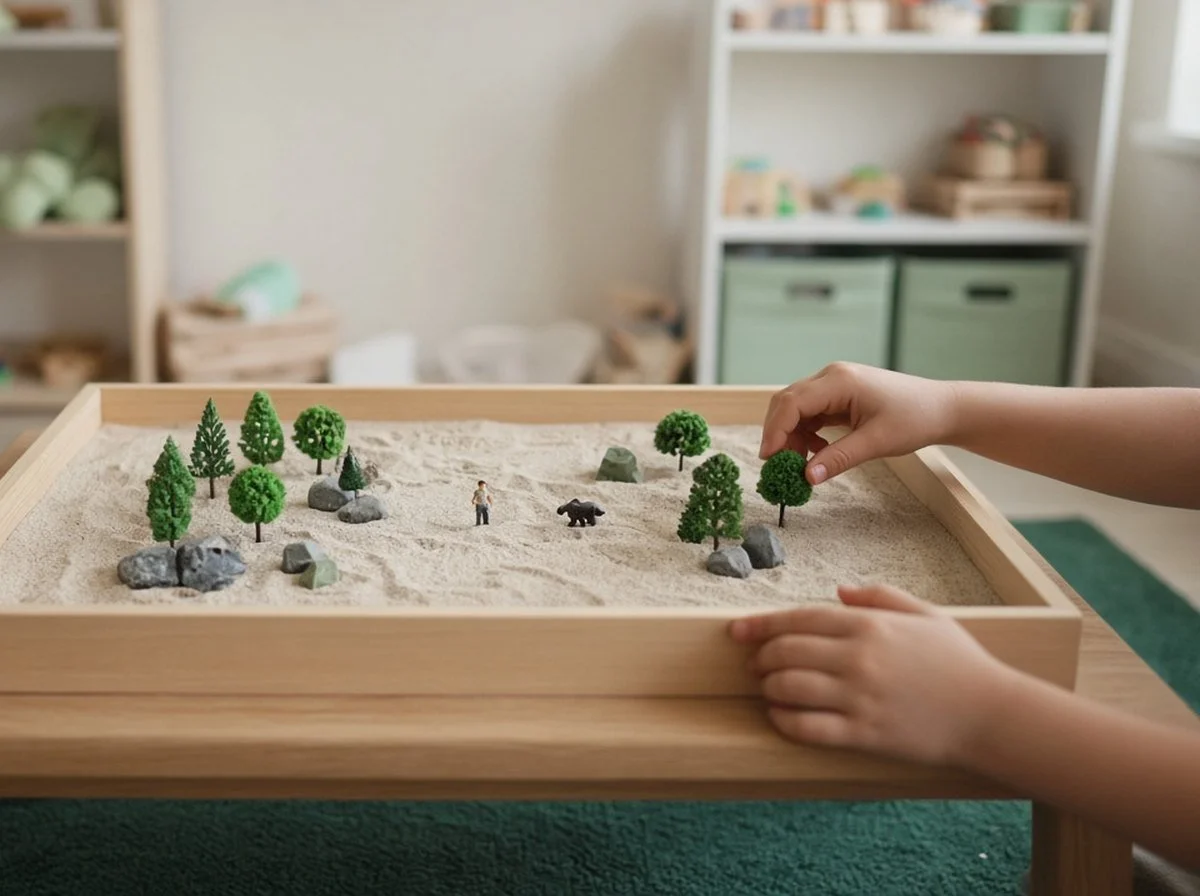
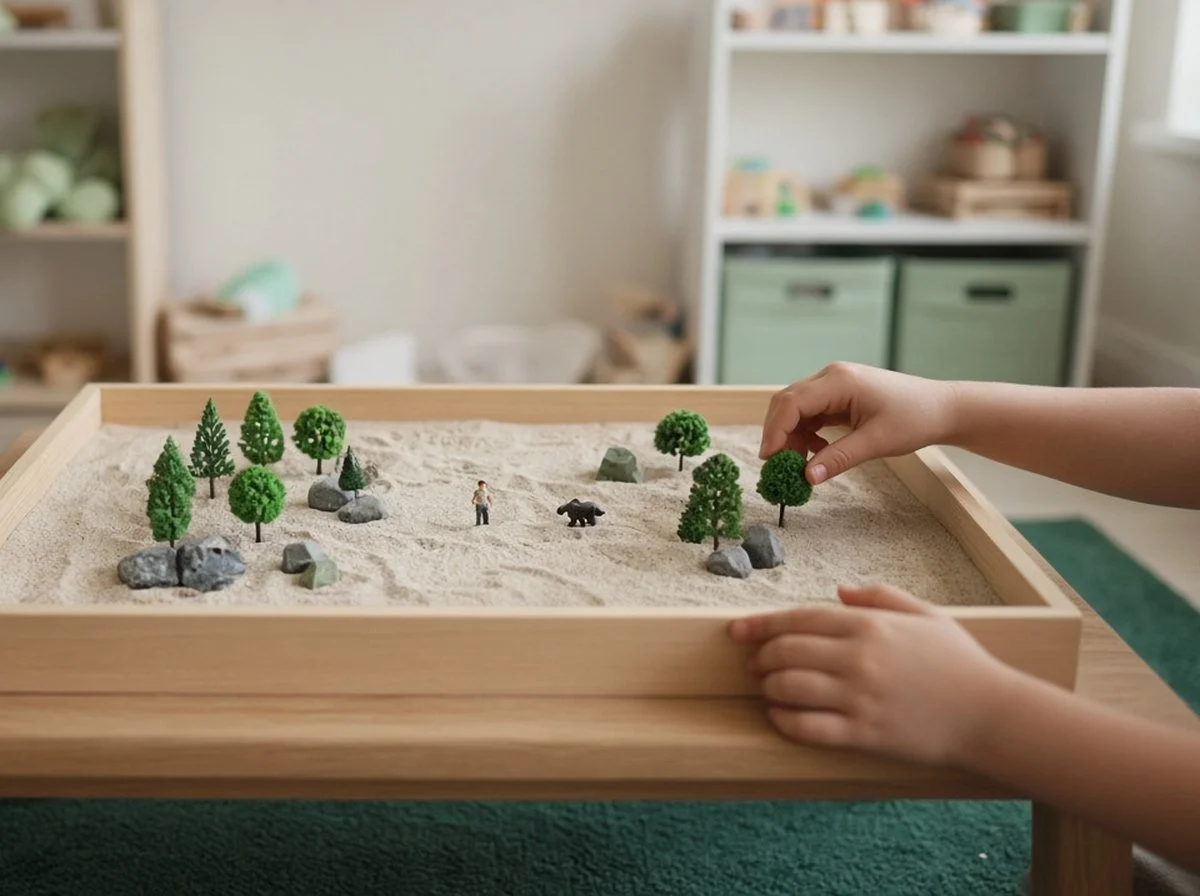
Play therapy is a type of counselling for children that uses play as the main way to communicate. Instead of sitting on a couch and talking, a child might build with blocks, draw, act out a story with puppets or create a scene in a sand tray while a trained therapist watches, listens and gently joins in.
To an adult, it can look like "just playing." It isn't. The therapist chooses the toys and activities with care and pays close attention to the themes that come up. Over time, play gives a child a safe way to show worries, work through hard experiences and practise new ways of coping.
Play therapy is one of several approaches our child therapists use. Others include sand tray work, narrative therapy, visualization, cognitive behavioural therapy (CBT), art and sound activities, and movement such as yoga. Your child's therapist will choose what fits your child best.
Why play works for children
Play is how children make sense of the world. Long before they can explain feelings in words, they act them out. A child who has been through a scary event may replay it again and again with toys. A child who feels powerless at school may enjoy being the boss in a pretend game.
In play therapy, this natural process happens with a caring adult who understands what the play may mean. That helps children:
express feelings they can't yet put into words
feel safe and in control while facing something hard
make sense of confusing or painful experiences
try out new behaviours, like asking for help or calming down
build confidence and a sense of mastery
strengthen their relationship with a trusted adult
Because play feels normal and fun, many children relax faster than they would in a talk-only session.
Signs your child might benefit
Every child has hard days. It may be time to reach out when a problem lasts for weeks, gets worse or starts to affect home, school or friendships. Play therapy can help children who are:
having big meltdowns, anger or trouble calming down
struggling after a loss, a move, a separation or divorce
coping with a scary or upsetting experience
having trouble making friends or getting along with others
showing changes in sleep, eating or toileting with no medical cause
dealing with a new sibling, a blended family or other big changes
You don't need to know exactly what's wrong before you call. Sorting that out is part of the first step.
What happens in a play therapy session
Most sessions take place in a playroom or a calm office set up with carefully chosen toys and art supplies. Your child is invited to play, and the therapist follows their lead or offers a gentle activity, depending on the approach.
Toys and tools you might see
a sand tray with small figures of people, animals, houses and vehicles
art supplies for drawing, painting and clay
puppets, dolls and a dollhouse for acting out family life
building toys and blocks
simple games that teach turn-taking, patience and feelings words
calming tools, like breathing games or movement activities
The therapist may describe what they notice ("That dinosaur looks really angry"), reflect feelings or help your child find a new ending to a story. Children don't have to talk about the hard thing directly. Often the healing happens through the play itself.
The first sessions
The first step is getting to know your child and your family. At Transformation Counselling, each child receives a full assessment of their background, strengths and needs so the therapist can build a plan that fits. Parents usually share history and goals, and the therapist spends time helping your child feel comfortable before any deeper work begins.
How parents are involved
You know your child better than anyone, so you are an important part of the team. Depending on your child's needs, parent involvement may include:
meeting with the therapist to share history and goals
regular check-ins about progress and what to try at home
parent-only sessions to build skills and confidence
family sessions, when working together would help most
Our counselling for parents can also support you with communication, routines and your own stress. Therapists respect your child's privacy in the playroom, but they will always share safety concerns with you.

Is play therapy backed by research?
Yes. Reviews that pooled the results of many studies have found that play therapy helps children with a range of emotional and behavioural problems. One large review also found that results tended to be stronger when parents were actively involved in the work. Like any therapy, it works best when it fits the child, the family and the goals.
What about older children and preteens?
Play therapy isn't only for young kids. Many children in the later elementary years still find it easier to open up while their hands are busy. For older kids, "play" often looks different: drawing, building, board games, sand tray scenes or making up stories. As children grow into their teens, therapy usually shifts toward more talking, but creative tools can still help. Your child's therapist will adjust the approach as they grow.
How long does play therapy take?
There is no set number of sessions. Some children feel better after a short stretch of work, while others benefit from support over a longer period, especially after a big loss or a hard experience. Your therapist will talk with you about goals and check progress along the way.
Play therapy at Transformation Counselling
We offer play therapy and counselling for children ages 6 and up, along with support for parents and family therapy. Your free 15-minute consultation is the place to ask questions, talk about your child's needs and find the right therapist and location. No doctor's referral is needed, and evening and weekend appointments are available.
Sessions with our therapists are $130 to $200, and there is a one-time $50 setup fee. Many workplace benefit plans cover counselling, and some cover dependants too, so check your plan.
If your child is in crisis or you are worried about their safety, call or text 9-8-8 at any time. Children and teens can also reach Kids Help Phone at 1-800-668-6868 or text CONNECT to 686868. In Waterloo Region, call Here 24/7 at 1-844-437-3247. In Ottawa, the YSB crisis line is 613-260-2360. In an emergency, call 911.
Frequently asked questions
What age is play therapy for?
We offer play therapy for children ages 6 and up. Play-based and creative tools can also help older children and preteens.
Will my child know it's therapy?
Your therapist will explain it in simple words, like "a place where kids play and talk about feelings." Most children simply look forward to the playroom.
Do I stay in the room?
It depends on your child's age, needs and the approach. Some sessions are just your child and the therapist, some include you, and some are for parents only. Your therapist will explain the plan.
What if my child won't talk?
That's okay. Play therapy doesn't depend on talking. Many children say more through play than they ever would with words.
Is play therapy covered by insurance?
Many extended health plans cover counselling with a registered therapist, and some cover dependants. Check your plan for details.
Take the first step
If your child is struggling, you don't have to figure it out alone. Book a free 15-minute consultation to talk about play therapy and what might help your child. Or you can book an appointment directly.