

Complex PTSD can be hard to explain, even to yourself. There may not be one clear memory that replays. Instead, there might be a constant sense of being on guard, a harsh voice inside, waves of feelings that seem too big for the moment and a deep worry that something is wrong with you. If you've wondered what is it like to have complex PTSD, this post describes how it can feel from the inside, in plain words and without graphic detail, and what healing can feel like.
This post is general information, not a diagnosis or a treatment plan. Our psychologists can assess for PTSD and complex PTSD if you want a clear answer.
Your safety comes first. If you're being hurt now or feel unsafe, call 911 in an emergency.
Complex PTSD in a sentence or two
Complex post-traumatic stress disorder (complex PTSD or C-PTSD) is a diagnosis in the World Health Organization's ICD-11. WHO describes it as something that may develop after an event or series of events of an extremely threatening or horrific nature, most commonly prolonged or repeated events from which escape is difficult or impossible.
Along with the symptoms of PTSD, ICD-11 describes severe and persistent problems with managing emotions, beliefs about yourself as diminished, defeated or worthless, with shame, guilt or failure, and difficulty staying in relationships and feeling close to others. Those three areas shape much of what it feels like to have complex PTSD.
What do C-PTSD flashbacks feel like?
When people hear "flashback," they often picture a vivid memory replaying like a movie. With complex PTSD, there's another kind. Psychotherapist Pete Walker, who writes about complex PTSD, uses the term emotional flashback for sudden and often prolonged regressions to the frightening feeling-states of childhood. He notes that most emotional flashbacks don't come with a visual memory, so people often don't realize what's happening.
So, what do C-PTSD flashbacks feel like? In plain words, it can feel like suddenly being flooded with fear, despair or shame that's much bigger than what's in front of you. You might feel small, young or helpless. You might want to hide. Walker describes how a harsh inner critic often piles shame on top, which can make it harder to reach out for comfort.
What does a complex PTSD trigger feel like?
What does a complex PTSD trigger feel like? It can be a tone of voice, a facial expression, a door closing or a feeling of being criticized. One moment you're fine, and the next your body is braced and your mind is certain something bad is happening. Afterward, you may feel exhausted, embarrassed or confused about why it hit so hard.

What does complex PTSD feel like on an ordinary day?
What does complex PTSD feel like when nothing in particular is happening? It can feel like a low hum of tension. You might wake up already tired, brace before checking messages or rehearse conversations in case someone is upset with you. Small decisions can feel heavy, because getting it wrong feels dangerous. Joy can be there too, but it may feel fragile, as if it could be taken away. If what it feels like to have complex PTSD is hard to describe, that makes sense. Much of it lives below words.
The inner critic and the weight of shame
ICD-11 names beliefs about yourself as diminished, defeated or worthless as part of complex PTSD. From the inside, that can sound like a constant voice saying you're not enough, you're too much or you're broken in a way other people aren't.
That shame can make it hard to accept kindness, to ask for help or to believe good things about yourself. You might work very hard to be perfect, or feel like a fraud when things go well. These beliefs often formed to make sense of things that were never your fault.
Closeness feels risky
ICD-11 also names difficulty staying in relationships and feeling close to others. You might want closeness and fear it at the same time. Trust can feel dangerous. You might pull away when someone gets close, test whether they'll stay or focus so much on keeping others happy that you lose track of what you need.
None of this means you don't care. It can mean your nervous system learned that closeness and danger often came together.
Big feelings, or no feelings at all
Problems with managing emotions are part of the ICD-11 description. For some people, that means feelings that rise fast and are hard to settle. For others, it means going numb, flat or far away. You might swing between both. Neither is a choice, and both can be exhausting.
A body that stays on guard
PTSD symptoms include an ongoing sense of threat, and with complex PTSD that can feel like a body that never fully relaxes. You might scan rooms, startle easily, sleep lightly or feel tense even when nothing is wrong. Rest can feel unsafe, as if letting your guard down invites something bad.
What does complex trauma feel like over the years?
What does complex trauma feel like over the long term? It can feel like being different from everyone else, without knowing why. It's possible to live with complex PTSD for years without a name for it. You may have been told you're too sensitive, too anxious or too difficult. Finding the words can bring relief, and sometimes grief too.
Living with complex PTSD, day to day
Living with complex PTSD can mean planning around triggers, needing more recovery time after social events, struggling to trust your own feelings and working hard to look okay. It can also mean deep strength, empathy and resilience. Both can be true.
What does it feel like to have C-PTSD and finally be understood?
What does it feel like to have C-PTSD and have someone finally understand? It can feel like relief, like putting down a heavy bag. You're not imagining it, and you're not broken. There are reasons your mind and body work the way they do, and there are ways to feel safer.
What healing can feel like
Walker emphasizes that recovery is gradual, often two steps forward and one step back, and that over time flashbacks can become less intense, shorter and less frequent.
Healing usually doesn't feel like a single breakthrough. It might feel like catching a flashback a little sooner, being kinder to yourself afterward, letting one safe person get a bit closer or noticing a moment when your body actually relaxes. Trauma therapy often starts with safety and skills before working with painful memories, at a pace you choose.
How trauma counselling helps, and where to start
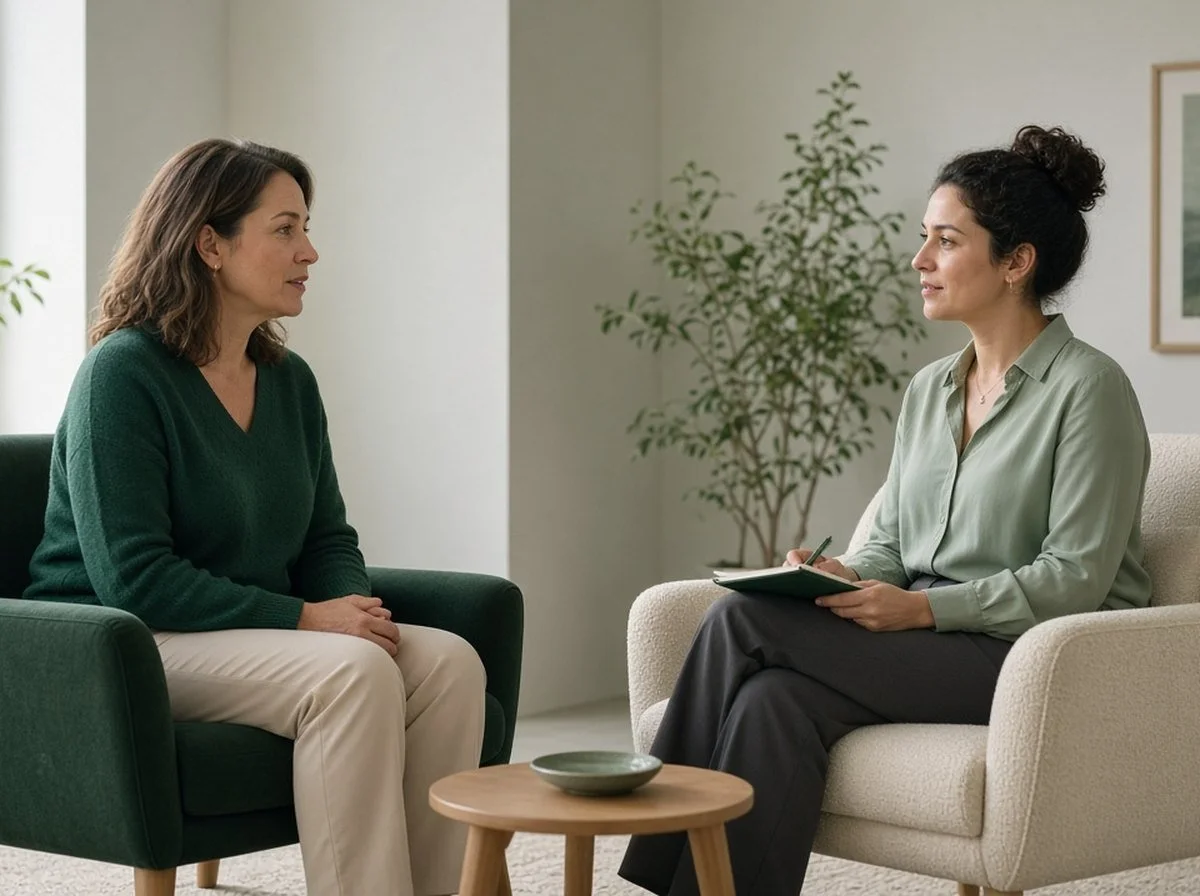
A trauma-informed therapist can help you understand what you're experiencing, build ways to settle strong emotions and work with your inner critic and relationship patterns. Approaches like EMDR therapy can be part of care when you're ready.
We offer trauma and PTSD therapy, including EMDR, at every office. Our psychologists can assess for PTSD and complex PTSD, and our Registered Psychotherapists (RPs) and Registered Social Workers (RSWs) provide therapy.
We offer counselling in person in Waterloo, Kitchener, Cambridge and Ottawa, and online anywhere in Ontario on a secure, encrypted video platform.
Sessions with our therapists range from $130 to $200, depending on the clinician.
Depending on your plan, insurance may cover some or all of the cost. Coverage varies, so check your plan.
We can direct bill many insurers, including for sessions with a Registered Psychotherapist (Qualifying). Desjardins is the exception: through TELUS eClaims, we can direct bill Desjardins for sessions with an RSW, RP or psychologist, but not for an RP (Qualifying).
Book a free 15-minute consultation with our admin team. You set the pace.
If you're in crisis: if anyone is in immediate danger, call 911. If you're thinking about suicide or self-harm, call or text 9-8-8 any time. More options are on our crisis lines page.
Last reviewed: October 2026
Sources
Complex PTSD, NHS
Evidence for proposed ICD-11 PTSD and complex PTSD: a latent profile analysis (European Journal of Psychotraumatology, 2013), peer-reviewed, via NIH PubMed Central