
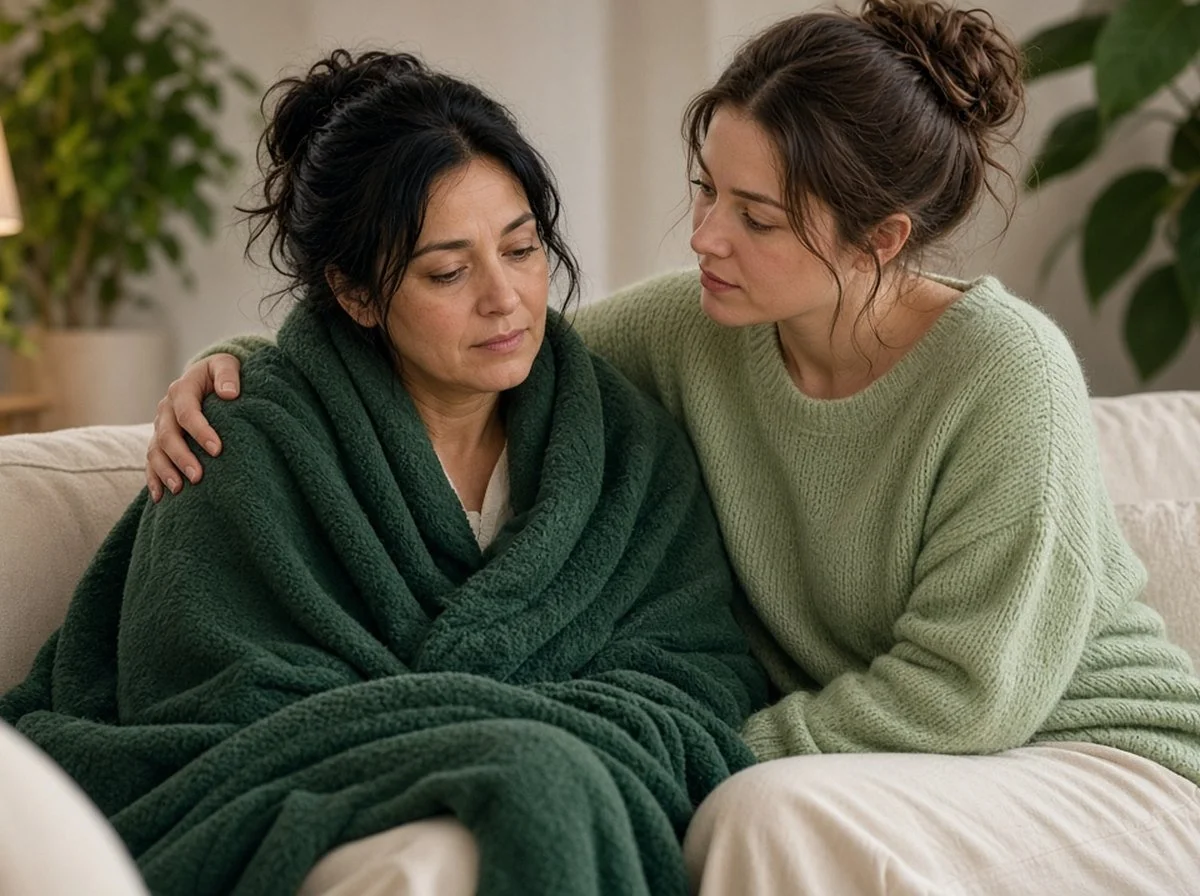
After a violent crime, the days and weeks that follow can feel chaotic. You may be scared, hurt and suddenly facing costs you never planned for, like new locks, a funeral or counselling. Ontario's Victim Quick Response Program+ (VQRP+) helps victims, witnesses and family members pay for some essential costs soon after a violent crime. This guide explains who qualifies, what the program pays for, the deadlines and how to apply.
This is general information, not legal advice. The Government of Ontario decides every application, and the rules can change.
What the VQRP+ is
The VQRP+ is run by the Government of Ontario. Ontario says it gives short-term support for essential expenses in the immediate aftermath of a violent crime. The goals are to:
reduce the impact of the crime
make you safer
meet urgent practical needs
It's meant as a last resort. It supports people who have no other way to pay, such as private insurance, and where no other publicly funded program can help.
Who can apply
According to Community Legal Education Ontario (CLEO), to get help you must:
be a victim or witness of a violent crime that took place in Ontario
live in Ontario
report the crime
have no money or insurance to pay for the expenses
show you can't get help from another publicly funded program
You can also apply if the crime happened to someone in your immediate family. If you're under 16, a parent or guardian can apply for you.
Usually, you must not be charged with an offence related to the crime. CLEO says there are exceptions, for example, for victims of human trafficking or intimate partner violence when there are safety concerns.
Reporting doesn't always mean police
Many people worry about this part. CLEO says you can report the crime to the police, or in some situations to another organization:
For child abuse, you can report to a child protection agency.
For domestic violence, sexual assault, human trafficking, criminal harassment, elder abuse or a hate crime, you can report to a community victim support agency, such as a shelter, sexual assault centre or hospital.
What the program pays for
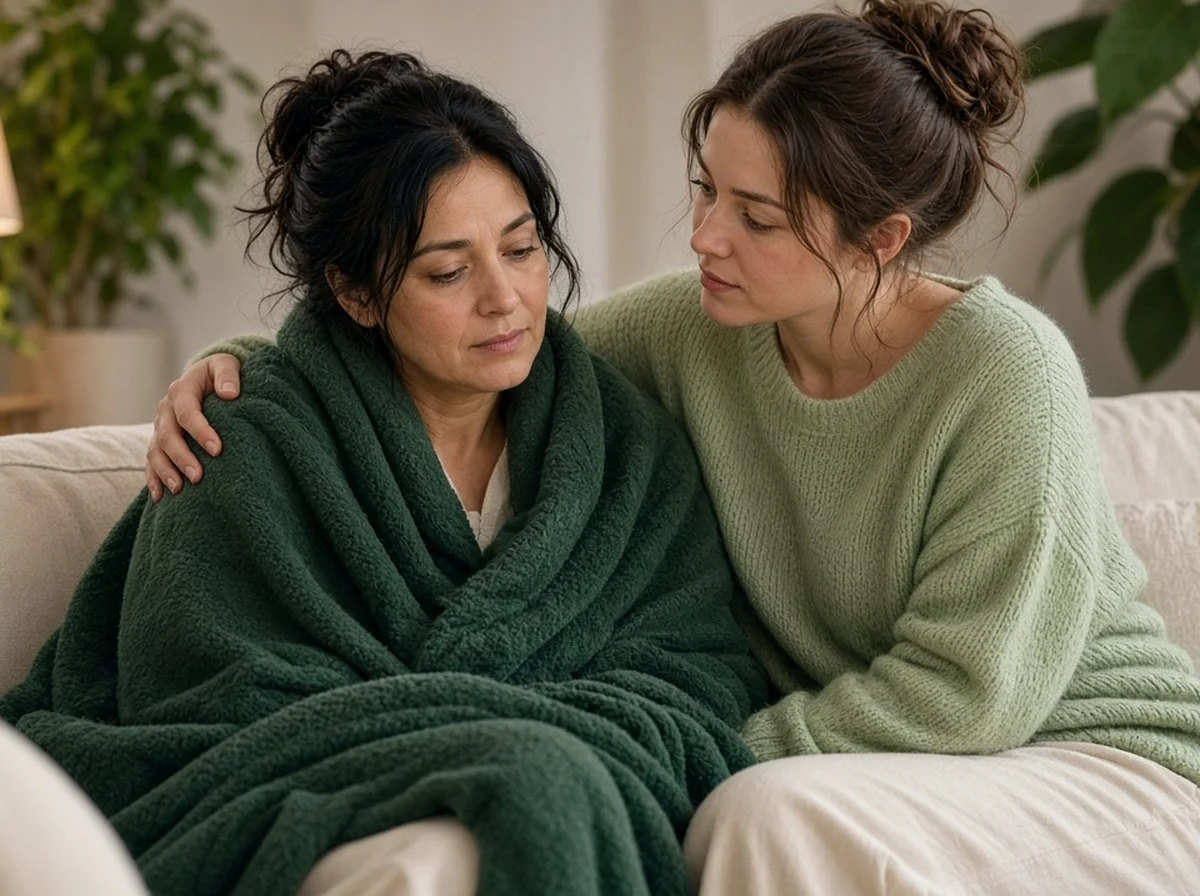
CLEO lists these expenses, with the most the program pays and the deadline to claim, counted from the date of the crime:
Short-term counselling: up to $1,000, within 6 months
Traditional Indigenous health services: up to $2,550, within 6 months
Funeral expenses: up to $5,000, within 45 days
Crime scene cleanup (biological and harmful materials only): up to $1,500, within 45 days
Immediate safety expenses, such as new locks, broken windows or a cell phone: up to $1,000, within 45 days
Support for serious injuries: depends on the expense, within 1 year
Practical expenses, such as groceries, temporary housing or aids for victims with disabilities: depends on the expense, within 45 days
CLEO says counselling support can include travel costs to get there.
What it doesn't pay for. The program doesn't give money for pain and suffering. CLEO also says it doesn't pay for income you lose because you can't work.
Deadlines and exceptions
The deadlines are short, so it helps to act quickly. CLEO says it may be possible to extend a deadline if you have good reasons for missing it. The deadlines are also different for victims under 18.
If you're past a deadline, ask a VQRP+ service provider anyway. Don't assume you're shut out.
How to apply, step by step
Step 1: Report the crime. Report to the police or, where allowed, another organization as described above.
Step 2: Connect with a VQRP+ service provider. When you report, the police or the other organization may refer you. You can also find a provider through the Ontario government's victim services directory, or by calling Ontario's Victim Support Line at 1-888-579-2888.
Step 3: Get assessed. Ontario says you must be assessed for eligibility by a local service provider. They'll explain which expenses may be covered.
Step 4: Apply with their help. If you're eligible, the service provider helps you with the application. CLEO notes that the service provider doesn't approve it. The Government of Ontario decides.
Step 5: Get a decision. CLEO says there's no court or tribunal hearing. You should get a decision letter within 3 to 10 business days. CLEO gives these typical processing times:
about 3 business days for funeral and emergency expenses
about 5 business days for counselling or traditional Indigenous healing
about 10 business days for people seriously injured by a violent crime
Step 6: Keep your receipts. CLEO says you must keep all receipts to show what you paid.
If you were seriously injured
The program offers more support for people who were seriously injured in a violent crime. CLEO says the deadline is 1 year from the date of the crime, and the amount depends on the type of expense. A health professional will need to confirm the injury on a form, so ask your service provider for it early.
When your child was harmed
If your child was the victim or a witness, you may be dealing with your own fear and grief while trying to stay calm for them. A parent or guardian can apply for a child under 16. Remember that the deadlines for victims under 18 are different, so ask the service provider which ones apply to your child.
How the money is paid
CLEO says the program usually sends the funds to the VQRP+ service provider, who pays for your expenses. All money from the program must be spent in Ontario.
If you disagree with the decision
CLEO says you can ask the VQRP+ Review Committee to look at the decision again. Your VQRP+ service provider will help you send your request for review.
Using the counselling support well
Up to $1,000 doesn't go very far in therapy, so it helps to plan:
Start early. The 6-month deadline runs from the date of the crime, not from when you feel ready.
Tell the therapist about the funding. Ask how the payment will work before your first session.
Ask about next steps. If you need more sessions, ask about your other options, such as workplace benefits or a Health Spending Account.
Support after a violent crime
Feeling jumpy, numb, angry or unable to sleep after a violent crime is common. For some people, these reactions fade. For others, they last and start to affect work, relationships and daily life. Therapy can help you feel safe again and make sense of what happened. Learn about what treatments work for PTSD, how to choose a trauma therapist and our secure online counselling. Our clinicians can provide supporting documentation where appropriate, as part of your care with us.
You can see us in Kitchener, Waterloo, Cambridge or Ottawa, or by secure video from anywhere in Ontario.

Cost, billing and your first step
Sessions with our therapists range from $130 to $200, depending on the clinician.
We do not direct bill the VQRP+. If you have VQRP+ funding, tell our admin team before you book so you can sort out payment with your VQRP+ service provider.
We accept Health Spending Accounts (HSAs), and we can direct bill many insurers. Coverage depends on your plan.
Book a free 15-minute consultation with our admin team. You don't have to share details of what happened. Just let them know you're looking for support, and they'll help you find a good fit.
If you're in crisis: if you or someone you love is in immediate danger, call 911. If you're thinking about suicide, call or text 9-8-8 any time, day or night.
Last reviewed: October 2026
Sources
Connect with supports for survivors of violence, Government of Ontario
Victim Quick Response Program+, Community Legal Education Ontario (CLEO)