

Waterloo Region runs around the clock. Across Kitchener, Waterloo and Cambridge, people work nights and rotating shifts in plants and warehouses, hospitals and long-term care homes, food processing, trucking, security and emergency services. Shift work keeps our communities going, and many people like the pay, the quiet or the time off during the week. But it can also take a real toll. This guide looks at the link between shift work and mental health, the warning signs to watch for and practical ways to protect yourself, including how to fit therapy around a schedule that never sits still.
If you've ever felt like you're living in a different time zone from your family, this is for you.
Why shift work affects your mood
Your body runs on an internal clock called your circadian rhythm. It tells you when to feel alert, when to feel sleepy, when to digest food and even how your mood rises and falls through the day. It takes its cues from daylight, meals and routine.
Night and rotating shifts ask your body to be alert when this clock says "sleep" and to sleep when it says "wake up." According to the Canadian Centre for Occupational Health and Safety (CCOHS), daytime sleep is rarely as deep or refreshing as night sleep, and constant tiredness is one of the most common complaints of shift workers. Some body rhythms take days to adjust, and many people never fully adjust because they switch back to a day schedule on their days off.
Poor sleep and a scrambled body clock can affect mental health in several ways:
Mood: ongoing sleep loss makes it harder to manage stress and can lower your mood. Research has linked shift work, especially night shifts, with a higher risk of depressive symptoms.
Anxiety and irritability: when you're overtired, small problems can feel huge and your patience runs thin.
Focus and memory: fatigue makes it harder to concentrate, which can add stress at work and at home.
Coping habits: many shift workers lean on caffeine to stay awake and alcohol or sleep aids to wind down, which can make sleep and mood worse over time.
The social side of shift work
CCOHS also notes that shift workers report more interference with family life, especially time with partners and children, and that it can be hard to take part in sports, clubs and social events that run on a day schedule. Over time, this can lead to:
feeling like a stranger in your own home
missing birthdays, games and holidays
tension with a partner who's carrying more of the household load
fewer chances to see friends
loneliness and isolation, especially on long runs of nights
These strains matter. Connection with others is one of the strongest protectors of mental health.

Warning signs to take seriously
Everyone has rough weeks. Consider reaching out for support if, for more than a couple of weeks, you notice:
feeling low, flat or hopeless most days
losing interest in things you usually enjoy, even on days off
snapping at people you love, or feeling numb around them
constant worry, or feeling on edge
using more alcohol, cannabis or other substances to cope
falling asleep or feeling dangerously drowsy while driving home
feeling burned out, dreading every shift
thoughts that you'd be better off not waking up
If you are having thoughts of suicide, please use the crisis numbers near the end of this article today.
Practical ways to protect your mental health
You can't always change your schedule, but small habits can make a real difference.
Protect your sleep
Keep a regular sleep time for each type of shift, as much as you can.
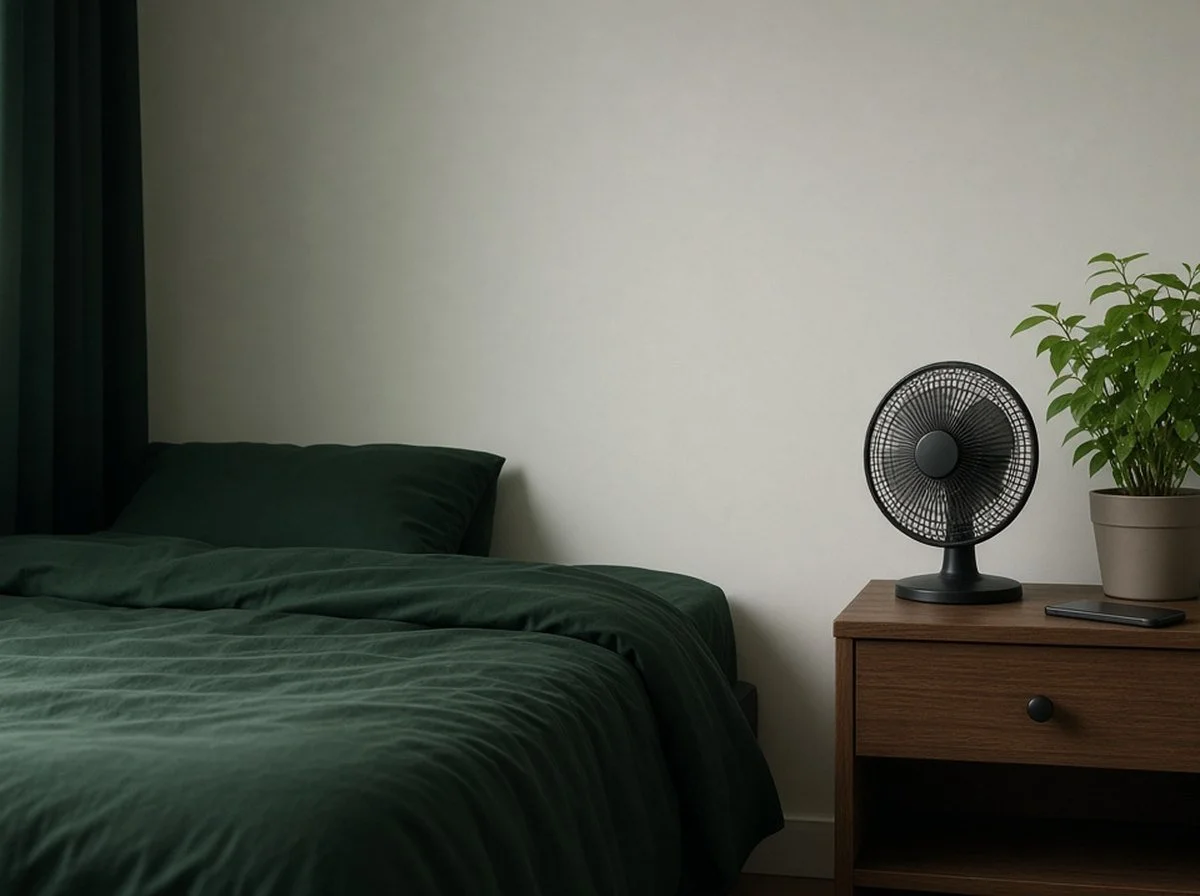
Make your bedroom dark, cool and quiet. Blackout blinds, a fan or white noise and a phone set to do not disturb can help.
Wear sunglasses on the drive home after a night shift to reduce morning light.
Ask family members to protect your sleep hours, just as they would at night.
Give yourself a short wind-down routine before bed, even after a night shift.
Eat and drink with your shift in mind
Eat lighter meals during night shifts, and a moderate meal before sleep.
Pack snacks like nuts, fruit and crackers instead of relying on vending machines.
Cut off caffeine several hours before you plan to sleep.
Be cautious with alcohol as a sleep aid. It can make sleep lighter and more broken.
Stay connected
Schedule family time the way you schedule shifts, like a regular breakfast together after nights.
Keep a shared calendar so everyone knows your rotation.
Stay in touch with friends by text or quick calls, even when you can't join in person.
Connect with co-workers who understand the schedule.
Move and get daylight
Regular movement and some daylight on your waking hours can help your mood and energy, even if it's a short walk.
Talk about it
Many shift workers keep going until they're running on empty. Talking with someone early can prevent a small problem from becoming a big one.
How therapy can help shift workers
Therapy can give you tools to manage stress, lift low mood, handle anxiety and cope with the strain shift work puts on relationships. A therapist can help you:
sort out what's driving how you feel, whether it's sleep, work stress, relationships or something else
build coping skills that fit your real schedule
cut back on alcohol or other substances you've been using to cope
improve communication with your partner and family
recognize burnout and plan what needs to change
work through tough experiences on the job
If sleep problems are severe or you often feel sleepy at dangerous times, talk to your family doctor as well. Some people have a sleep condition that needs medical care.
Our stress and burnout and depression counselling pages explain more about how we help. If you work in police, fire, paramedic or other first responder roles, see our first responders counselling page.
Fitting therapy around your shifts
One of the biggest barriers for shift workers is simply finding a time that works. A few things can help:
Evening and weekend appointments are available, which can fit before an afternoon shift or on days off.
Online sessions mean you can talk from home without a drive, which can make it easier to fit in before sleep or after waking.
In-person offices in Waterloo, Kitchener and Cambridge, plus Ottawa, if you prefer to meet face to face.
Book around your rotation. Let our care team know your pattern, and they can help you plan sessions that line up with it.
Work, leave and WSIB
Sometimes work stress, a workplace injury or a traumatic event on the job means you need time off. Our therapists can help with stress-leave and disability forms and, with your consent, talk with your workplace about a gradual return to work. We are also a contracted provider in WSIB's mental health program of care and accept new WSIB referrals. If you're not sure what applies to you, ask us during your free consultation.
What it costs
Sessions with our therapists are $130 to $200, and there is a one-time $50 setup fee. Many workplace benefit plans cover therapy with a registered psychotherapist, social worker or psychologist. You don't need a doctor's referral.
If you are in crisis or thinking about suicide, call or text 9-8-8 at any time. In Waterloo Region you can also call Here 24/7 at 1-844-437-3247. In an emergency, call 911.
Frequently asked questions
Is it normal to feel down when working nights?
Many night and rotating shift workers notice changes in mood, energy and patience. It's common, but it's not something you have to just live with. Support can help.
Can I do therapy online from my phone?
Yes. You can join an online session from a phone, tablet or computer by clicking a link we email to you.
Do you help with insomnia?
We don't offer CBT for insomnia. Our therapists can help with the stress, worry and mood problems that often come with poor sleep, and we recommend talking with your family doctor about ongoing sleep problems.
Will my employer know I'm in therapy?
No. Therapy is confidential. We only talk to your workplace if you ask us to and give written consent.
Can my partner join a session?
Yes. Couples counselling can help you both manage the strain that shift work puts on your relationship.
Take the first step
Your work keeps things running. You deserve support that works around your schedule. Book a free 15-minute consultation and tell us your rotation, or book an appointment directly.