
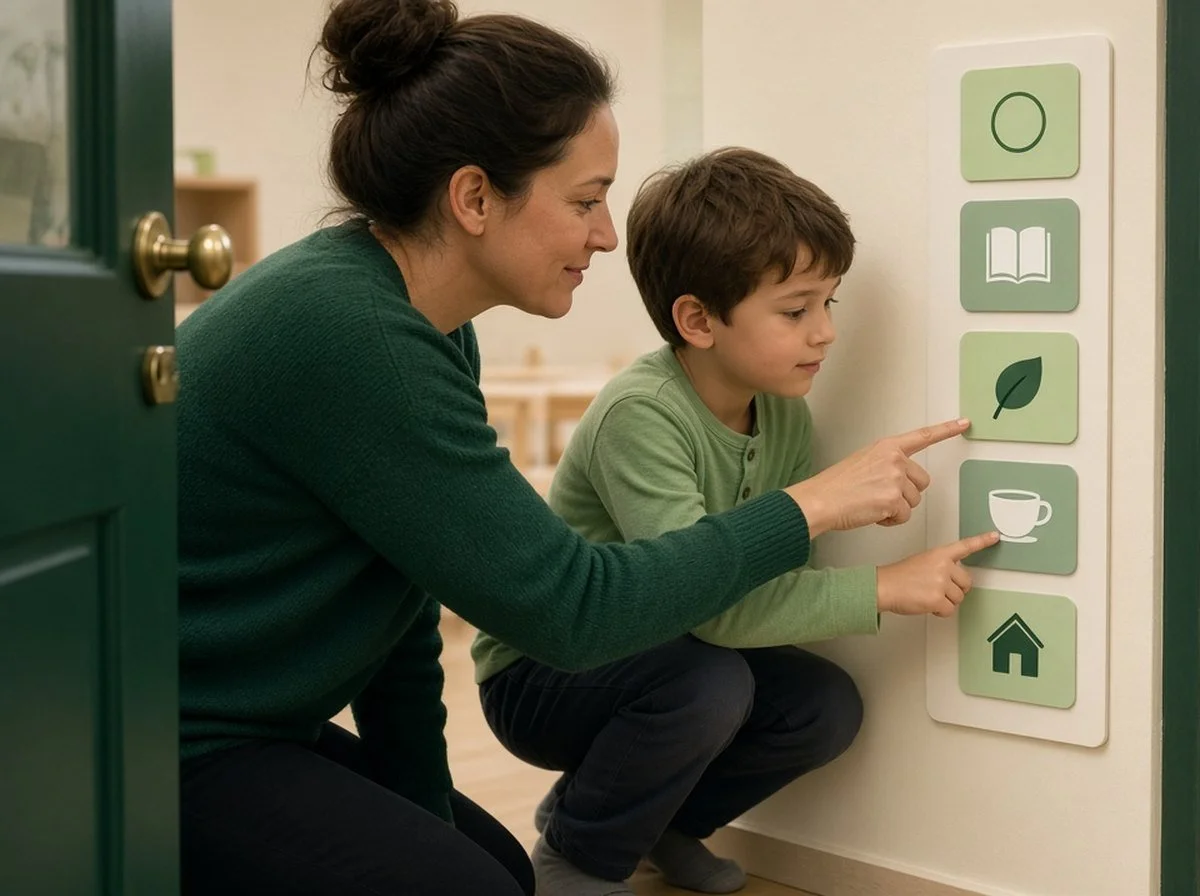
Every autistic child is different. One child may read years ahead but find a noisy gym unbearable. Another may need help with spoken language but thrive with a clear, visual routine. Good school support starts with your child's own profile, not a label. This guide explains what Ontario schools are expected to do for students with autism. It covers starting school, changing classrooms and planning supports that fit your child.
This is general information, not legal or education advice. Your school board's policies and Ontario's rules are the ones that count.
Your child's right to accommodation
Ontario schools have two sets of rules that work together.
Special education rules. Ontario lists autism under the Communication category. A school committee can formally identify your child. If it does, the school must write an Individual Education Plan (IEP).
Human rights rules. The Ontario Human Rights Commission (OHRC) says schools have a legal duty to meet the needs of students with disabilities, up to the point of undue hardship. That duty applies whether or not your child has been formally identified or has an IEP.
So you don't need to wait for paperwork to ask for help. You can start the conversation now.
Step 1: Plan the start of school early
Ontario says the principal, teachers and community partners should work with your family to plan your child's start at school. That can include entry to school program staff. Ontario's advice is simple: contact your school board or school as soon as you know when your child will start.
Connections for Students. This Ontario model helps children move from Ontario Autism Program services into school. It uses school-based transition teams built around each student. Check your board's website to learn how it works locally.
Bring what you know. A one-page "about me" sheet can help the team prepare. You might include:
what your child loves and is good at
signs that they're getting overwhelmed
what helps them calm down
words, signs or signals they use to communicate
copies of recent reports from therapists or assessments
Step 2: Make transitions part of the plan
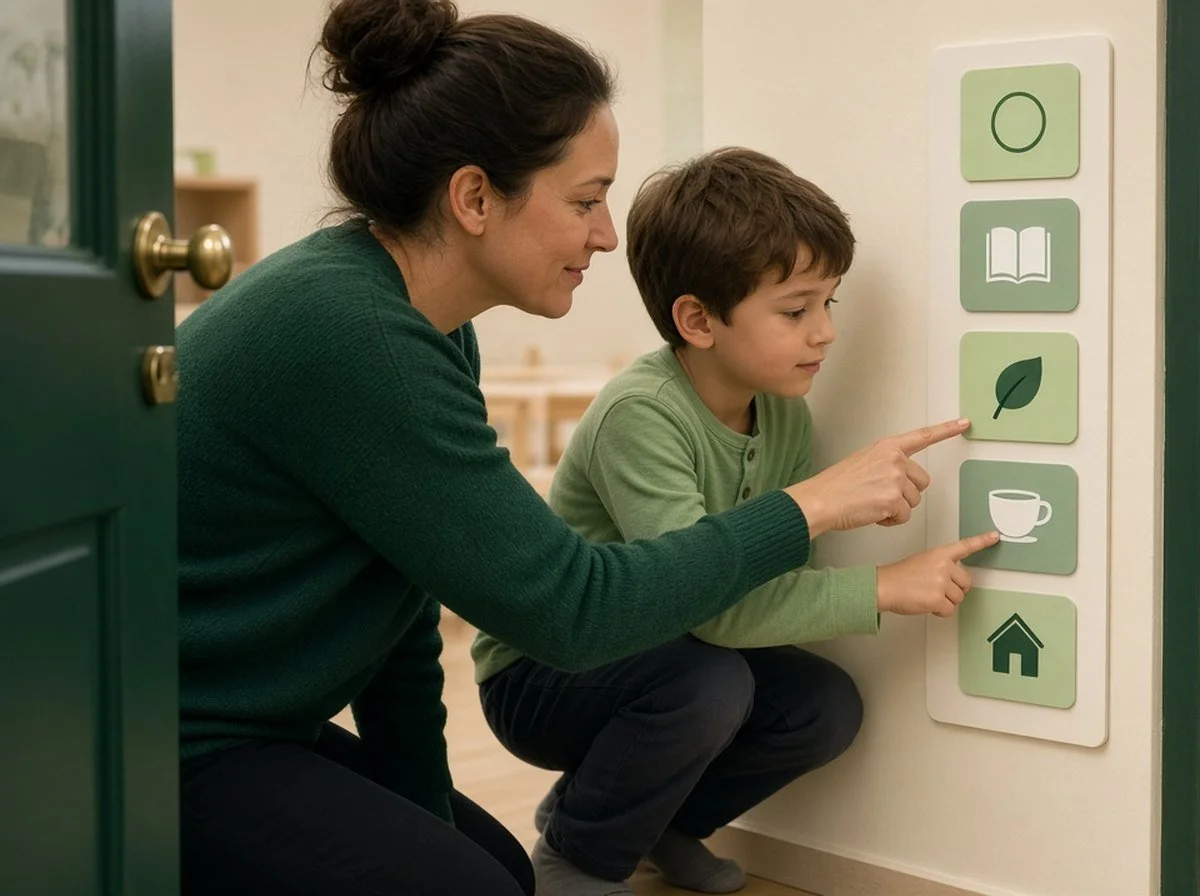
For many autistic students, change is the hardest part of the day. Ontario takes this seriously. Under Policy/Program Memorandum 140, principals must make sure a transition plan is in place for students with autism. Staff must plan transitions, through the IEP process. These include:
entering school
moving between activities, settings or classrooms
moving up a grade
changing schools, or moving from an agency to a school
going from elementary to secondary school
leaving high school for further education or work
Notice that the list includes small, daily changes, not just big moves. If switching from recess to math is a daily struggle, that belongs in the plan. The same goes for the bus ride, the lunch room and the end of the day. Ask the team to walk through a full school day with you and flag the moments that are hardest.
Ideas to discuss with the school:
a visual schedule, with warnings before changes
a "first, then" card for the next activity
a calm, planned way to handle fire drills or supply teachers
a visit to a new classroom or school before the first day
Step 3: Understand how ABA methods are used at school
Many families know applied behaviour analysis (ABA) from therapy. In school, it may look different. Ontario says school ABA methods can differ from community programs in hours and intensity. Methods schools use include:
prompting and modeling
task analysis, breaking a skill into small steps
reinforcement, rewarding the skills you want to see
Ontario says school ABA should be built for each student. It should use positive rewards, track data and help students use skills in new places.
Every board has ABA expertise. Ontario funds every school board to hire at least one ABA expert. These staff coach teachers and support transitions. Ask the school how this person is involved in your child's plan.
Step 4: Match accommodations to your child
Ontario uses the same IEP process for all students. For autism, the key is to make the plan specific. Think in four areas, and bring your own notes.
Communication
visual supports or a communication device
clear, short instructions, given one step at a time
extra time to process questions before answering
Sensory needs
headphones or a quieter workspace
planned movement or sensory breaks
a set calm space your child can go to
Social and emotional
a trusted adult to check in with
structured support at recess or lunch
teaching social skills directly, as part of the plan
Learning and assessment
tests in a quieter room
alternative ways to show learning
breaking big projects into steps with clear deadlines
The OHRC also lists supports schools may provide. Examples include changes to how students are tested, in-class help such as educational assistants, and behaviour plans. Flexible attendance can also count when absences are linked to a disability.
When behaviour is the concern
Sometimes the first sign that supports aren't working is behaviour: meltdowns, running from class or refusing work. The OHRC says schools should consider a student's disability as a factor before giving out discipline for behaviour linked to it.
The OHRC's policy also describes a case where a school board fell short. It didn't look at the individual needs of a student with autism before saying no to a change that might have helped. The lesson for parents: ask the school to look at why the behaviour is happening and what would help, not just at the behaviour itself.
Service animals at school
Every Ontario school board must have a policy on service animals, under Policy/Program Memorandum 163. Boards must decide requests case by case, based on each student's needs, and allow a service animal when it's an appropriate accommodation under the Human Rights Code. If an autism service dog helps your child, ask the principal for the board's policy and process.
Working with the school
Start with the teacher. Ontario says your first contact for questions should be the classroom teacher or special education teacher, then the principal.
Share what works at home. Your child's routines and calming tools are valuable information.
Ask for data. School ABA programs collect data. Ask to see progress.
Review the plan often. IEPs are reviewed at least once each reporting period.
Ask about after school programs. Some boards offer skills programs for students with autism.
Supporting your child beyond school
School can be tiring for autistic kids, and many come home overwhelmed. Therapy can help your child understand their feelings, manage anxiety and build confidence, while giving you a space to plan next steps. Learn about our autism counselling, our counselling for children and our psychological assessments.
We see children 6 and up, in person or online. Our clinicians can provide supporting documentation where appropriate, as part of your care with us.
You can see us in Kitchener, Waterloo, Cambridge or Ottawa, or by secure video from anywhere in Ontario.

Cost, billing and your first step
Sessions with our therapists range from $130 to $200, depending on the clinician.
We accept Health Spending Accounts (HSAs).
We can direct bill many insurers. Coverage depends on your plan, so check with your insurer before you start.
Book a free 15-minute consultation with our admin team. Tell them a little about your child, and they'll help you find a good fit.
If you're in crisis: if you or someone you love is in immediate danger, call 911. If you're thinking about suicide, call or text 9-8-8 any time, day or night.
Last reviewed: October 2026
Sources
Support for students with autism, Government of Ontario
Policy/Program Memorandum 140, Government of Ontario
Policy/Program Memorandum 163, Government of Ontario
Policy on accessible education for students with disabilities, Ontario Human Rights Commission