
Phone therapy vs video therapy is not a contest with one winner. Both are real therapy with a registered clinician. The better choice is the one you can do consistently, privately and comfortably. You can also switch formats later if your needs change.
Some people feel at ease on a video call. Others feel watched, or they have internet that keeps dropping. Some would rather talk by phone and not be on camera at all. None of those preferences means you are a difficult client. This guide explains how each format works, what research says, who each may suit, and how to set up a private space.
Phone therapy vs video therapy, the short answer
Video counselling uses a secure link we email to you. There is nothing to download. At the appointment time, you click the link and your therapist joins you. Phone counselling is a scheduled call. Your therapist connects with you by phone at your appointment time.
Both can be used for individual counselling across Ontario. We also offer sessions in person at our Kitchener-Waterloo, Cambridge and Ottawa offices. The therapy itself is still a conversation with a trained person. The main difference is whether you can see each other.
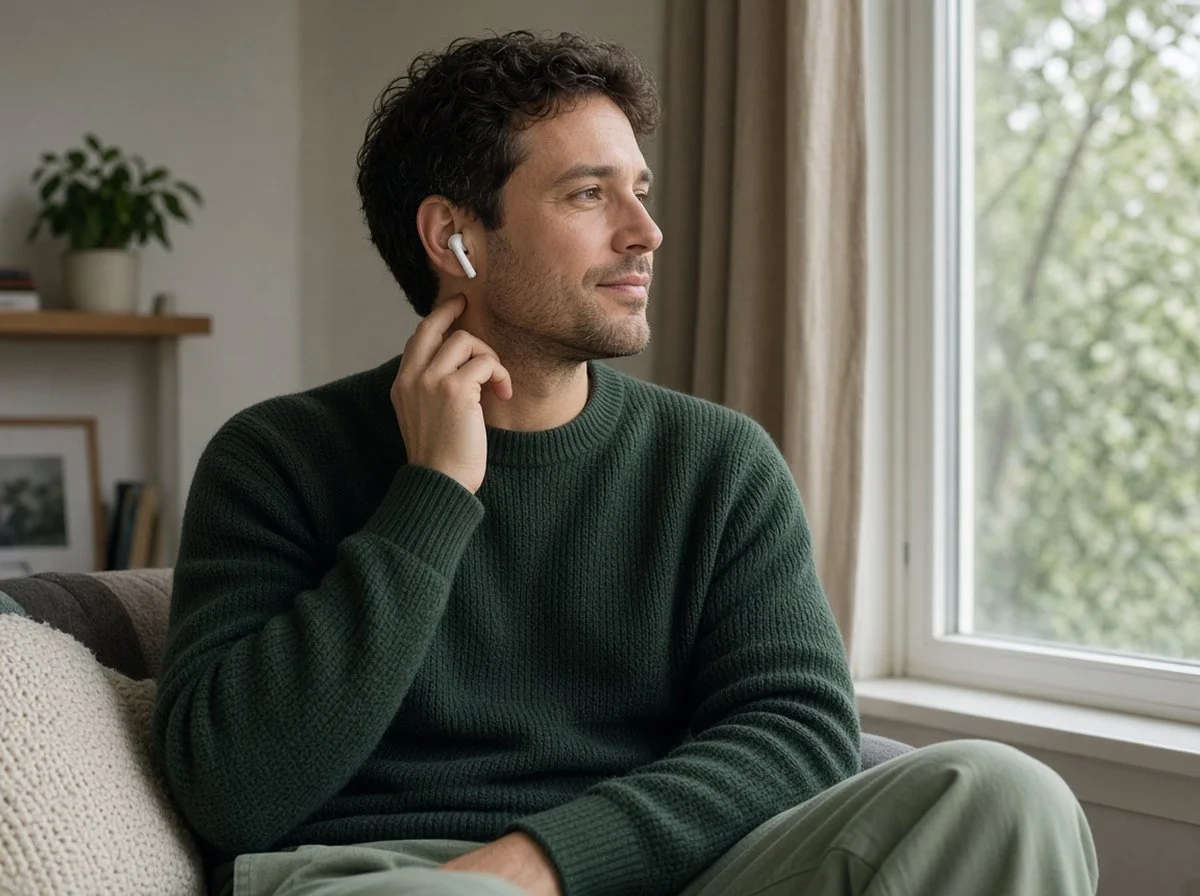
How phone sessions and video sessions work
For video, you can use a phone, tablet or computer. Sit somewhere private, click the link, and you will see and hear your therapist. Our online counselling page explains the simple set-up: a secure, encrypted link, with no extra software to install. If you have not used video therapy before, it often feels ordinary after the first few minutes.
For phone, you and your therapist meet by voice at the booked time. You can use earbuds, sit in a parked car if it is safe and private, or take the call in a quiet room. Never join a session while driving. If your attention wanders without a face to look at, it can help to sit still, rather than trying to do other tasks during the session.
If the call drops, you can agree at the start of your first session how you will reconnect, such as waiting a moment and trying again, or using a backup number. A little plan like that can lower the stress if the technology hiccups.
Is phone therapy effective?
People often ask this because phone can feel less like “real” therapy. The research we have is mostly about phone compared with in-person sessions, not about phone compared with video. It is honest to say we cannot claim that one format is better for every person or every concern.
Mohr and colleagues compared CBT by phone with CBT in person for depression in primary care. By the end of treatment, people in both groups had improved by a similar amount. Fewer people left the phone therapy early. Six months later, both groups were still less depressed than at the start. At that later point, though, the in-person group was doing a little better than the phone group.
Irvine and colleagues looked at studies of how phone and in-person therapy feel as a conversation. They found little difference in the working relationship, in how much people shared, or in warmth and attention. Phone sessions did tend to be shorter.
This is encouraging for phone therapy. It does not prove that phone and video are the same for every issue. It also does not mean either format is second best.
Who phone therapy may suit
Phone therapy may be a good fit if:
You feel self-conscious on camera, or you are tired of being on video all day
Your internet is slow or unreliable, but a phone call is steady
You want to walk a quiet route or sit in a parked car, as long as it is safe and private, and you are not driving
You focus better when you are not watching a screen
Earbuds make it easier to keep the conversation private in a shared home
Some people also find it easier to talk about hard things when they are not being looked at. That is a valid preference, not a lack of commitment. If you are not sure, you can try one phone session and see how it feels.
Who video therapy may suit
Video may suit you if you want to see facial expressions, or if you find it easier to feel connected when you can see the other person. It can also help when you and your therapist want to use a shared visual, such as looking at a simple diagram together.
Couples therapy online is usually done by video. You can share one screen or join from two places, and both partners need to be in Ontario during the session.
Children aged 6 and up can be seen online as well as in person. For younger clients, being able to see the therapist often helps the session feel more natural.
If you are choosing for yourself, think about energy as well as privacy. Video can feel more personal, and it can also feel tiring if your workdays are already full of calls. Phone can feel lighter, and it can also feel less grounding for some people. Neither reaction is wrong.

Setting up a private space for either
A little set-up goes a long way, whether you choose phone or video:
Use a room with a door, or a parked car, and never take a session while driving
Wear earbuds if other people are nearby
Put a simple “do not disturb” note on the door, or agree on a signal with anyone you live with
Charge your device and, for video, sit close to a steady connection
Agree at the start of your first session what you will do if the call drops
Give yourself a few minutes before and after, if you can. It is hard to go straight from a work call into a therapy session, or back into a busy house with no pause.
If you live with family, a roommate or children, it can help to tell them you have a private call, without sharing what the call is about. A parked car can work when home is not private, as long as you are not driving and you feel safe there.
Booking phone or video counselling
You can start with a format and change later if it is not quite right. Many people try video first, then switch to phone, or the other way around, once they know what feels easier to keep up.
Individual counselling by phone or video is available across Ontario, and individual counselling is also offered in person. Every service we offer is available at every location and online. Phone counselling is offered as well.
That first call can be a low-pressure way to ask practical questions, such as whether a first session might work better by phone or by video for you.
Not sure whether phone or video fits you best? Book a free 15 minute consultation and we can help you choose. We can direct bill many insurers, including NIHB and Co-operators. Coverage depends on your plan, so it is worth confirming with your insurer. The consultation is not a crisis service.
If you are having thoughts of suicide, call or text 9-8-8. In an emergency, call 911.
Last reviewed: November 2026