
Your body is in bed, but your mind is still at work. You replay a talk with your boss, plan tomorrow and worry about things that may never happen. If you've tried "just relax" and it hasn't worked, mindfulness therapy in Cambridge may help. It teaches you a different way to relate to busy thoughts, without fighting them. This post explains what mindfulness therapy is and is not, common myths, how MBSR ideas can be used one to one and why slowing down can feel harder at first.
This post is general information, not a diagnosis. Only a qualified professional can assess what you're going through.
Mindfulness therapy in Cambridge, what it is and is not
Mindfulness means paying attention to the present moment on purpose, without judging what you notice. That might be your breath, the feel of your feet on the floor or the thoughts passing through your mind.
Mindfulness therapy uses this skill inside counselling. With a mindfulness therapist in Cambridge, you learn to notice thoughts and feelings as they show up, give them a little space and choose how to respond.
What it is:
A skill you can learn and practise, like any other skill
A way to step back from racing thoughts instead of getting swept away
Something your therapist adapts to your life, your pace and your goals
What it is not:
Emptying your mind or stopping all thoughts
A religious practice you must follow
A quick fix that makes stress disappear
A replacement for medical care
Research reviews suggest mindfulness-based approaches can help with anxiety, depression and stress for many people (see Sources). They are not magic, and they work best with steady practice.
Common myths about mindfulness
Many people write off mindfulness before they try it. Here are a few myths we often hear:
"I can't do it. My mind is too busy." A busy mind is not a problem in mindfulness. Noticing that your mind wandered, and bringing it back, is the practice.
"It's just sitting still for an hour." Practices can be as short as one minute. They can also be done while walking, eating or washing dishes.
"It means accepting everything that is wrong." Acceptance in mindfulness means seeing things clearly as they are right now. It does not mean giving up on change.
"It's only about feeling calm." Calm can be a side effect, but the main goal is awareness. Some sessions may not feel calm at all.
MBSR ideas, one to one
Mindfulness-based stress reduction (MBSR) is a well-known program that teaches mindfulness skills for stress. In mindfulness counselling in Cambridge, your therapist can draw on some of its core ideas and shape them around you in one-to-one sessions.
That might include:
The body scan. Slowly moving your attention through your body, noticing tension without trying to fix it.
Mindful breathing. Resting your attention on your breath for a short time.
Noticing thoughts as thoughts. Labelling a worry as "planning" or "worrying" instead of treating it as a fact.
Short everyday pauses. Taking a few breaths before you open your email or walk into a meeting.
Because the work is one to one, you can talk about what came up during practice. Your therapist can help you adjust if something feels too hard or not useful. Mindfulness also sits well alongside other approaches, like acceptance and commitment therapy, which uses mindfulness to help you live by your values.
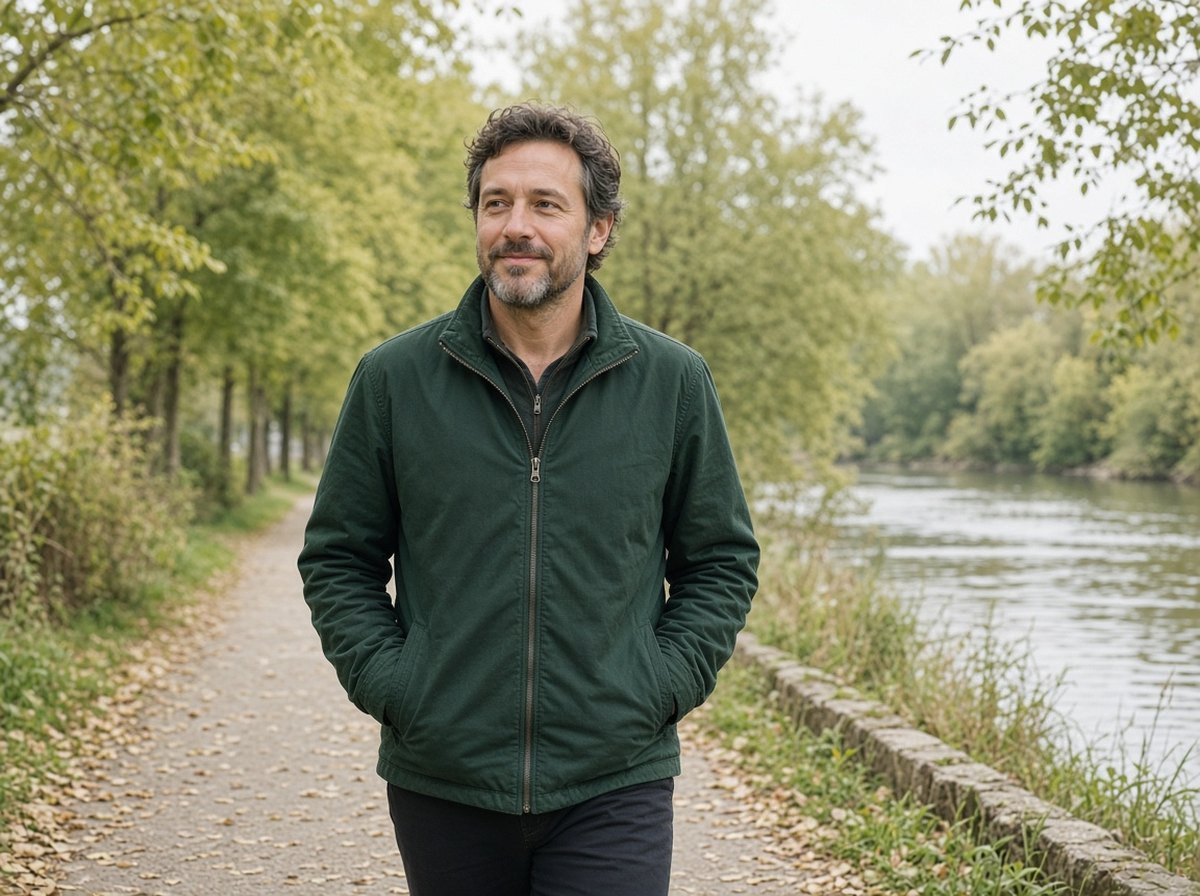
Mindfulness for racing thoughts
Racing thoughts often come with stress, burnout and anxiety. You might notice them most at night, during a commute or in the quiet moments of the day.
Mindfulness for racing thoughts does not try to stop them. It helps you change your relationship with them. Here is a simple practice you can try:
Sit or lie down in a comfortable spot.
Notice three things you can hear, near and far.
When a thought shows up, quietly name it: "planning," "remembering" or "worrying."
Gently bring your attention back to the sounds.
Repeat for two or three minutes.
The point is not to get it "right." It's to practise noticing and returning. If your thoughts are tied to work stress or exhaustion, our page on stress and burnout may also help.
Why slowing down can feel worse at first
Here is something many people don't expect. When you first slow down, you might feel more anxious, not less. That can be confusing and discouraging.
There are a few reasons this happens. When you are busy, you may not notice feelings you have been pushing away. When you stop, they rise to the surface. Some people also feel uneasy when they relax, as if letting their guard down is risky. This is sometimes called relaxation-induced anxiety, and we explain it in more detail in a separate post.
The US National Center for Complementary and Integrative Health notes that mindfulness is generally considered safe for healthy people, but some people have reported negative effects like increased anxiety (see Sources). That is one reason a therapist can be helpful. They can:
Start with very short practices
Keep your eyes open or use movement
Choose outward focus, like sounds, instead of inward focus, like the breath
Stop or change a practice that doesn't feel right
Go slowly if you have a history of trauma
Practising on a walk by the Grand River
You don't need a quiet room to practise mindfulness. A walk can work just as well, and the Grand River runs right through Cambridge.
On your next walk by the river, try this:
Feel each foot touch the ground.
Notice the sound of the water, birds or wind.
Look for three colours you didn't notice before.
When your mind drifts to your to-do list, notice it and come back to your steps.
Even ten minutes like this can be a break from autopilot. Over time, it becomes easier to bring the same attention into busy moments.
What your first sessions might look like
Your first session is mostly a conversation. Your therapist will ask what brings you in, when your mind feels busiest and what you have already tried. You can share as much or as little as you like.
From there, you might try a short practice together, often just a minute or two. Afterward, you talk about what you noticed. Was it easy, hard, boring or uncomfortable? Every answer is useful. Your therapist may suggest one small practice to try at home, such as a mindful cup of coffee each morning. Over the next few sessions, you build on what works and drop what doesn't.
Cambridge therapists for mindfulness
Our Cambridge offices are at 188 Main Street, N1R 1W8, and 73 Water St N, Suite 300, N1R 7L6, in the Galt City Centre area. You can also meet with a therapist online from anywhere in Ontario.
You don't need to pick a therapist on your own. The free consultation can match you with someone who uses mindfulness and fits your needs and schedule. If you're in Kitchener or Waterloo, you can also read about mindfulness therapy in Kitchener-Waterloo.

Cost, billing and your first step
Sessions with our therapists range from $130 to $200, depending on the clinician.
We accept Health Spending Accounts (HSAs).
We can direct bill many insurers. Coverage depends on your plan, so check with your insurer before you start.
Book a free 15-minute consultation with our admin team. Let them know you're interested in mindfulness therapy, and whether you'd prefer Cambridge or online.
If you're in crisis: if you or someone you love is in immediate danger, call 911. If you're thinking about suicide, call or text 9-8-8 any time, day or night.
Last reviewed: October 2026
Sources
Meditation and mindfulness: effectiveness and safety, National Center for Complementary and Integrative Health (NCCIH)
Mindfulness-based interventions for psychiatric disorders: a systematic review and meta-analysis, Goldberg and colleagues, Clinical Psychology Review, 2018