
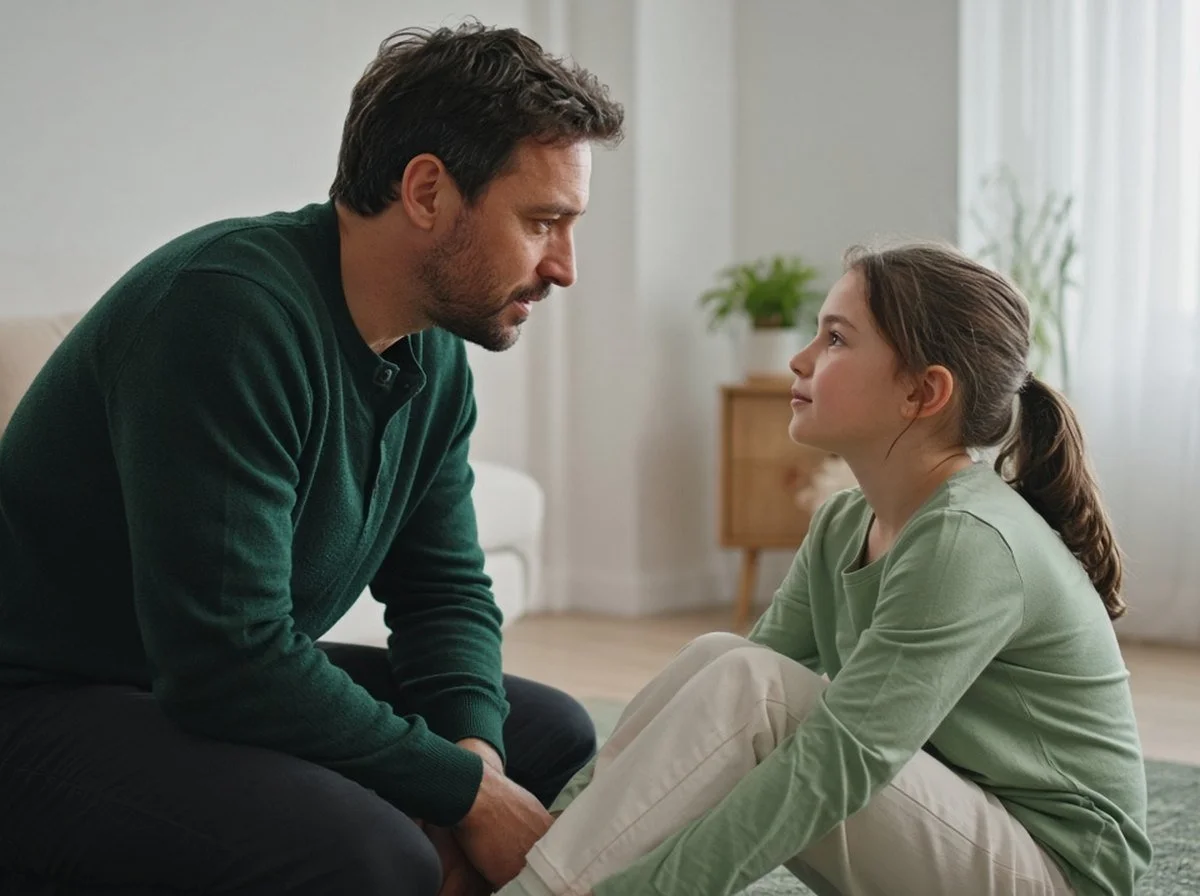
You asked nicely. Then you asked again. By the fifth time, you're yelling, and your child looks hurt or shuts down. Later, you feel awful. If this sounds familiar, you're not a bad parent. You're a tired, stressed person doing a hard job. This post explains why yelling happens, what research says, what to do in the moment and how to repair after.
This post is general information, not medical or parenting advice for your family's specific needs. If you're worried about your child or yourself, a counsellor or your doctor can help.
Why parents yell
Almost every parent yells sometimes. It doesn't make you a bad parent. It usually means you are tired, stretched thin and out of ideas in that moment.
Common reasons parents yell include:
Stress builds up. Work, money, health or a busy schedule can leave you with a short fuse.
You feel ignored. Asking 5 times and getting no answer is frustrating.
You're running on empty. Hunger, poor sleep and no time for yourself all make anger easier to set off.
It's what you grew up with. If yelling was normal in your home growing up, it can feel automatic.
Worry comes out as anger. Fear about your child's safety or future can sound like shouting.
Yelling is often your body's stress response taking over. Your heart speeds up and your thinking brain goes offline. That's why it can feel like the words come out before you can stop them.
What research says about yelling at kids
It helps to know the "why" behind change, without turning it into guilt. The American Academy of Pediatrics (AAP) states in its policy on discipline that harsh verbal discipline, such as yelling and shaming, does not work well and can harm children over time. The AAP's parent site, HealthyChildren.org, shares the same view.
A study by Wang and Kenny followed families with young teens. It found that harsh verbal discipline was linked with more behaviour problems and more signs of depression later on. This was true even in homes where parents were warm in other ways.
This doesn't mean one loud moment ruins a child. Children are resilient, and repair goes a long way. The goal is to yell less over time and to reconnect when you do.
How to avoid yelling at kids before it starts
Many yelling moments follow the same pattern. They happen at the same time of day, about the same task, when everyone is tired. If you can spot the pattern, you can plan for it.
Find your hot spots. For a week, jot down when you yell and what was going on.
Make routines visible. A simple picture chart or list for mornings and bedtime cuts down on reminders.
Build in extra time. Rushing is one of the biggest triggers for parents.
Agree on rules together. Kids 6 and up often follow rules better when they help make them.
How to stop yelling at kids when they don't listen
When your child isn't listening, try these steps before your voice rises:
Get close. Walk over, kneel down to their level and make eye contact.
Say it once, clearly. Use few words: "Shoes on, please. We leave in 2 minutes."
Check they heard you. Ask them to repeat it back.
Give a choice. "Do you want to put on your shoes or your coat first?"
Follow through calmly. Use a fair, simple result you've talked about before, and stay calm while you do it.
Children 6 and up can understand plans made ahead of time. Talk about tricky moments, like mornings or bedtime, when everyone is calm.
What to do in the moment instead of yelling
When you feel anger rising, your first job is to calm your own body. A review of research by Kjaervik and Bushman found that calming activities, like slow breathing and relaxation, lower anger. Activities that rev you up, like venting, don't help as much.
Try this in the moment:
Pause. Stop talking. Close your mouth and breathe out slowly.
Notice your body. Is your jaw tight or your face hot? Name it to yourself.
Step away if you can. If your child is safe, say "I need a minute to calm down" and take one.
Lower your voice. Speaking softly can help both of you calm down.
Come back when you're ready. Then deal with the problem.
Taking a break is not giving up. It shows your child a healthy way to handle big feelings. Our page on family therapy explains how families can practise this together.
How to repair after you yell
You will still yell sometimes. What matters is what you do next. Repair teaches your child that relationships can handle hard moments.
Calm down first. Wait until you can talk gently.
Own it. "I yelled at you. That wasn't okay, and I'm sorry."
Skip the "but." Avoid "I'm sorry, but you didn't listen."
Talk about what's next. "Next time I feel that mad, I'm going to take a break."
Reconnect. A hug, a story or time together helps you both feel close again.
The AAP notes that when parents apologize and explain how they'll handle things next time, they show children how to recover from mistakes.
How to stop being an angry parent: looking at the bigger picture
If you're asking, "How do I stop yelling at my kids so much?", look at what's filling up your cup and what's draining it. Small changes can help:
Get more sleep when you can, and eat regular meals
Plan for the hardest times of day, like mornings or after school
Lower the bar on things that don't matter much
Ask for help from a partner, family member or friend
Make time, even 10 minutes, for something that calms you
If anger feels bigger than everyday stress, or it is affecting your health or your relationships, it is a sign to reach out.
How counselling can help
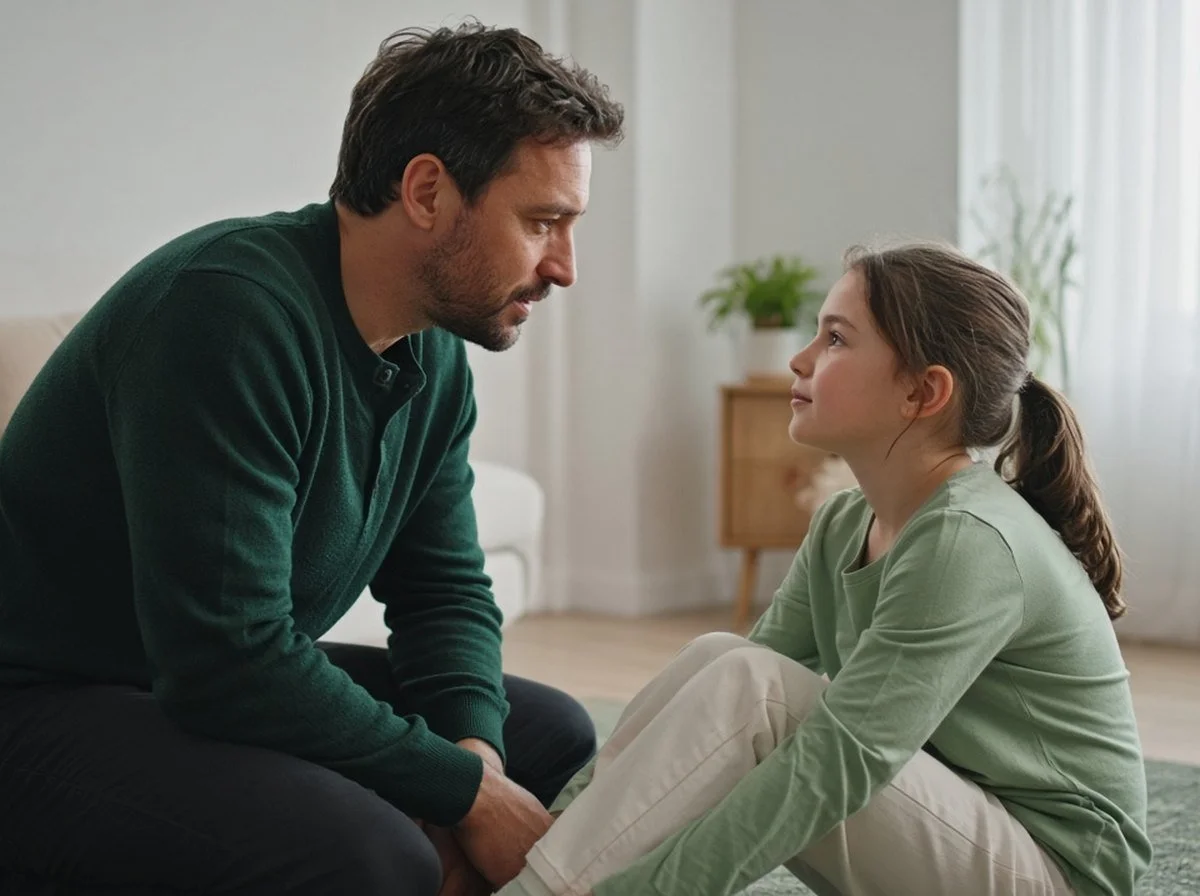
Counselling is a judgment-free place to understand your anger and try new tools. Many caring parents come in because they want to do things differently.
In counselling for parents, you might:
Find out what sets off your anger and how to spot it early
Learn ways to calm your body in the moment
Work through stress or old patterns from your own childhood
Plan for the hardest parts of your day
Practise repair and calm, clear limits
Sometimes it helps for a child to have their own support too. We offer counselling for children ages 6 and up, in person or online. Family sessions can also help everyone learn new ways to talk.
You can see us in Kitchener, Waterloo, Cambridge or Ottawa, or by secure video from anywhere in Ontario. Online sessions can be easier to fit around school and work.

Cost, billing and your first step
We accept Health Spending Accounts (HSAs).
We can direct bill many insurers. Coverage depends on your plan, so check with your insurer before you start.
Book a free 15-minute consultation with our admin team. Let them know you'd like support with yelling and family stress, and they'll help you find a good fit.
If you're in crisis: if anyone in your home is being hurt or is in danger right now, call 911. If you are thinking about suicide or hurting yourself, call or text 9-8-8 now.
Last reviewed: October 2026
Sources
What's the best way to discipline my child?, HealthyChildren.org, American Academy of Pediatrics, 2018
Effective discipline to raise healthy children, Sege and colleagues, Pediatrics, 2018
Longitudinal links between fathers' and mothers' harsh verbal discipline and adolescents' conduct problems and depressive symptoms, Wang and Kenny, Child Development, 2014
A meta-analytic review of anger management activities that increase or decrease arousal: what fuels or douses rage?, Kjaervik and Bushman, Clinical Psychology Review, 2024