
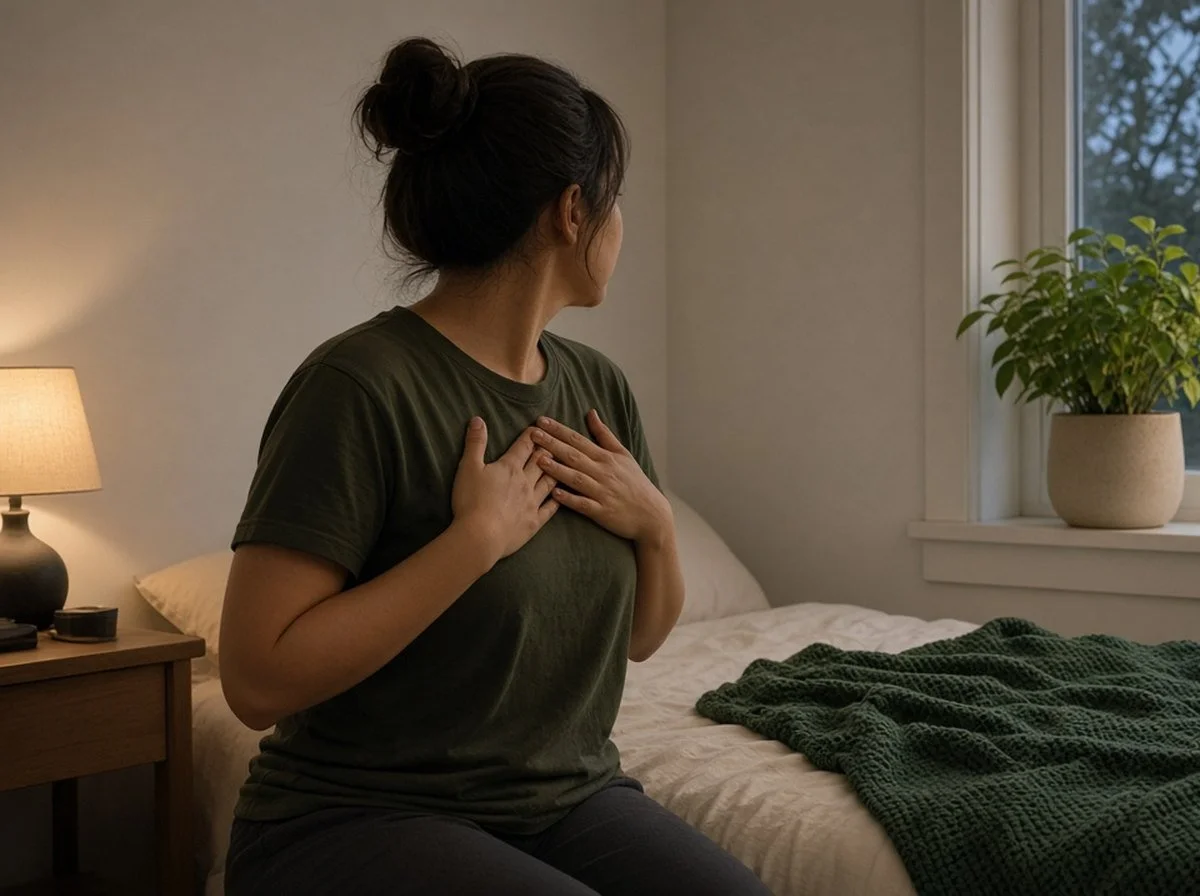
Your heart is pounding, your chest feels tight and a voice in your head says something is very wrong. If you have had a panic attack, you know how scary it is. The good news is that you can learn how to stop a panic attack from growing, and with the right help, you can have fewer of them over time. This guide walks through what to do in the moment, what to do afterward and when it makes sense to talk to someone.
First, a quick note. If you have chest pain or trouble breathing and you have never been checked by a doctor, get medical care first. Once a doctor has ruled out other causes, the steps below can help.

What is happening in your body during a panic attack
A panic attack is your body's alarm system going off when there is no real danger. Your brain thinks you are under threat, so it floods your body with stress hormones. That is why your heart races, you breathe faster, your hands shake and you may feel dizzy or sick.
Panic attacks usually peak within minutes and then start to fade. They feel dangerous, but a panic attack on its own will not make you faint, lose control or "go crazy." Knowing this matters, because fear of the symptoms is what often keeps the attack going.
How to stop a panic attack in the moment
You can't flip a switch and turn panic off. What you can do is stop fighting it, which helps the wave pass sooner. Try these steps.
Name it
Say to yourself, "This is a panic attack. It is uncomfortable, but it is not dangerous. It will pass." Naming it helps the thinking part of your brain get back online.
Slow your breathing
Fast, shallow breathing makes the dizzy, tingly feelings worse. Breathe in gently through your nose for a count of four. Breathe out slowly through your mouth for a count of six. Keep the out breath longer than the in breath. Do this for a few minutes. Don't take big gulps of air.
Ground yourself in your senses
Look around and name five things you can see, four things you can feel, three things you can hear, two things you can smell and one thing you can taste. This pulls your attention out of the "what if" loop and into the room.
Let the feelings be there
This one sounds strange, but it works. Instead of telling yourself "stop, stop, stop," try saying "okay, my heart is racing, I can let it race." When you stop treating the feelings as an emergency, your alarm system has less to react to.
Stay where you are if you can
It is natural to want to run out of the store or pull the car over. If you are safe, try to stay a little longer. Leaving teaches your brain that the place was dangerous, which can make the next attack more likely there.
What to do after a panic attack
When the attack is over, you may feel tired, shaky or embarrassed. Be kind to yourself. You just went through something hard.
A few things can help in the hour after:
Drink some water and eat something small if you can
Take a short walk or stretch to let your body settle
Tell someone you trust what happened
Write down where you were, what you were doing and what you noticed first
That last step can be useful later. Over time, a simple log can show patterns, like panic that shows up when you are tired, after caffeine or in certain places.
Why panic attacks keep coming back
For many people, the first panic attack comes "out of the blue." What keeps panic going is often the fear of the next one. You start watching your body for any sign of trouble. A skipped heartbeat or a warm face can set off the alarm again.
Many people also start avoiding things. Maybe you stop driving on the highway, skip crowded places or always sit near the exit. Avoidance brings relief in the short term, but it teaches your brain that these places are unsafe. Your world can slowly get smaller.
If you have repeated panic attacks and you worry a lot about having more, or you have changed your life to avoid them, you may be dealing with panic disorder. A doctor or psychologist can diagnose it, and psychologists on our team can assess for it. But you don't need a diagnosis to start getting help.
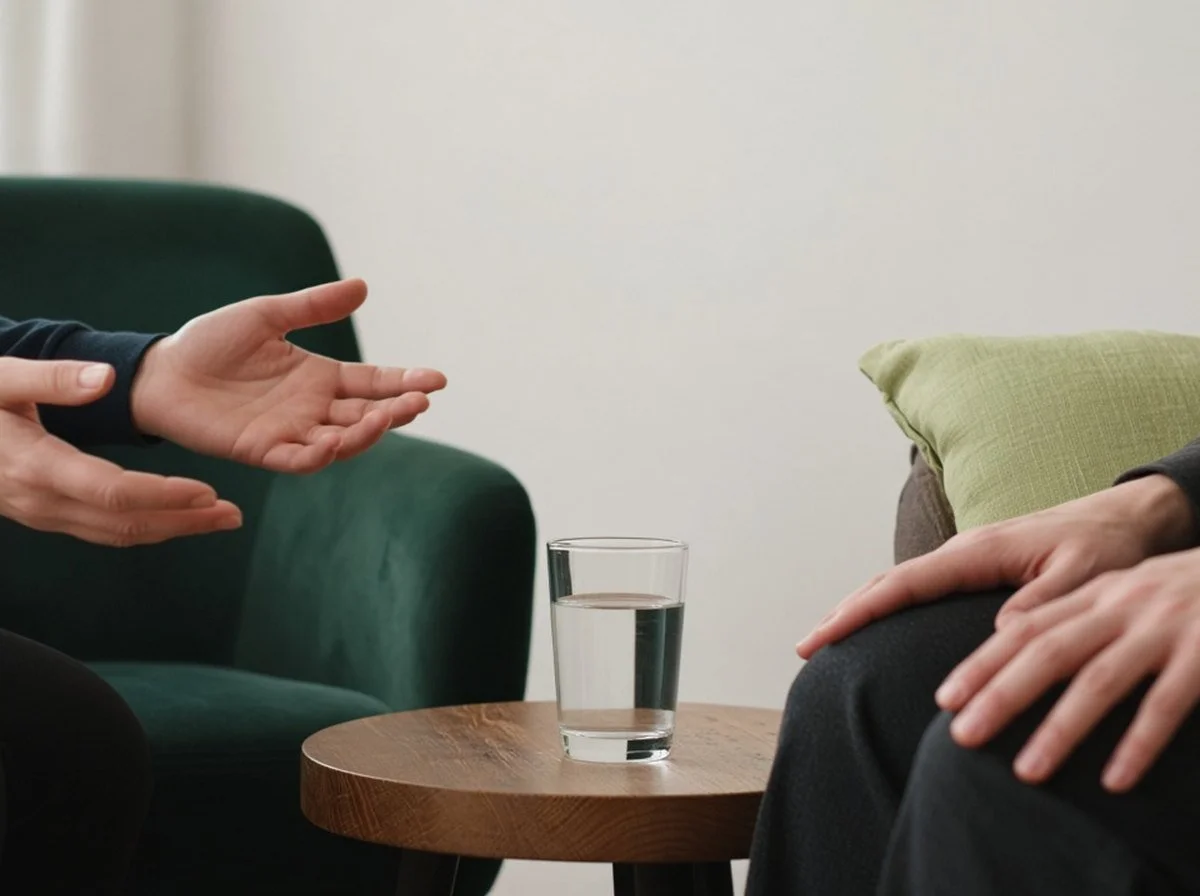
How therapy helps you stop the next panic attack
Coping skills help you get through an attack. Therapy helps you break the cycle so attacks happen less often and feel less scary when they do.
Cognitive behavioural therapy (CBT) is one of the best studied treatments for panic. In CBT, you and your therapist work on a few key pieces:
Understanding panic. You learn how the fear cycle works, so the symptoms feel less mysterious.
Changing scary thoughts. You practise catching thoughts like "I'm having a heart attack" and checking them against the facts.
Facing body sensations. With your therapist's support, you practise bringing on mild feelings like a fast heartbeat or dizziness in a safe way. Your brain learns these feelings are not dangerous.
Returning to places you avoid. You take small, planned steps back into situations you have been avoiding, at a pace that feels doable.
Other approaches can help too, such as acceptance and commitment therapy (ACT), mindfulness based skills, and trauma therapy when panic is linked to past events. A good therapist will fit the plan to you.
Learn more about how we help with anxiety counselling.
What about medication?
Some people find medication helpful for panic, either on its own or together with therapy. That is a choice to make with a doctor or psychiatrist. If you are curious about this, we also offer access to an OHIP-covered psychiatry pathway that works alongside therapy.
When to reach out for support
Consider talking to a therapist if:
You have had more than one panic attack
You spend a lot of time worrying about the next one
You avoid places, activities or people because of panic
Panic is affecting your work, school, sleep or relationships
You are using alcohol or other substances to cope
You don't need a doctor's referral to see us. We have offices in Waterloo, Kitchener, Cambridge and Ottawa, and we offer online sessions anywhere in Ontario. Evening and weekend times are available.
If you are in crisis or thinking about harming yourself, call or text 9-8-8 any time. You can also call Here 24/7 at 1-844-437-3247. In an emergency, call 911.
Frequently asked questions
Can you stop a panic attack once it starts?
You usually can't stop it instantly, but you can help it pass sooner. Slow breathing, naming the attack and letting the feelings be there all reduce the fear that feeds it.
Can a panic attack hurt me?
A panic attack feels awful, but it is not dangerous on its own. If you have new or unexplained chest pain, see a doctor to rule out other causes.
Why do I get panic attacks at night?
Some people wake up in a panic. This can happen even when you were not dreaming or worrying. It is a common part of panic, and the same skills and treatments can help.
How long does therapy for panic take?
It depends on the person. Many people notice changes once they start practising skills between sessions. Your therapist can talk with you about what to expect.
You don't have to keep bracing for the next one
Panic can make you feel like your body has turned against you. It hasn't. Your alarm system is just set too high, and you can learn to turn it down. If you'd like support, book a free 15-minute consultation with our care team, or book an appointment to get matched with a therapist.