
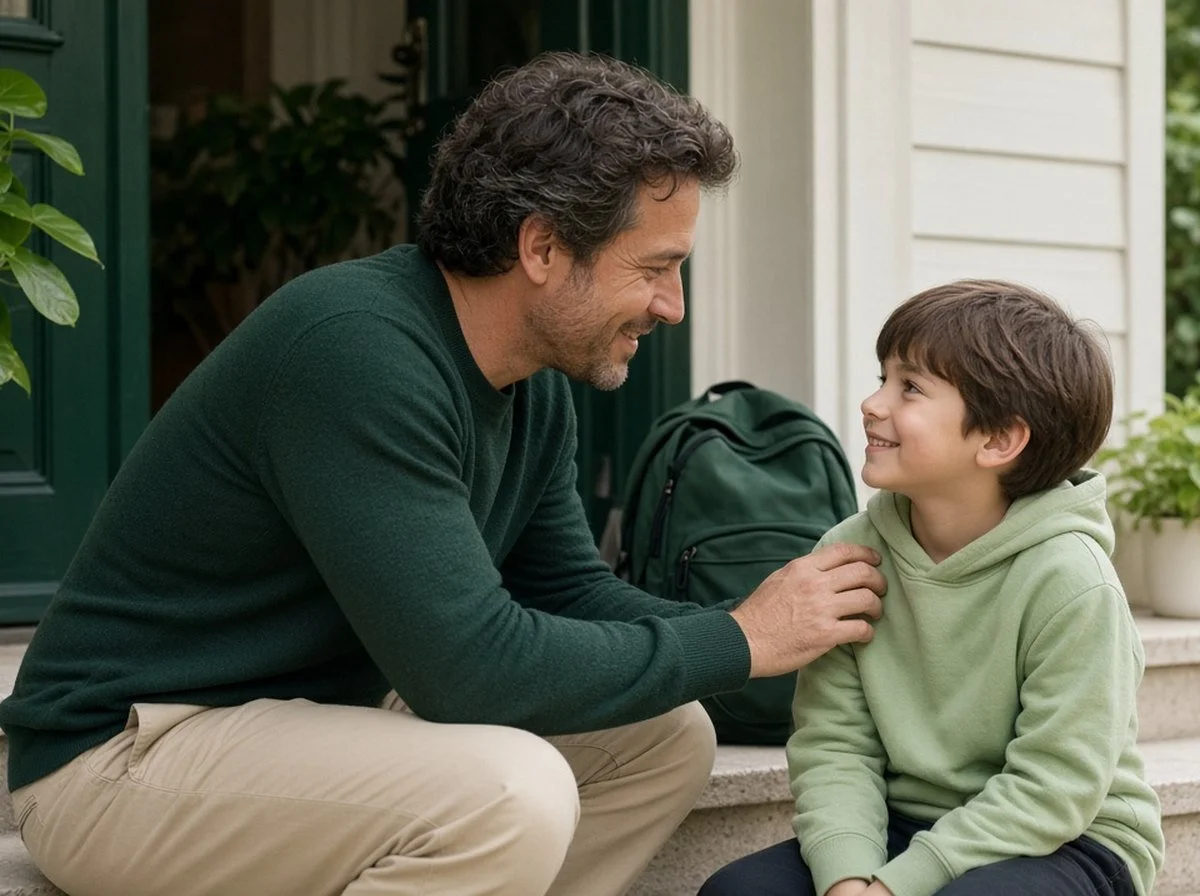
Every parent wants to protect their child from pain. So when your child is scared, clingy, can't sleep or melts down before school, it's natural to want to make the fear go away as fast as possible. But with anxiety, what feels helpful in the moment can sometimes make the worry grow. This guide explains how to help a child with anxiety in ways that build courage over time, how to tell everyday worry from something more, and when to reach out for support.
The good news is that childhood anxiety is very treatable, and parents play one of the biggest roles in helping their child feel brave again.
Normal worry or an anxiety problem?
All children feel anxious sometimes. In fact, some fears are a normal part of growing up:
babies and toddlers often fear strangers and being apart from parents
young children may fear the dark, monsters, animals or loud noises
school-age children often worry about school, friends and getting hurt
teens may worry about how they look, fitting in, grades and the future
Anxiety becomes a problem when it is stronger than the situation calls for, lasts for weeks or months, and gets in the way of daily life. For example, your child might:
avoid school, activities, birthday parties or friends
have frequent stomach aches or headaches with no medical cause
need a lot of reassurance, asking the same worried questions again and again
have trouble falling asleep or sleeping alone
have big meltdowns when faced with feared situations
seem constantly on edge, tense or irritable
be very hard on themselves about mistakes
Common types of anxiety in children include separation anxiety, social anxiety, specific fears (phobias), generalized worry and panic. Some children also show signs of obsessive-compulsive disorder (OCD). A doctor or psychologist can help sort out what is going on.
How anxiety grows: the avoidance trap
Anxiety is the body's alarm system. In anxious children, the alarm goes off too easily, even when there is no real danger.
When a child avoids something scary, they feel relief right away. That relief teaches the brain, "Avoiding kept me safe." The next time, the fear is a little stronger and avoidance feels even more necessary. Over time, a child's world can get smaller and smaller.
The way out is not to force a child into terror. It is to help them face fears in small, manageable steps, so their brain learns, "I can handle this."
What parents can do
1. Stay calm and validate feelings
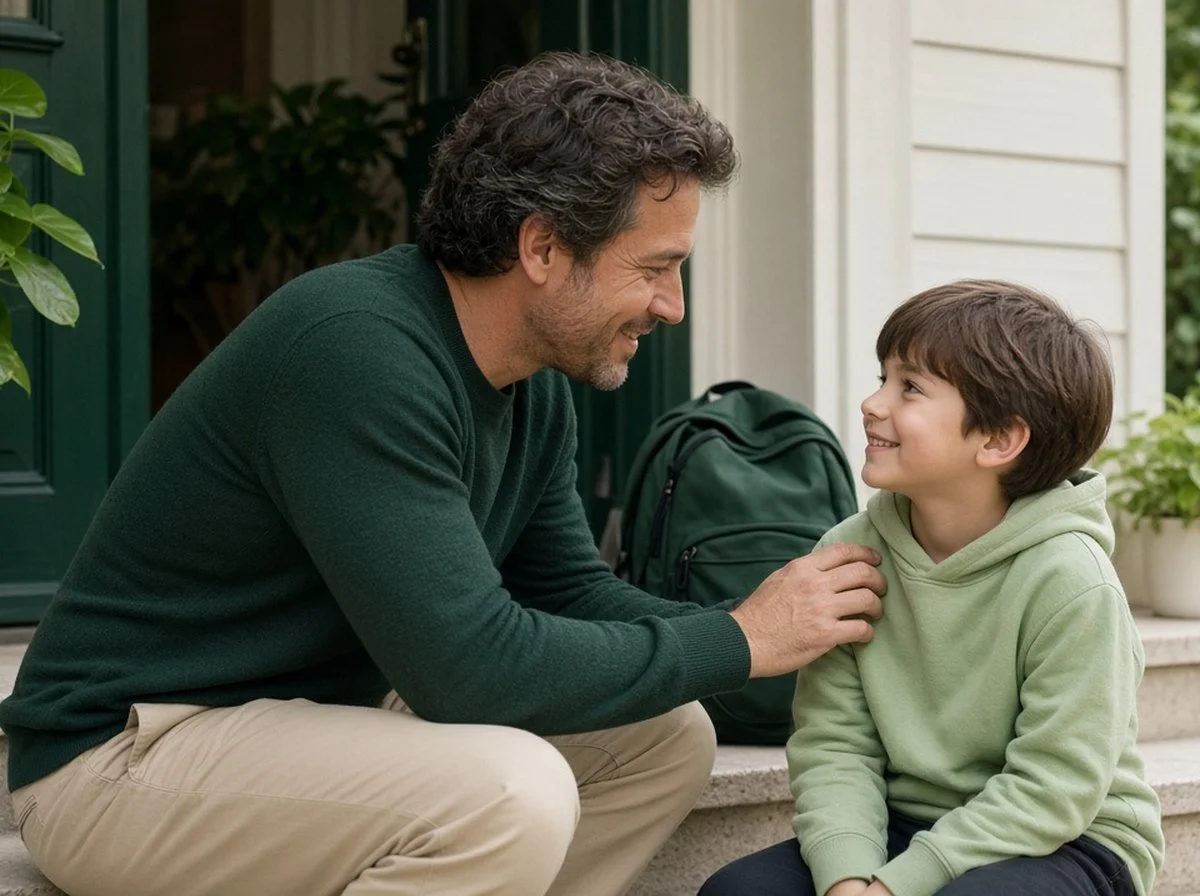
Children look to us to decide whether something is dangerous. When you stay calm, you send the message that they are safe. Name their feeling without dismissing it: "You're feeling really nervous about the sleepover. That makes sense. New things can feel scary."
2. Show confidence in your child
Pair your empathy with belief in them: "I know it's hard, and I know you can do it." This combination of support and confidence is one of the most powerful tools you have.
3. Reduce "accommodation" bit by bit
Accommodation is when parents change their own behaviour to help a child avoid anxiety. Examples include answering the same worried question over and over, sleeping in their room every night, speaking for them in public or letting them skip school. These come from love, but over time they can keep anxiety going.
A parent-focused program called SPACE (Supportive Parenting for Anxious Childhood Emotions) was built around this idea. Research shows that when parents gently reduce accommodation while staying warm and supportive, children's anxiety can improve, even if the child doesn't attend therapy themselves.
Start small. Pick one accommodation to change, tell your child ahead of time what will be different, and stay kind and steady when they protest.
4. Encourage brave steps
Work with your child to make a "fear ladder." Put the easiest step at the bottom and the hardest at the top. For a child scared of dogs, the bottom might be looking at pictures of dogs, and the top might be petting a calm dog. Practise each step until it feels easier, then move up. Celebrate effort, not just success.
5. Teach calming skills
Simple tools can help children ride out anxious feelings:
Belly breathing: breathe in slowly through the nose like smelling a flower, and out through the mouth like blowing out a candle
Naming the worry: some kids like to give their anxiety a name, like "the worry bug," so they can talk back to it
Grounding: name things they can see, hear and touch
Worry time: set aside 10 minutes a day to talk about worries, then put them away
6. Keep routines steady
Regular sleep, meals, movement and time outdoors help calm a child's nervous system. Too much screen time, especially before bed, can make sleep and anxiety worse.
7. Watch your own worry
Children learn a lot by watching us. If you're anxious too, you're not alone. Working on your own anxiety is a gift to your child as well as to yourself.

What to say, and what to avoid
Helpful:
"I can see you're scared. I'm right here."
"What's the worry telling you? Is that likely to happen?"
"You did something hard today. I'm proud of how brave you were."
Less helpful:
"There's nothing to be scared of." (This can make a child feel unheard.)
"Okay, you don't have to go." (This offers short-term relief but can feed avoidance.)
Repeating the same reassurance over and over.
Anxiety at school
If anxiety is affecting school, talk with your child's teacher or school staff. Together you can plan small supports, like a calm arrival routine or a trusted adult to check in with, while still keeping your child attending. School avoidance tends to grow quickly, so it's best to address it early.
When to get professional help
Consider reaching out if anxiety:
lasts more than a few weeks
keeps your child from school, friends or activities
causes frequent physical complaints
leads to panic attacks
is taking a toll on your family
Cognitive behavioural therapy (CBT) is one of the best-studied treatments for childhood and teen anxiety. It teaches children to understand their worries, challenge anxious thoughts and face fears step by step. Parents are often involved, especially with younger children.
You may also find our anxiety counselling page helpful. For older kids, see our teen counselling page.
How Transformation Counselling can help
We work with children and teens ages 6 and up who struggle with anxiety, and we offer counselling for parents who want support and coaching on how to help at home. Every child is different, so your free 15-minute consultation is the place to talk about whether counselling is the right fit. If you are wondering about something beyond anxiety, we also offer autism assessments for children from age 6 at our Waterloo Region and Ottawa offices. Sessions are available in person in Waterloo, Kitchener, Cambridge and Ottawa, and online across Ontario. No referral is needed, and evening and weekend appointments are available.
Sessions with our therapists are $130 to $200, and there is a one-time $50 setup fee. Many workplace benefit plans cover therapy, and some also cover dependants, so check your plan.
If your child is in crisis, call or text 9-8-8 at any time. In Waterloo Region you can also call Here 24/7 at 1-844-437-3247. In Ottawa, youth can call the YSB Youth Crisis Line at 613-260-2360. In an emergency, call 911.
Frequently asked questions
Will my child grow out of anxiety?
Some children do, but many don't without support. Anxiety that goes untreated can continue into the teen and adult years. Getting help early often makes treatment shorter and easier.
Should I let my child stay home when they're anxious?
Occasional sick days are fine, but staying home to avoid anxiety usually makes it harder to go back. Work with the school and a counsellor on a gradual plan.
Can I get help even if my child won't go to therapy?
Yes. Parent-focused approaches can reduce a child's anxiety even when the child doesn't attend sessions. You can book counselling for yourself to learn these skills.
Does my child need medication?
Many children do well with therapy alone. If anxiety is severe, talk with your family doctor or paediatrician about all the options.
Is anxiety my fault?
No. Anxiety comes from a mix of genes, temperament and life experiences. Parents don't cause it, but they can do a lot to help.
Take the first step
You don't have to figure this out alone. Book a free 15-minute consultation and we will help you find the right support for your child and family. Or you can book an appointment directly.