
Your child taught themselves to read before kindergarten, asks questions you can't answer and seems bored in class. Or maybe a teacher mentioned the word "gifted" and you're not sure what happens next. Either way, you want to understand your child and make sure school fits the way they learn. This guide explains what gifted testing involves in Ontario, how schools identify gifted students and when a private giftedness assessment can help.
We offer giftedness assessments for children ages 6 and up, led by psychologists. Here is what every parent should know first.
What does "gifted" mean in Ontario schools?
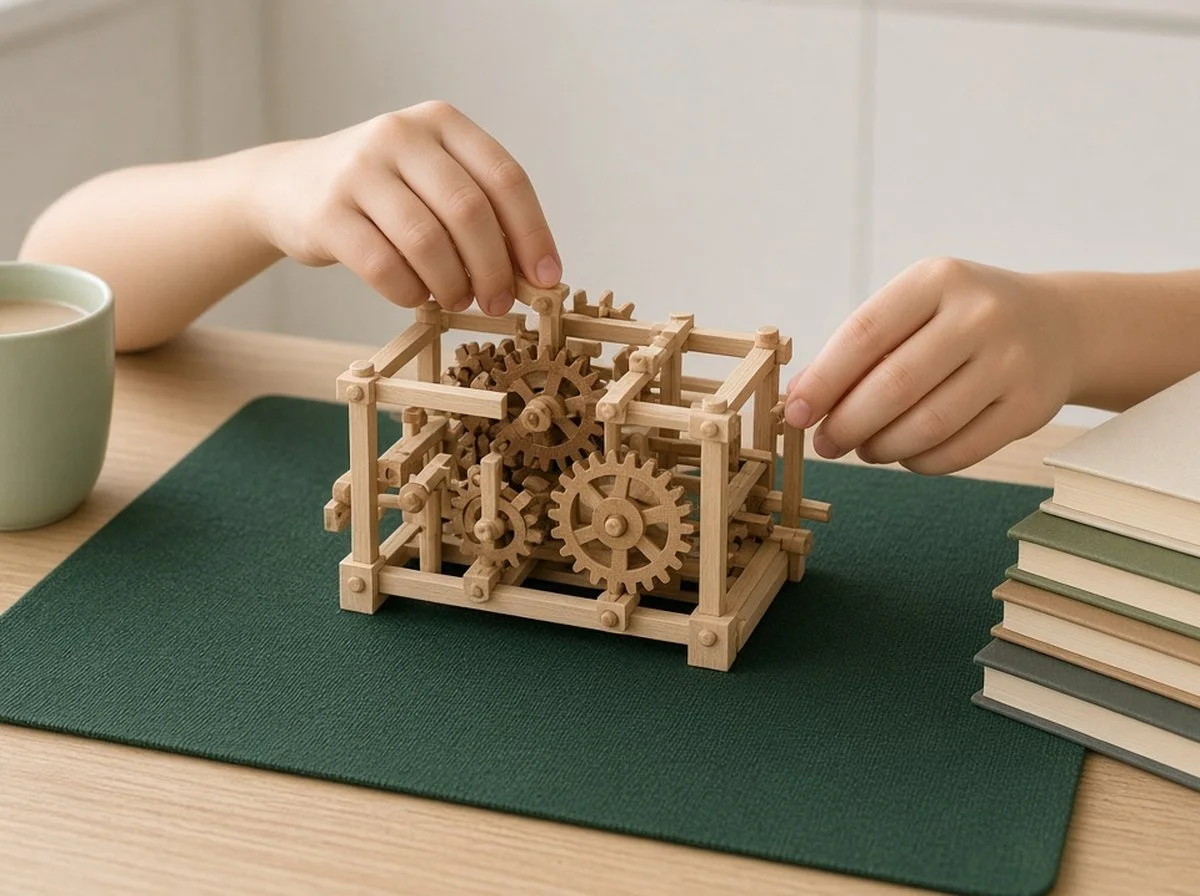
In Ontario, giftedness is one of the official categories of exceptionality used in special education. The province defines it as "an unusually advanced degree of general intellectual ability that requires differentiated learning experiences of a depth and breadth beyond those normally provided in the regular school program."
In plain words, a gifted student is one whose thinking skills are so far ahead that the regular classroom may not challenge them enough. Being gifted isn't the same as getting top marks. Some gifted kids get straight A's. Others are bored, restless or even struggling.
Signs your child may be gifted
Every child is different, and no list fits everyone. Parents of gifted children often notice things like:
learning quickly and remembering a lot with little practice
a large vocabulary or advanced reading for their age
deep curiosity and lots of "why" and "how" questions
intense focus on topics they love
a strong sense of fairness or big feelings about world problems
a quirky or advanced sense of humour
preferring older kids or adults to talk with
boredom, daydreaming or acting out when work is too easy
Some of these signs can also show up for other reasons. A careful assessment helps sort out what's really going on.
How schools identify gifted students
In Ontario, a student is formally identified as gifted by a school board committee called an Identification, Placement and Review Committee (IPRC). The IPRC decides whether a student is exceptional and, if so, which placement fits best. Parents can ask the principal in writing for an IPRC meeting.
Each school board sets its own process for finding gifted learners. Some screen students in certain grades. Others rely on teacher or parent referrals and a body of evidence, such as class work, test results and observations.
For example, the Waterloo Region District School Board describes a range of enrichment supports in its special education plan. These include help in the home classroom, a one-day-a-week area class for gifted learners in grades 4 to 8, and full-time gifted classes in grades 5 to 8. An IPRC designation of "gifted" is part of that full-time placement.
If you think your child may be gifted, start by talking with their teacher or the school's special education resource teacher. Ask how your board identifies gifted students and when.
School testing or a private assessment?
Some families wait for the school's process. Others choose a private giftedness assessment. There are good reasons for both.
A private assessment may make sense if:
your child's school hasn't offered testing yet
you want a fuller picture of your child's strengths and challenges
your child seems gifted but is struggling at school
you're making decisions about school programs or grade placement
One important point: a private report doesn't guarantee a gifted placement. The school board's IPRC makes that decision. A clear report from a psychologist gives the committee useful information to consider, and it can help teachers understand your child.
What a giftedness assessment involves
A giftedness assessment is a type of psychoeducational assessment. At Transformation Counselling, it includes:
A parent interview. You share your child's development, school history and what you've noticed at home.
Thinking skills tests. These look at reasoning, memory, processing speed and planning skills.
School skills tests. These measure reading, writing and math.
Questionnaires. These check for attention, anxiety and other things that can affect learning.
Feedback and a written report. You meet with the psychologist to go over the results and practical ideas for home and school.
Many of the tasks feel like puzzles or games. There's no studying and no pass or fail. Testing is usually spread over more than one session, with breaks.
Twice-exceptional: gifted and struggling
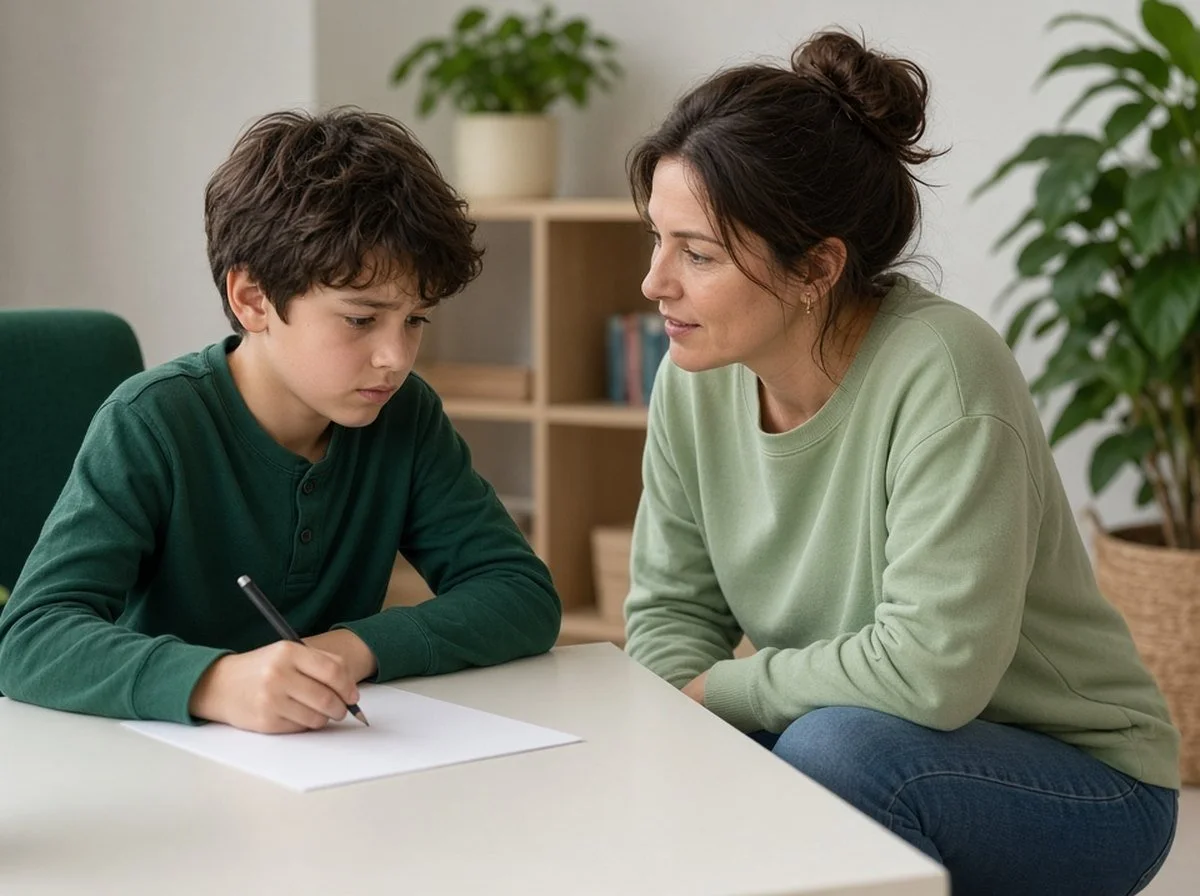
A child can be gifted and have a learning disability or ADHD at the same time. This is sometimes called "twice-exceptional" or "2e." These children can be hard to spot. Their strengths may hide their struggles, or their struggles may hide their strengths.
A twice-exceptional child might read well above grade level but can't get ideas onto paper. They might ace oral questions but fall apart on timed tests. Because a psychoeducational assessment looks at both ability and learning skills, it can pick up this mix and explain it.
The emotional side of being gifted
Being gifted can be wonderful. It can also come with challenges. Some gifted children:
hold themselves to very high standards and fear mistakes
feel different from kids their own age
have strong feelings that seem bigger than the situation
get bored or frustrated when school moves too slowly
worry about big issues that are hard to understand at their age
These feelings are real, and they can be worked on. Our counselling for children can help with perfectionism, worry and friendship struggles, and we also offer support for parents.
Is testing right for your child?
Testing can be very helpful, but it isn't always needed. It may be worth it if your child seems unchallenged or unhappy at school, if you suspect a learning problem alongside strong abilities, or if the results would change decisions about school.
If your child is doing well and enjoying school, there's no rush. Talking it over in a free consultation can help you decide.
After the assessment: using the results
Once you have the report, you decide who sees it. Many parents share it with the school. It can help in a few ways:
It gives the IPRC useful information if your child is being considered for identification.
It can support an Individual Education Plan (IEP), which sets out the learning goals and supports your child needs.
It helps teachers understand how your child learns best.
It gives you ideas for enrichment at home, like projects, clubs or activities that match your child's interests.
If the results show a learning or attention problem too, the report will include ideas for that as well.
Gifted assessments at Transformation Counselling
We offer psychoeducational assessments, including giftedness assessments, for children ages 6 and up, led by psychologists. Children are assessed at our offices in Kitchener-Waterloo, Cambridge and Ottawa. You can learn more about our psychoeducational assessments in Kitchener-Waterloo and our psychoeducational assessments in Cambridge. Our Ottawa office offers psychoeducational assessments for children ages 6 and up, teens and adults.
Assessment fees depend on the service, and your free consultation covers them. Assessments by private psychologists usually aren't covered by OHIP, but some extended health plans cover part of the cost, so check your plan. No doctor's referral is needed.
Frequently asked questions
What age can my child be tested for giftedness?
We assess children ages 6 and up. Ask your school board when it usually screens or identifies gifted students.
Does a private assessment mean my child will get into a gifted program?
No. The school board's IPRC decides on identification and placement. A private report is information the committee can consider.
How should I explain testing to my child?
Keep it simple and positive. You might say, "You're going to do some puzzles and games that help us learn how your brain works best."
Can teens and adults be assessed?
Yes. We also offer psychoeducational assessments for teens and adults, which can look at strengths as well as challenges.
What if my child isn't gifted?
The assessment will still show your child's strengths and needs, with ideas to help them thrive at home and at school.
Take the first step
If you have questions about your child's abilities, you don't have to guess. Book a free 15-minute consultation to talk about a giftedness assessment, or book an appointment to get started.
Last reviewed: October 2026
Sources
Categories of exceptionalities (Special education in Ontario, Kindergarten to Grade 12), Government of Ontario
Identifying students with special education needs, Government of Ontario