
You made dinner, picked up the groceries, remembered the birthday card and booked the car in for service. Nobody noticed. Or maybe you notice your partner's efforts, but yours seem to disappear. Feeling unappreciated in a relationship can be lonely and hard to name. It's also very common, and it's something couples can work on together.
This post is general information, not a diagnosis or advice for your specific relationship. Every couple is different. If you feel unsafe with your partner, please read the safety note further down first.
Why you might feel unappreciated in a relationship
Feeling unappreciated rarely comes from one big moment. It usually builds up from many small ones. Some common reasons include:
Busy, tired seasons. New babies, work stress, caregiving or health problems can leave little energy for noticing each other.
Habits that fade. Early in a relationship, people often say thank you a lot. Over time, it can slip away without anyone meaning it to.
Different ways of showing care. One partner may show love by doing things, while the other shows it with words. Both can miss what the other is offering.
Uneven loads. When one person carries more of the planning, chores or emotional work, they may feel invisible.
Stress outside the relationship. When someone is struggling, they may have less room to notice what their partner does.
Feeling taken for granted doesn't mean your partner doesn't care. It often means something in the way you two connect needs attention.
Signs you feel unappreciated
You might be feeling underappreciated if you notice:
you keep a mental list of what you do and what goes unnoticed
thank yous feel rare, or only happen when someone asks for them
you feel more like a roommate or assistant than a partner
you get irritated over small things that never used to bother you
you've stopped sharing wins or worries, because you don't expect interest
you feel tired or resentful when you think about your relationship
These feelings are worth taking seriously. They don't make you needy or selfish. They're a signal that you want to feel seen.
Why appreciation matters
Research backs up what many couples already sense. In a set of studies on gratitude in couples, people who felt more appreciated by their partner were more appreciative in return. Partners who were more appreciative were also more responsive to each other's needs, more committed, and more likely to stay together over time (see Sources).
In other words, appreciation tends to grow when it's shared. When one person feels noticed, they're more likely to notice their partner too. The cycle can work in the other direction as well. When both people feel overlooked, they may both pull back.
When the load feels uneven
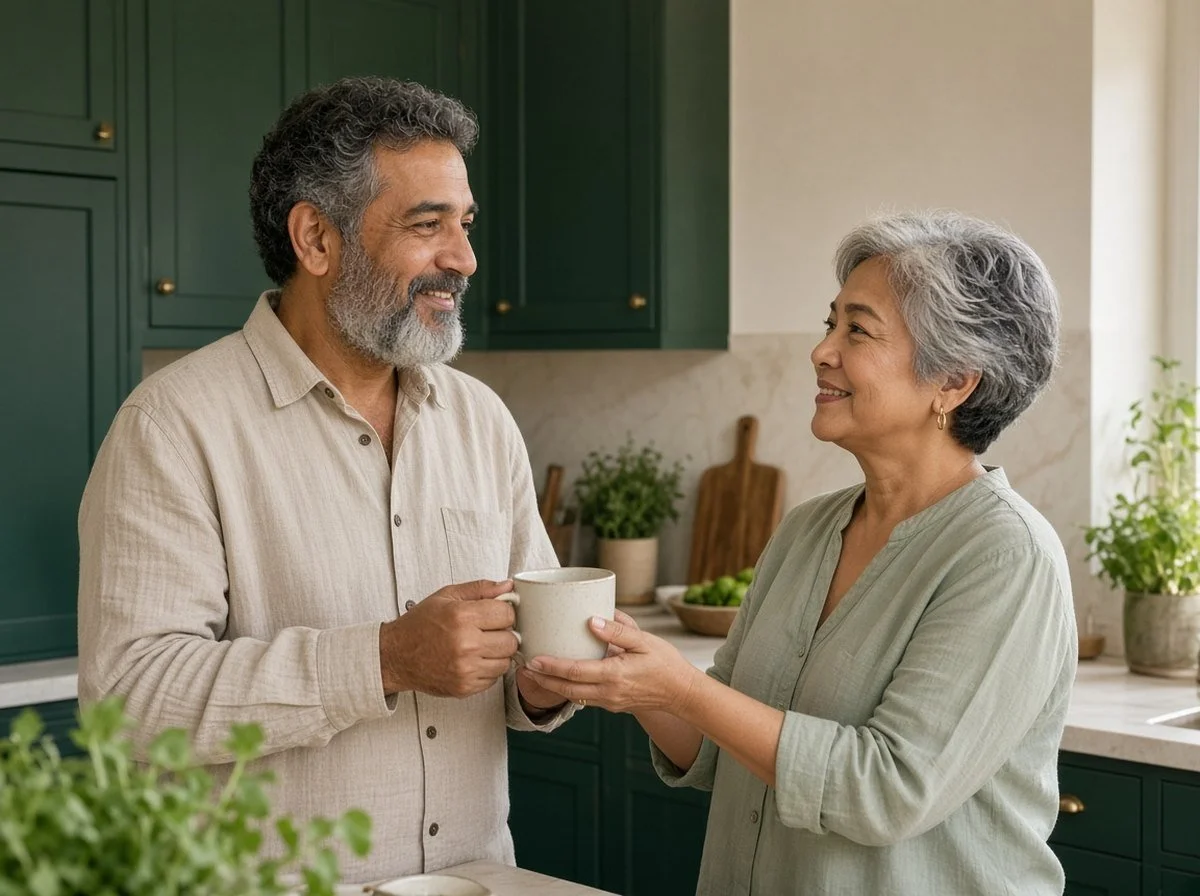
Sometimes feeling unappreciated is tied to a real imbalance. One partner may handle most of the remembering, planning and checking in. This kind of invisible work is often called emotional labour, and it can be draining when nobody else sees it. Our post on emotional labour in relationships goes deeper into what it looks like.
This can happen in any couple, no matter their genders. It's not about one person being the "bad guy." Often, one partner simply hasn't noticed what goes into keeping the household running. Making the work visible can be a good first step:
write down the regular tasks you each do, including the mental ones
talk about which tasks feel heavy and which feel fine
agree on changes you can both try for a few weeks
check in again and adjust
How to tell your partner you feel unappreciated
It can feel scary to bring this up. You might worry it'll turn into a fight. A calm, clear start helps.
Pick a quiet time, not right after a hard moment. Use "I" statements that focus on your feelings, not on blame. For example:
"I've been feeling a bit invisible lately. I know we're both busy. I'd really like to feel more noticed for the things I do, and I want to make sure you feel noticed too. Can we talk about it?"
A few tips:
Be specific. "It would mean a lot if you said thanks when I make lunches" is easier to act on than "You never appreciate me."
Ask about their side. Your partner may feel unappreciated too.
Listen without fixing. Let each other finish before you respond.
Expect a process. One talk rarely changes everything.
Small ways to show appreciation
Researchers who study close relationships describe something called perceived responsiveness. It means feeling understood, valued and cared for by your partner. It's one of the building blocks of closeness, and listening is the first step (see Sources).
Small, everyday moments can build that feeling:
say thank you for ordinary things, like doing the dishes or taking the kids to practice
notice effort, not just results: "I can tell you worked hard on that"
put your phone down when your partner is talking
ask about their day, then ask a follow-up question
share one thing you appreciated about them each night
leave a short note or send a kind text during the day
These don't have to be big or romantic. What matters is that they're real and regular.
When it turns into distance
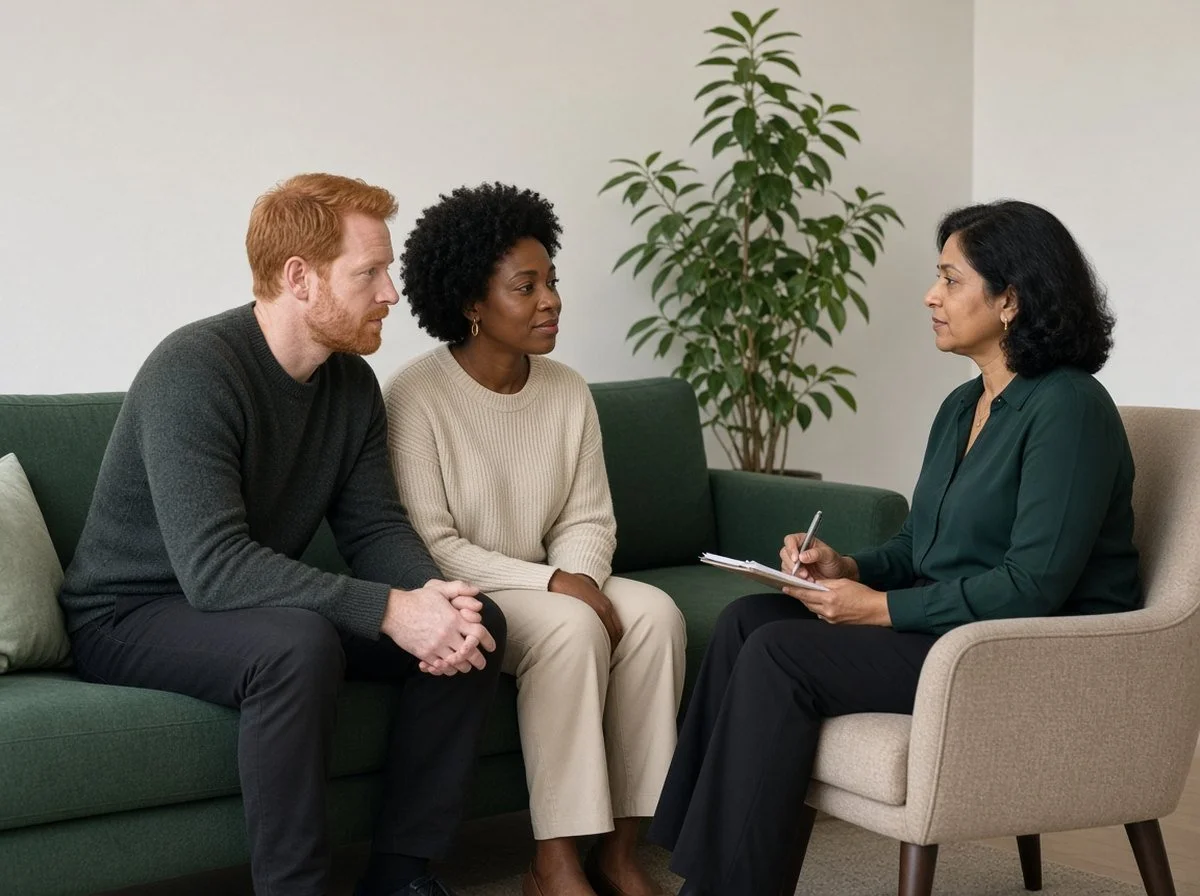
Sometimes, feeling unappreciated has gone on for so long that it starts to feel like distance. You may feel lonely even when you're together. If that sounds familiar, our post on feeling lonely in a marriage may help.
A note on safety: Feeling unappreciated is different from feeling afraid. If your partner controls you, threatens you, or you feel afraid of them, the tips in this post may not be safe to try. Please focus on your own safety first. If you are in immediate danger, call 911. If you are thinking about suicide, call or text 9-8-8.
How couples counselling can help
If you are thinking about suicide or hurting yourself, call or text 9-8-8 now. If you or someone else is in immediate danger, call 911.
Couples counselling gives you both a calm space to talk about what's not working and what you want more of. A counsellor can help you slow down tense talks, so you can really hear each other.
In couples counselling, you might:
name the patterns that leave one or both of you feeling unseen
talk about the load at home in a fair, open way
practise asking for what you need without blame
rebuild habits of noticing and thanking each other
Some of our therapists use Emotionally Focused Therapy, an approach that helps couples understand the feelings underneath their arguments and build a stronger bond. You can also come on your own if your partner isn't ready to join.
We offer couples counselling at our Kitchener-Waterloo, Cambridge and Ottawa offices. Online couples sessions are available when both partners are in Ontario.
On the practical side, we can direct bill many insurers, including for sessions with a Registered Psychotherapist (Qualifying). Desjardins is the exception: through TELUS eClaims, we can direct bill Desjardins for sessions with an RSW, RP or psychologist, but not for an RP (Qualifying). Coverage depends on your plan, so check with your insurer before you start.
Book a free 15-minute consultation with our admin team. "We want to feel more connected" is enough to start.
If you're in crisis: if you or someone you love is in immediate danger, call 911. If you are thinking about suicide, call or text 9-8-8, any time.
Wanting to feel appreciated is a normal, healthy need. With some honest talks and small daily habits, many couples find their way back to feeling seen.
Last reviewed: October 2026
Sources
Gordon AM, Impett EA, Kogan A, Oveis C, Keltner D. To Have and to Hold: Gratitude Promotes Relationship Maintenance in Intimate Bonds. Journal of Personality and Social Psychology, 2012;103(2):257-274
Arican-Dinc B, Gable SL. Responsiveness in Romantic Partners' Interactions. Current Opinion in Psychology, 2023;53:101652