
Dysgraphia is a learning disability that affects writing. It can make handwriting hard to read. Spelling can be unreliable. Written work may be much slower or more messy than the person’s spoken ideas. It is not a sign of low intelligence. It is not just messy handwriting from rushing. In Ontario, a psychologist can diagnose this through a psychoeducational assessment. The clinical name is a specific learning disorder in written expression. This article explains what dysgraphia is. It also covers signs at different ages and how diagnosis works here.
If writing is a daily battle for you or your child, a clear assessment can help. It can show what is going on. It can also show what support might help.
What dysgraphia is
Psychiatry.org groups reading, writing and math difficulties under one diagnosis. It is called specific learning disorder. When the main difficulty is written work, people often use the word dysgraphia. It can include trouble with spelling, grammar and punctuation. Clarity and organization of writing can be hard too. The physical act of getting words onto the page can also be hard.
Writing asks the brain to do many things at once. You have to form letters and remember spelling. You have to hold the idea in mind. You also have to put sentences in an order that makes sense. For some people, the hardest part is motor control and handwriting. For others, the handwriting looks all right, but organizing thoughts on paper is exhausting. Many people have a mix of both.
It is also important not to confuse a writing disability with a motor condition on its own. Fine motor difficulties can affect handwriting. Those concerns are sometimes assessed with input from other professionals, such as an occupational therapist. A psychoeducational assessment looks at how writing skills fit with thinking, language, reading and schoolwork. That helps sort out what kind of support is needed.
A learning disability is not an intellectual disability. Many people with dysgraphia can explain ideas clearly out loud. The gap between spoken knowledge and written work is often a clear sign. It shows that something more than effort is going on.
Signs at different ages
Signs are not a diagnosis on their own. Young children are still learning to hold a pencil and form letters. The concern grows when writing stays unusually hard, slow or messy compared with the child’s other skills. That is true even with practice and help.
In the early school years, you might notice the following.
an awkward or tiring pencil grip.
letters that are uneven in size or hard to read.
trouble lining up letters on the line or leaving spaces between words.
mixing up or reversing letters more than classmates, past the early learning stage.
a strong dislike of drawing, colouring or writing tasks.
spelling that is hard to read, even for simple words the child can say.
In later grades, signs may include the following.
written work that is much shorter than the student’s spoken answers.
spelling the same word different ways in one assignment.
grammar and punctuation that do not match the student’s age.
trouble starting, organizing or finishing written tasks.
hand pain or fatigue after a short period of writing.
avoiding essays, notes or anything that has to be written by hand.
better work when the student can type or speak their answers.
In teens and adults, emails may take a long time to write. Notes may be messy and hard to use later. There may be a gap between how well someone speaks in a meeting and how their written work looks. Some people have been told for years to “just write neatly” or “try harder.” That does not fix the real difficulty.
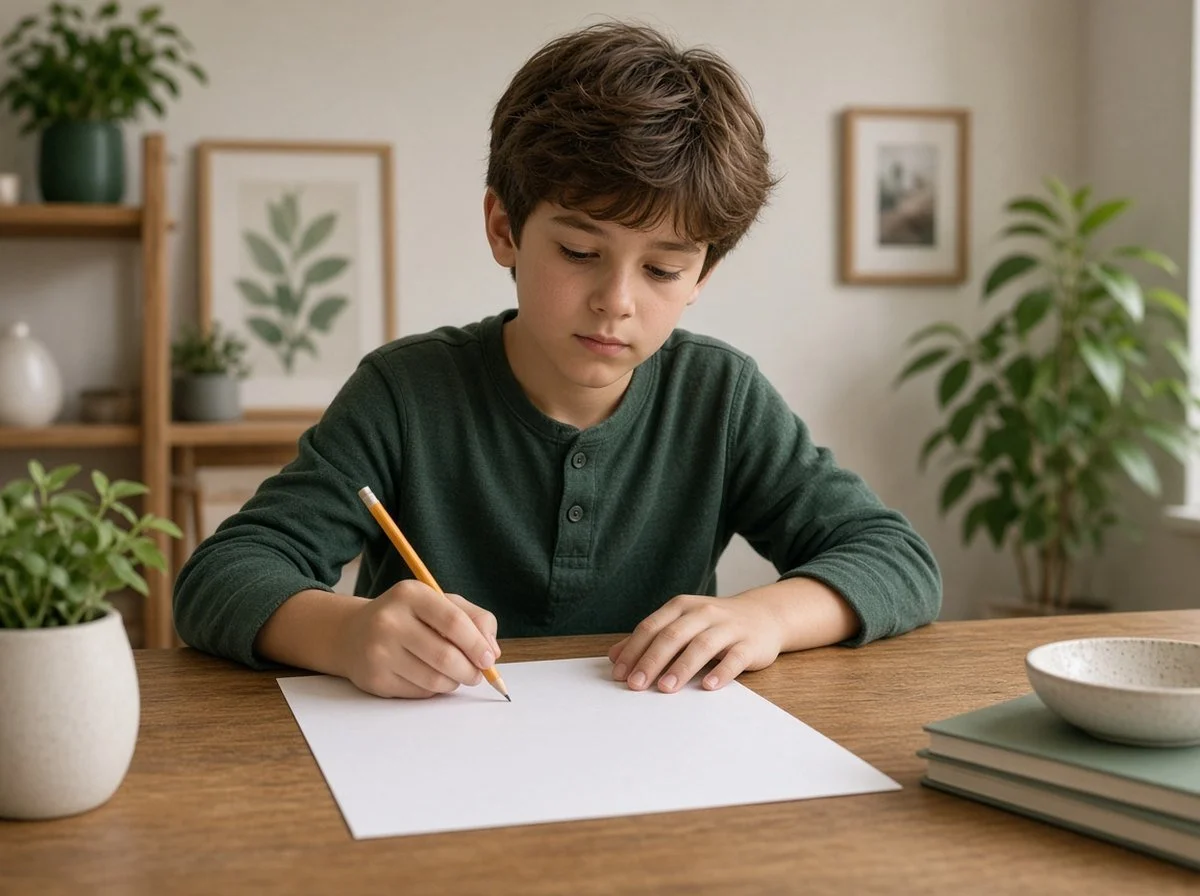
How dysgraphia can affect daily life
School asks students to write all day. That includes notes, answers, journals, lab reports and tests. When writing is slow or tiring, a student may know the material and still run out of time. Teachers may see incomplete work and think the student is unmotivated. The student may feel ashamed of the page they produce.
At home, homework that looks short on paper can take hours. A child may have a meltdown before a writing task. A teen may refuse to start an essay they could talk through with ease. Adults may avoid job tasks that involve a lot of writing, even when their ideas are strong.
These reactions make sense. They are not a character flaw. Understanding the writing difficulty can lead to better tools. It can also lead to fairer test conditions and a kinder story about the struggle.
How dysgraphia is diagnosed
In Ontario, a psychologist can diagnose a learning disability in written expression. A psychological associate can too, if they are registered and trained to assess learning. LDAO says that giving a diagnosis is a controlled act. Not every psychologist assesses learning disabilities. Not every psychologist works with children. It is fair to ask about their training.
A teacher can notice signs and try classroom strategies. They cannot make this diagnosis. A psychoeducational assessment is the usual next step. It can show whether a writing disability is present.
Clinicians look at whether writing difficulties have lasted, even with help. They also check skills on standard tests. Those skills should be well below what is expected for the person’s age. They also check that the difficulties started in the school years. They make sure another cause does not fit better. That could include a general thinking disability, uncorrected vision problems or a lack of proper teaching.
The psychologist gathers a history from you. They often hear from teachers too. They look at thinking skills and school skills. They also look at motor skills, speed, language, attention and feelings. They also look at strengths, including spoken language. If fine motor concerns seem central, the psychologist can talk with you about other referrals. We do not diagnose a motor coordination disorder ourselves.
If you are a college or university student, a documented diagnosis may also support school accommodations. Our psychologists and nurse practitioners can complete the OSAP Disability Verification Form when it is appropriate.
How an assessment can help
A psychoeducational assessment for a child looks at how your child thinks and learns. We also offer learning disability assessments for adults. We see children aged 6 and up, teens and adults. Assessments are offered in Kitchener-Waterloo, Cambridge and Ottawa.
The assessment can help show a few things.
whether a specific learning disorder with impairment in written expression is present.
which parts of writing are hardest, such as spelling, organization, handwriting or getting started.
whether reading, math, attention or anxiety are also part of the picture.
what kinds of school or workplace support are likely to help.
You do not need to already know that the problem is dysgraphia. Many families come in because written work does not match what their child can say out loud. The psychologist can help you decide if this kind of assessment is the right next step.

Support at school and home
A diagnosis is useful when it leads to practical help. In Ontario, that often includes classroom accommodations and, when it is appropriate, an Individual Education Plan, or IEP. You can read more about school accommodations for a learning disability in Ontario. Support might include extra time and the option to type. Speech-to-text tools can help. In some settings, a scribe may be used. Graphic organizers can help with structure. Grading can separate ideas from handwriting or spelling when that is fair.
At home, let your child talk through ideas first. Keep writing sessions short. Use a keyboard when the goal is thinking rather than handwriting practice. Praise the content of what they share, not only how the page looks.
If frustration, worry or school refusal are growing, those feelings matter. Counselling can sit alongside an assessment when emotions have become part of the picture.
Your next step
You can book a free 15-minute call with our admin team. It is a chance to explain your concerns. We can arrange a talk with one of our psychologists. Together you can talk about whether this kind of assessment is a good next step. You can also talk about other referrals that may help.
We offer learning disability and giftedness assessments. We also offer these assessments. These are for children aged 6 and up, teens and adults. You can come to our offices in Kitchener-Waterloo, Cambridge or Ottawa. The call is not a therapy session. It is not a crisis service. Booking it does not mean you must go ahead with an assessment.
If you or someone you love is in immediate danger, call 911. If you are thinking about suicide, call or text 9-8-8, any time.
Last reviewed: November 2026